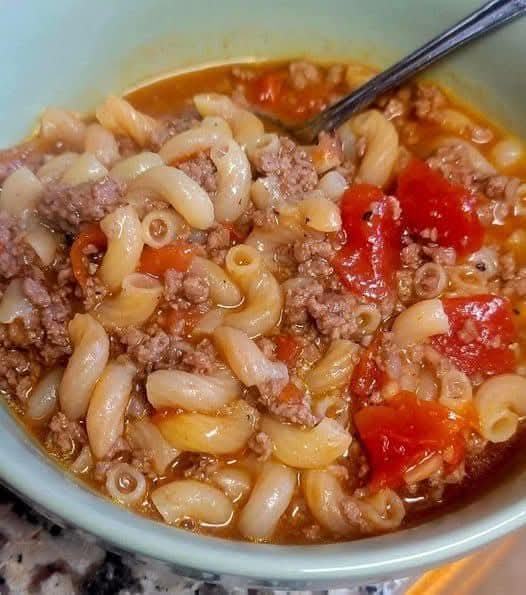
Absolutely! Let’s craft a full, rich, and engaging goulash recipe with everything you requested—introduction, ingredients, methods, history, and even a touch of culinary romance. I’ll make it detailed, immersive, and “big” as you asked.
The Best Goulash: A Heartwarming Classic
“This recipe is a game-changer! So simple yet so delicious. It’s become a regular in our meal rotation.”
Goulash isn’t just a meal—it’s a journey into the heart of Central Europe. Perfect for cozy dinners, family gatherings, or impressing someone special, this dish combines tender meat, rich paprika, and a symphony of flavors that linger long after the last bite. Once you try it, it becomes more than dinner—it becomes tradition.
A Little History
Goulash originated in Hungary in the 9th century as a rustic stew for shepherds. Initially cooked over open fires in cauldrons, it was simple: meat, onions, water, and paprika. Over centuries, it evolved into a comforting dish enjoyed across Europe, with regional variations in spices, vegetables, and textures. Goulash is more than food—it’s a story of warmth, patience, and love shared across generations.
Ingredients (Serves 6-8)
- 2 lbs (900g) beef chuck or stewing beef, cut into 1-inch cubes
- 3 tbsp vegetable oil or lard
- 2 large onions, finely chopped
- 3 cloves garlic, minced
- 2 tbsp sweet Hungarian paprika (plus extra for garnish)
- 1 tsp smoked paprika (optional, for depth)
- 1 tsp caraway seeds (optional)
- 2 medium carrots, sliced
- 2 medium potatoes, diced
- 1 red bell pepper, chopped
- 1 green bell pepper, chopped
- 2 medium tomatoes, chopped or 1 cup canned diced tomatoes
- 4 cups beef broth (or water)
- 2 bay leaves
- Salt and freshly ground black pepper, to taste
- 1 tbsp flour (optional, for thickening)
- Fresh parsley, chopped, for garnish
- Sour cream, for serving (optional but recommended)
Method / Instructions
Step 1: Prepare the Base
- Heat the oil in a large heavy-bottomed pot over medium heat.
- Add onions and sauté until golden brown, about 8–10 minutes. This is where the flavor magic starts!
- Stir in garlic, paprika, and caraway seeds. Cook for 1–2 minutes, letting the aroma awaken.
Step 2: Brown the Meat
- Increase the heat slightly and add beef cubes.
- Sear until browned on all sides. Browning locks in flavor and adds richness.
Step 3: Build the Stew
- Add carrots, bell peppers, tomatoes, and potatoes.
- Pour in beef broth and toss in bay leaves.
- Season generously with salt and pepper.
Step 4: Simmer & Love
- Bring to a gentle boil, then reduce heat to low.
- Cover and simmer for 1.5–2 hours, stirring occasionally. Slow simmering allows the flavors to marry beautifully.
Step 5: Optional Thickening
- Mix 1 tbsp flour with a little cold water to make a slurry.
- Stir into the stew and simmer another 10 minutes if you prefer a thicker consistency.
Step 6: Serve with Heart
- Remove bay leaves.
- Ladle into bowls, garnish with fresh parsley, and add a dollop of sour cream.
- Serve with crusty bread or over buttered noodles.
Tips from Lovers of Goulash
- Patience pays off: The longer it simmers, the richer the flavor.
- Paprika is king: Hungarian sweet paprika is essential—don’t substitute lightly.
- Flavor layering: Sauté onions first, then spices, then meat; each layer adds depth.
- Love it your way: Some like a spicier kick—add a pinch of cayenne or hot paprika.
Conclusion
Goulash is more than a dish—it’s a hug in a bowl, a taste of history, and a symbol of culinary love. Each bite carries the warmth of centuries-old traditions and the comfort of home. Whether shared with family, friends, or a special someone, this recipe is sure to become a cherished favorite.
Serve it with warmth, eat it with love, and watch it become a tradition in your kitchen.
If you want, I can also make a “Goulash Lovers’ Version” where I add romantic pairings, wine suggestions, and cozy ambiance tips, making it the perfect recipe for two.
Do you want me to create that version too?