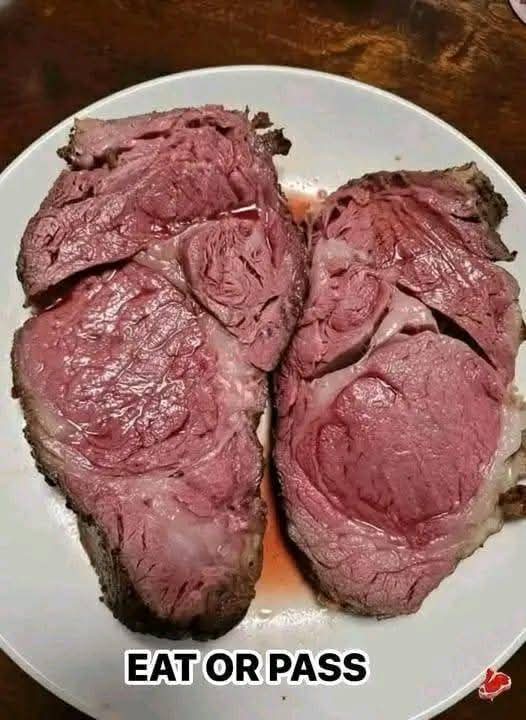
The Perfect Prime Rib Roast: A Crown Jewel of Celebration Cooking
Introduction
Prime rib roast, often called the “king of roasts,” is a centerpiece of holiday feasts and special occasion dining. This majestic cut—tender, well-marbled, and richly flavored—demands respect and a careful hand in the kitchen. Cooking prime rib perfectly is a culinary achievement that balances a crisp, seasoned crust with a juicy, rosy interior. This guide will walk you through the classic reverse-sear method for flawless results every time, along with the history, benefits, and love behind this legendary dish.
—
Ingredients
· Main Roast:
· 1 bone-in prime rib roast (standing rib roast), about 5–6 lbs (2-3 ribs, ideally from the loin end)
· 3 tbsp olive oil or high-heat avocado oil
· 1 tbsp coarse kosher salt (or 2 tsp fine sea salt)
· Herb & Garlic Crust (Optional but recommended):
· 4 cloves garlic, minced
· 2 tbsp fresh rosemary, finely chopped
· 1 tbsp fresh thyme leaves
· 1 tsp freshly ground black pepper
· For Serving:
· Horseradish sauce or creamy horseradish
· Au Jus (made from pan drippings, optional)
—
Historical Roots
The prime rib roast has its origins in English feasting traditions, where large joints of beef were roasted over open fires for gatherings. The term “prime” refers to the USDA grade of the beef (the highest grade, abundant with marbling), while “rib” denotes the cut from the primal rib section. It became a symbol of abundance and celebration in American cuisine, particularly for Christmas and New Year’s dinners, evolving from a hearth-cooked dish to a modern oven masterpiece.
—
Nutritional Profile (Per 4-oz cooked serving, approx.)
· Calories: ~330
· Protein: 25g
· Fat: 25g (with saturated fat ~10g)
· Iron: 15% DV
· Zinc: 40% DV
· Vitamin B12: 100% DV
· Note: Prime rib is an excellent source of high-quality protein, essential vitamins, and minerals, though it is rich in fats. Enjoy it as part of a balanced meal.
—
Benefits & Why We Love It
· Unmatched Flavor & Texture: The marbling (intramuscular fat) melts during cooking, self-basting the meat for incredible juiciness and a buttery, rich flavor.
· Special Occasion Centerpiece: It creates a sense of ceremony and generosity, making any meal feel like a celebration.
· Feeds a Crowd: Perfect for holiday gatherings with family and friends.
· Leftover Potential: Makes outstanding sandwiches, hash, or beef-based soups.
—
The “Reverse Sear” Method Explained
This method involves slowly roasting the meat at a low temperature first to achieve even doneness throughout, then finishing with a high-heat blast to create a delicious crust. It minimizes the gray “overcooked” outer layer and gives you maximum control.
—
Step-by-Step Instructions
1. Preparation (The Day Before or Morning Of):
· Remove the roast from the refrigerator. If it’s tied, leave the strings on to hold its shape.
· Pat it completely dry with paper towels. Moisture is the enemy of good browning.
· Rub the roast all over with olive oil. If using the herb-garlic crust, mix minced garlic, rosemary, thyme, and black pepper into a paste and rub it evenly over the entire surface.
· Generously coat the roast on all sides with kosher salt.
· Place the roast on a rack set over a baking sheet and leave it uncovered in the refrigerator for at least 4 hours, or ideally overnight. This dry-brines the meat, seasoning it deeply and drying the surface for a better crust.
2. Bringing to Temperature:
· Take the roast out of the fridge 2-3 hours before cooking. Letting it come closer to room temperature ensures more even cooking.
3. Slow Roast (The “Reverse” Part):
· Preheat your oven to 250°F (120°C).
· Place the roast bone-side down (the bones act as a natural rack) in a large roasting pan. Insert a reliable meat probe thermometer into the thickest part, avoiding bone or large fat pockets.
· Roast until the internal temperature is about 10-15°F below your desired final temperature. This is crucial!
· For medium-rare (final temp 130°F): Remove at 115-120°F.
· For medium (final temp 140°F): Remove at 125-130°F.
· This low-and-slow phase will take approximately 3 to 3.5 hours for a 5–6 lb roast. Trust the thermometer, not the clock.
4. The Rest & The Sear (The “Sear” Part):
· Once the target low temp is hit, remove the roast from the oven. Tent loosely with foil and let it rest for at least 30-45 minutes. The temperature will continue to rise slightly (carryover cooking), and the juices will redistribute.
· CRITICAL STEP: Before the final sear, increase your oven temperature to its highest setting, 500°F (260°C) or use the broiler. Ensure your roasting pan is clean of drippings to avoid smoke.
· When the oven is screaming hot, return the rested roast to the pan. Cook for 8-12 minutes, watching closely, until the exterior is beautifully browned and crisped.
5. Final Rest & Carving:
· Remove from oven. Let it rest again for 15-20 minutes before carving.
· To carve, slide a sharp knife along the bones to separate them from the meat. Set the bones aside (a cook’s treat!). Turn the boneless roast flat-side down and slice across the grain into desired thickness (¾ to 1-inch slices are classic).
—
Serving & The Prime Rib Lovers
Prime rib lovers are a devoted bunch. They appreciate tradition, the ritual of carving at the table, and the sublime simplicity of seasoned, high-quality beef. Serve with:
· Classic pairings: Creamy horseradish sauce, au jus, Yorkshire puddings, roasted garlic mashed potatoes, and a bold red wine like Cabernet Sauvignon.
· The joy is in sharing—this is a dish meant for communal enjoyment, evoking warmth and togetherness.
—
Conclusion
Mastering the perfect prime rib roast is a blend of science (temperature control) and art (seasoning and timing). The reverse-sear method is your most reliable path to glory: a dramatic, crusty exterior giving way to a uniformly pink, succulent interior. While it requires patience and attention, the reward is a show-stopping masterpiece that nourishes both the body and the soul of any gathering. It’s more than a meal; it’s a delicious tradition, a gesture of love, and the ultimate gift to the meat lovers at your table.