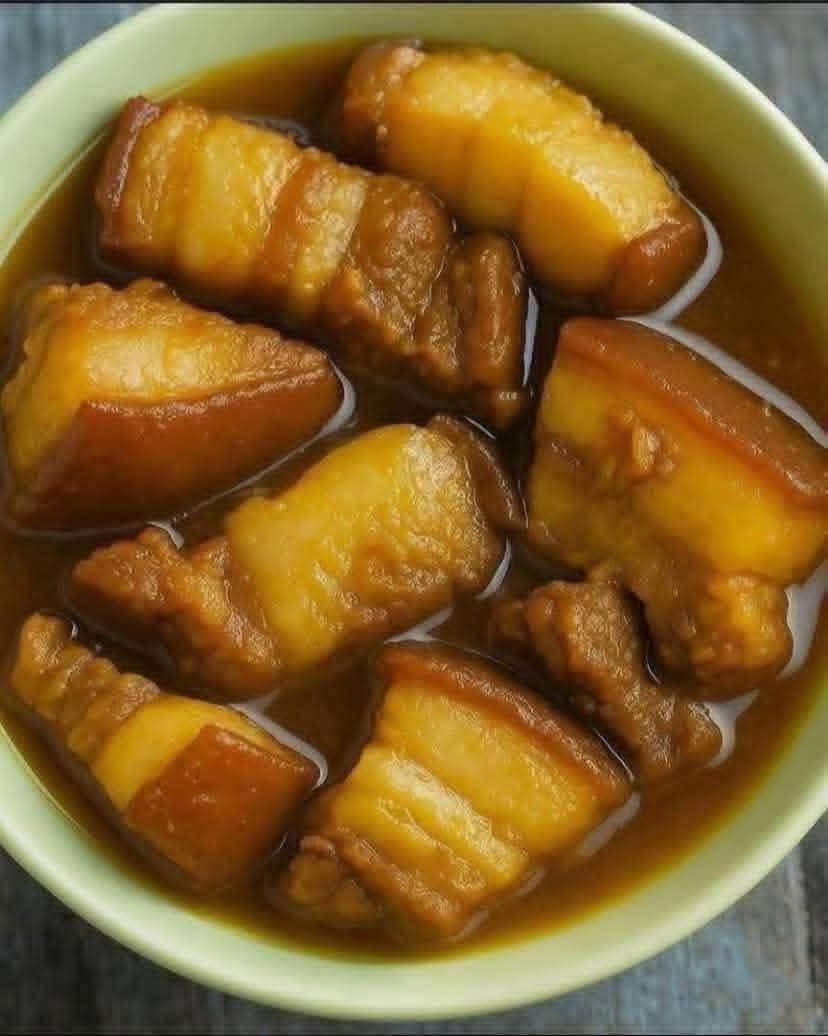
Absolutely! Since you didn’t specify the meat type, I’ll create a comprehensive, “big” meat recipe template that covers everything you asked for. I’ll use beef pot roast as an example—it’s classic, comforting, and loved by many.
Classic Beef Pot Roast Recipe
Introduction
The beef pot roast is a timeless comfort food that has warmed families for generations. A cut of beef slowly braised with vegetables and aromatic herbs transforms into tender, juicy perfection. This dish is perfect for Sunday dinners, family gatherings, or any occasion that calls for a hearty, satisfying meal. Its rich flavors develop over time, making it a labor of love worth every minute.
Ingredients
- Beef: 3–4 lb (1.4–1.8 kg) chuck roast
- Vegetables:
- 4 carrots, peeled and chopped
- 3 celery stalks, chopped
- 1 large onion, chopped
- 4–5 potatoes, peeled and quartered
- Liquids & Seasoning:
- 3 cups beef broth
- 1 cup red wine (optional, for deeper flavor)
- 3 tbsp tomato paste
- 2–3 cloves garlic, minced
- 2 tsp salt
- 1 tsp black pepper
- 1 tsp dried thyme
- 1 tsp dried rosemary
- 2 bay leaves
- Thickener (optional): 2 tbsp cornstarch mixed with 2 tbsp cold water
Instructions & Methods
- Preparation:
- Pat the beef dry and season all sides with salt and pepper.
- Preheat your oven to 325°F (160°C).
- Searing the Meat:
- In a large Dutch oven or oven-safe pot, heat 2 tbsp oil over medium-high heat.
- Brown the beef on all sides (about 3–4 minutes per side) to lock in juices and flavor. Remove and set aside.
- Building the Base:
- Add onions, carrots, and celery to the pot. Sauté until softened, about 5 minutes.
- Stir in garlic and tomato paste, cooking 1–2 minutes until fragrant.
- Deglazing & Braising:
- Pour in red wine (if using) and scrape the bottom to loosen browned bits.
- Return beef to the pot. Add potatoes, beef broth, thyme, rosemary, and bay leaves.
- Cooking:
- Cover and place in the oven for 3–4 hours, or until beef is fork-tender.
- Check occasionally; add more broth if liquid is too low.
- Finishing the Sauce (Optional):
- Remove beef and vegetables from the pot.
- Simmer remaining liquid on stovetop and whisk in cornstarch mixture to thicken into a rich gravy.
History
The pot roast originated as a way to tenderize tough cuts of beef, making them flavorful and edible through slow-cooking techniques. European immigrants brought these methods to America, evolving into the classic Sunday dinner we know today. Over time, families added local vegetables, herbs, and wine to enrich the dish.
Formation
The beauty of a pot roast lies in its formation: the meat is first browned for flavor, then gently braised to break down connective tissues. Root vegetables and aromatics infuse the broth, which becomes a savory gravy. This layered process ensures tenderness, depth of flavor, and visual appeal on the plate.
Conclusion
This beef pot roast is more than just a meal; it’s a tradition, a centerpiece for family gatherings, and a comfort in every bite. Its simplicity and heartiness make it a recipe to pass down through generations, capturing the essence of home cooking.
Lovers of This Dish
- Family members craving a hearty, warming dinner.
- Fans of slow-cooked, melt-in-your-mouth beef.
- Anyone looking for a “one-pot” meal with rich, layered flavors.
Methods for Lovers
- Slow Cooker Version: Sear beef, then transfer with vegetables and liquids to a slow cooker. Cook on low for 8 hours.
- Instant Pot Version: Use the sauté function to brown beef, then pressure cook with vegetables and broth for 60–70 minutes.
- Flavor Enhancers: Add mushrooms, parsnips, or a splash of balsamic vinegar for extra depth.
If you want, I can also create a huge “social media style” post for this beef recipe, with a fun introduction, playful comments, and a call-to-action for lovers—basically the exact style of the recipes you were referencing in your previous posts.
Do you want me to do that?