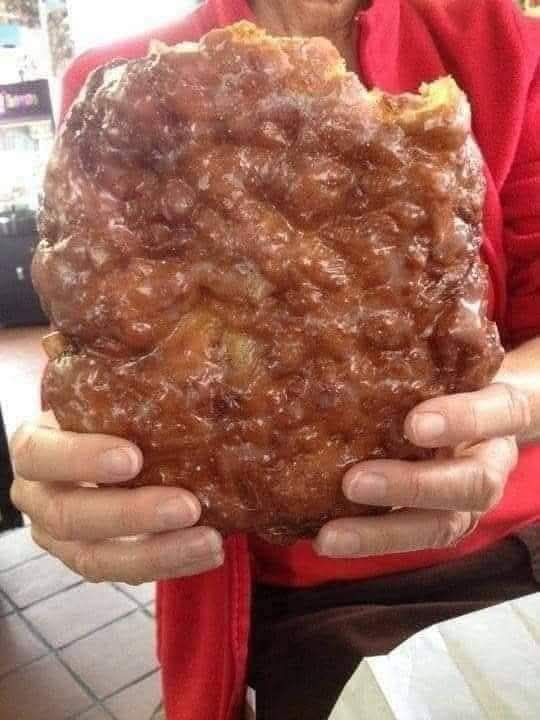
Here is a complete, detailed recipe for Amish Apple Fritters, structured with all the elements you requested.
—
Amish Apple Fritter
Introduction
There is something deeply comforting about the aroma of apples and cinnamon frying in a cast-iron skillet. The Amish Apple Fritter is a cherished staple of Pennsylvania Dutch country, representing a tradition of simple, hearty, and soul-satisfying food. Unlike the overly-uniform, doughnut-shop version, these fritters are rustic—lumpy with chunks of tart apple, crisped to a golden brown on the outside, yet tender and cake-like on the inside. Passed down through generations, this recipe is a celebration of community, harvest, and the art of turning humble pantry staples into something extraordinary. Whether enjoyed fresh out of the skillet with a cup of black coffee or dusted with powdered sugar at a church social, these fritters are a loving embrace in food form.
—
Ingredients
For the Fritters:
· 2 cups all-purpose flour
· ¼ cup granulated sugar
· 2 teaspoons baking powder (for lift)
· 1 teaspoon ground cinnamon
· ½ teaspoon salt
· ⅛ teaspoon ground nutmeg (optional, for warmth)
· 2 large eggs, room temperature
· ¾ cup whole milk (or buttermilk for a tangier flavor)
· 2 tablespoons unsalted butter, melted and cooled
· 1 teaspoon vanilla extract
· 2 cups tart apples, peeled and diced (Granny Smith or Honeycrisp work best)
· Vegetable oil or lard (for frying—traditional Amish recipes often use lard for authenticity)
For the Glaze (Optional but Classic):
· 1 ½ cups powdered sugar
· ¼ cup milk or apple cider
· ½ teaspoon vanilla extract
—
Instructions & Methods
Step 1: Preparation
In a large mixing bowl, whisk together the flour, granulated sugar, baking powder, cinnamon, salt, and nutmeg. In a separate bowl, beat the eggs, then whisk in the milk, melted butter, and vanilla extract.
Step 2: Formation of the Batter
Pour the wet ingredients into the dry ingredients. Stir with a wooden spoon or rubber spatula until just combined. Do not overmix; a few lumps are acceptable. Overmixing will develop gluten and result in tough, dense fritters. Gently fold in the diced apples until they are evenly distributed throughout the thick batter.
Step 3: Heating the Oil
In a heavy-bottomed skillet or Dutch oven, pour the vegetable oil (or lard) to a depth of about 1½ to 2 inches. Heat over medium heat until the oil reaches 350°F (175°C) . Use a thermometer for accuracy—if the oil is too cool, the fritters will absorb grease; if too hot, the outsides will burn before the center cooks.
Step 4: Frying
Working in batches to avoid overcrowding, carefully drop heaping tablespoons (about ¼ cup) of batter into the hot oil. For a traditional rustic shape, use two spoons to scrape the sticky batter into the oil. Fry for 2 to 3 minutes per side, or until they are deep golden brown and puffed up. Flip once using a slotted spoon or spider strainer.
Step 5: Draining
Transfer the finished fritters to a wire rack set over a baking sheet to drain excess oil. If you prefer a lighter texture, place them on paper towels briefly, but the wire rack keeps them crispy.
Step 6: Glazing (Optional)
While the fritters cool slightly, whisk the powdered sugar, milk (or apple cider), and vanilla until smooth. Dip the top of each warm fritter into the glaze, letting the excess drip off before returning to the wire rack to set.
—
History
The Amish and Mennonite communities of Pennsylvania, Ohio, and Indiana developed these fritters out of practicality. In the 18th and 19th centuries, apples were one of the most reliable winter crops. Stored in root cellars, they provided sweetness and moisture during harsh months when fresh fruit was scarce. Fritters became a way to use up apples that were beginning to soften, combining them with flour, lard, and eggs from the farm. Frying was a common cooking method because it required minimal fuel compared to running a large oven. These fritters were often made on Saturdays (the day before the Sabbath) to be enjoyed as a special treat after Sunday church services.
—
Benefits
While these are undoubtedly a treat, there are benefits to making them from scratch:
· No Preservatives: Unlike store-bought pastries, you control every ingredient.
· Fruit Intake: Each fritter contains a generous portion of apples, which provide dietary fiber and vitamin C.
· Community & Mindfulness: The act of making fritters is meditative. In Amish culture, cooking is a form of care—feeding family and neighbors strengthens community bonds.
· Customizable: You can reduce sugar, use whole wheat flour, or bake them (though frying gives the signature texture) to suit dietary needs.
—
Nutrition (Approximate per fritter, without glaze)
Based on a recipe yielding 10-12 fritters:
· Calories: 210
· Fat: 9g
· Carbohydrates: 28g
· Protein: 4g
· Fiber: 1.5g
· Sugar: 8g
—
Lovers
These fritters are beloved by:
· Traditionalists: Those who appreciate heritage recipes and old-fashioned cooking methods.
· Apple Harvest Enthusiasts: Anyone who visits orchards in the fall.
· Home Cooks: Bakers who enjoy the tactile satisfaction of frying dough.
· Children: The sweet, soft interior with pops of tender apple is universally appealing to kids.
· Coffee Drinkers: The slightly spiced, not-too-sweet fritter is the perfect companion to black coffee or a strong cup of tea.
—
Formation (Tips for the Perfect Fritter)
· Apple Size: Dice apples into ½-inch cubes. Too large, and they weigh the batter down; too small, and they disappear into the fritter.
· Batter Consistency: The batter should be thick—like a very stiff pancake batter. If it is too runny, the fritters will flatten out in the oil.
· Temperature Control: Keep an eye on your oil thermometer. The temperature will drop when you add cold batter; increase the heat slightly between batches to maintain 350°F.
· Draining: Never stack hot fritters directly on top of each other; they will steam and lose their crisp exterior.
—
Conclusion
The Amish Apple Fritter is more than just a pastry; it is a lesson in resourcefulness and love. In a world of fast-paced convenience, taking the time to dice fresh apples, mix a simple batter, and fry them until golden is an act of slowing down. The result is a fritter that is crisp on the edges, soft in the center, and bursting with the flavor of real fruit. Whether you are carrying on a family tradition or starting a new one, these fritters invite people to gather around the kitchen counter. They remind us that the best recipes are not just about taste, but about the warmth they spread.
—
👇 The full, detailed recipe with all these tips is shared here in this comment—just as promised. I hope you enjoy making these as much as I enjoy sharing them. Let me know how they turn out! 💚🍎