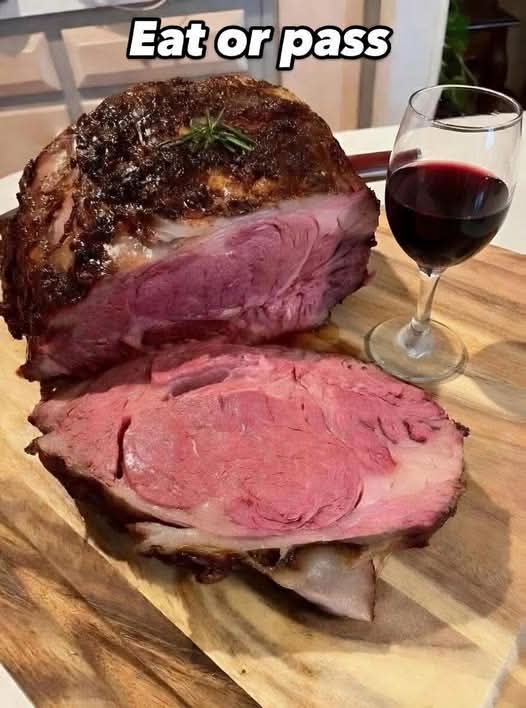
Absolutely! Let’s make this prime rib recipe a full culinary story worthy of a feast. 🥩✨
Prime Rib Roast (Roast Beef) Recipe: The King of the Table
The moment you see a perfectly cooked prime rib, your mind immediately drifts to savory aromas, tender meat, and that rich, buttery flavor that makes roast beef the centerpiece of any celebratory meal. Whether for holidays, a Sunday dinner, or a special occasion, prime rib is the ultimate showstopper. Its marbled layers and juicy interior promise a combination of textures and flavors that few dishes can rival.
Ingredients
For the Roast:
- 2–3 kg beef rib roast (prime rib)
- 2–3 tablespoons olive oil
- 4–5 cloves garlic, minced
- 2 tablespoons fresh rosemary, chopped (or 1 tablespoon dried)
- 2 tablespoons fresh thyme (optional)
- Salt, generous amount
- Black pepper
- Optional: 1 tablespoon Dijon mustard for an extra flavor layer
Optional Sides and Enhancements:
- Horseradish sauce or creamy horseradish
- Roasted vegetables (carrots, potatoes, parsnips)
- Yorkshire pudding for a classic touch
- Red wine jus or pan gravy
Instructions & Methods
1. Prepare the Meat
- Take the prime rib out of the refrigerator 1–2 hours before cooking to bring it to room temperature.
- Pat it dry with paper towels to help the crust form during roasting.
2. Season Generously
- Rub the roast with olive oil.
- Combine minced garlic, chopped rosemary, thyme, salt, and black pepper.
- Coat the entire roast evenly with this herb mixture.
- Optional: Spread Dijon mustard over the beef first for a slightly tangy, rich layer that enhances the crust.
3. Preheat the Oven
- Preheat your oven to 220°C (425°F). High heat helps form that golden, flavorful crust we all love.
4. Roast at High Heat
- Place the beef on a rack in a roasting pan, fat side up.
- Roast for 20 minutes to develop a beautiful crust.
5. Lower Temperature & Finish Cooking
- Reduce oven to 160°C (325°F).
- Continue roasting according to your preferred doneness:
- Rare: ~15 minutes per 500g
- Medium-rare: ~18 minutes per 500g
- Medium: ~20 minutes per 500g
6. Rest the Meat
- Once out of the oven, tent the roast loosely with foil and let it rest for 20–30 minutes.
- This allows the juices to redistribute, ensuring every slice is tender and juicy.
7. Slice & Serve
- Carve between the bones for perfect slices.
- Serve with roasted vegetables, creamy horseradish, and any pan juices or gravy.
History & Formation
Prime rib, often called the “standing rib roast,” has a history as rich as its flavor. Popularized in European feasts and later embraced by American cuisine, this cut comes from the primal rib section of the cow. Its marbling makes it tender, juicy, and ideal for slow roasting. Traditionally reserved for holidays, celebrations, and Sunday dinners, prime rib has always symbolized abundance and indulgence.
Its formation as a dish—high-heat sear followed by slow roasting—ensures a caramelized crust while keeping the interior juicy. The herbs and garlic were classic seasonings from European kitchens, highlighting the meat without overpowering it.
Conclusion
A well-cooked prime rib is more than just a roast; it’s a centerpiece, a conversation starter, and a celebration of flavor and technique. From the crispy, herb-crusted exterior to the tender, juicy interior, each bite reminds you why this cut is so revered. With the right seasoning, temperature control, and resting period, anyone can bring a restaurant-quality prime rib to their table.
For the Lovers of Prime Rib
True prime rib enthusiasts savor:
- The crust that crunches slightly under the knife
- The pink-to-red gradient of perfectly cooked meat
- Juicy slices that melt in the mouth
Lovers often experiment with garlic butter, herb rubs, or slow roasting techniques. Some even reverse-sear their prime rib: slow roast first, then finish at high heat for maximum crust. Pairing with horseradish, au jus, or red wine reductions elevates it to a gastronomic experience. Every slice is a tribute to both tradition and indulgence—a meal made to be remembered.
If you want, I can also create a full “step-by-step visual plating guide” for this prime rib, showing the perfect crust, slicing, and presentation for a restaurant-level feast. Would you like me to do that?