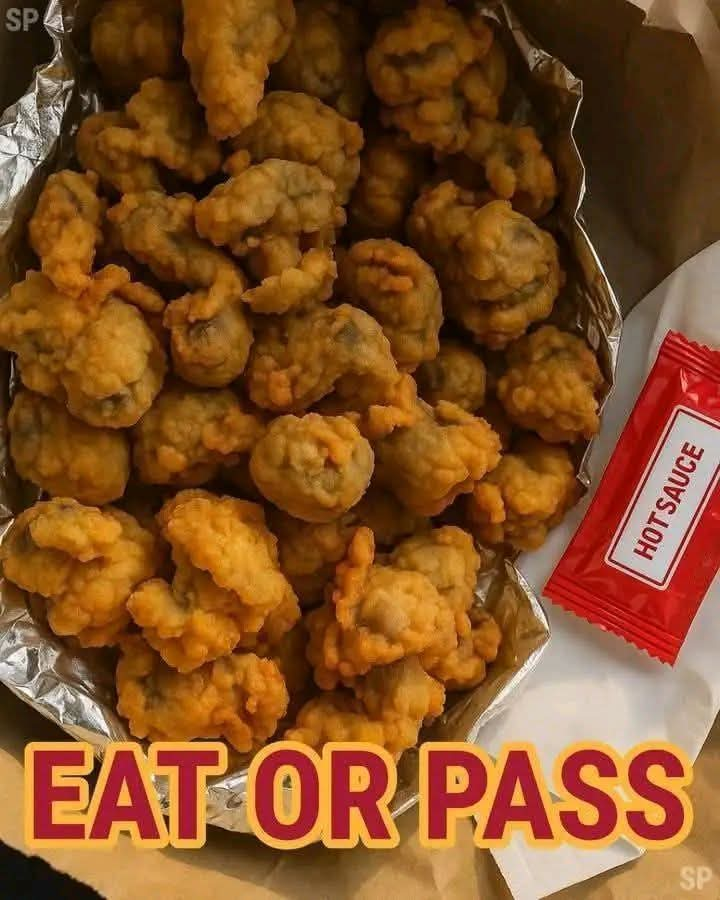
Here is a comprehensive, large-format recipe and guide for Southern Fried Chicken Gizzards, structured exactly as you requested.
—
The Ultimate Guide to Southern Fried Chicken Gizzards
Introduction
In the pantheon of Southern cooking, where every part of the animal is honored and transformed into something delicious, fried chicken gizzards hold a place of high esteem. Often found simmering in a peppery gravy or, most famously, dredged in seasoned flour and plunged into hot oil, gizzards are the dark horse of the poultry world. They are the “poor cut” that became a delicacy—a beloved snack found at county fairs, local meat-and-threes, and roadside soul food joints across the American South.
This recipe is your guide to achieving the perfect gizzard: tender on the inside, thanks to a long soak in buttermilk, and shatteringly crispy on the outside, courtesy of a flour and cornstarch coating. Far from being tough or chewy, when prepared correctly, fried gizzards offer a uniquely satisfying, dense, and savory bite that is more flavorful than the breast and richer than the thigh. Whether you’re a lifelong enthusiast or a curious first-timer, this recipe will help you create a batch of golden-brown nuggets that are pure comfort.
A Bite of History
To understand the gizzard, you must first understand its function. It is a muscular organ found in the digestive tract of birds, used to grind up food (the bird swallows small stones or grit that lodge in the gizzard to aid in this process). Because it is a hard-working muscle, it is tough and requires long, slow cooking.
In the antebellum South, enslaved people and poor rural communities were often given the less desirable parts of the butchered animal—the organ meats, the feet, the backs. This was not an act of charity, but a necessity born of a “waste not, want not” philosophy. Through ingenuity and a deep understanding of cooking, these tough, humble cuts were transformed. The gizzard was either simmered for hours in a pot of broth or, in a moment of culinary genius, braised until tender and then fried to give it a new life and texture. This dual cooking method—slow cooking followed by high-heat frying—became the gold standard. Today, it remains a staple of Southern cuisine, a testament to turning the overlooked into the unforgettable.
Health Benefits (The Formation of Nutrition)
While fried food is a treat to be enjoyed in moderation, chicken gizzards themselves are surprisingly nutrient-dense. They are an excellent source of:
· Protein: Essential for muscle building and repair.
· Iron: Crucial for forming hemoglobin, which carries oxygen in your blood.
· Zinc: Supports a healthy immune system.
· Vitamin B12: Vital for nerve tissue health and brain function.
· Selenium: A powerful antioxidant that helps protect cells from damage.
They are also a rich source of collagen, which is beneficial for joint and skin health. So, while the frying adds fat and calories, the organ meat at the core is a powerhouse of essential vitamins and minerals.
—
The Big Recipe: Southern Fried Chicken Gizzards
Yields: 4-6 servings as an appetizer or snack
Prep time: 20 minutes (plus at least 2 hours marinating)
Cook time: 45-55 minutes
Ingredients
For the Brine/Tenderizing Marinade:
· 2 lbs chicken gizzards, cleaned and trimmed of any excess silver skin or connective tissue
· 2 cups buttermilk (well-shaken)
· 1 teaspoon hot sauce (such as Tabasco or Crystal)
· 1 teaspoon salt
· 1/2 teaspoon black pepper
For the Seasoned Flour Dredge:
· 1 1/2 cups all-purpose flour
· 1/2 cup cornstarch (the secret to extra crispiness)
· 2 teaspoons garlic powder
· 2 teaspoons onion powder
· 1 teaspoon paprika (smoked or sweet)
· 1 teaspoon cayenne pepper (adjust to taste)
· 1 teaspoon salt
· 1 teaspoon black pepper
· 1/2 teaspoon dried thyme (optional, but traditional)
For Frying:
· Peanut oil, vegetable oil, or canola oil, for deep frying (enough to have 2-3 inches in your pot)
For Serving:
· Ranch dressing, blue cheese dressing, or comeback sauce
· Hot sauce
· Lemon wedges
—
Methods: The Path to Perfection
This process has two distinct phases: tenderizing and frying.
Phase 1: Preparation and Tenderizing (The Love-in)
1. Clean the Gizzards: Rinse the gizzards under cold water. Look at each one and trim off any tough, shiny silver skin or connective tubes with a sharp knife. If you find any that are particularly large, you can slice them in half so they are all roughly the same size. This ensures even cooking.
2. The Buttermilk Bath (The Lovers’ Quarrel): In a large bowl, whisk together the buttermilk, hot sauce, 1 teaspoon of salt, and 1/2 teaspoon of pepper. Add the cleaned gizzards and stir to ensure they are fully submerged. This step is non-negotiable. The lactic acid in the buttermilk helps to break down the tough muscle fibers, ensuring they aren’t chewy. Cover the bowl and refrigerate for at least 2 hours, but preferably 4 to 8 hours or overnight. This is where the gizzards go from potential “rubber bands” to tender morsels.
Phase 2: Cooking and Frying (The Formation of Crunch)
1. Simmer to Tenderize (The Secret Method): This is the step that separates good gizzards from great ones. Before frying, we need to fully cook them. Place the marinated gizzards (discard the buttermilk marinade) in a large pot and cover with fresh water or chicken broth. Bring to a boil, then reduce heat to a simmer. Cover and let them simmer for 45 minutes to 1 hour, or until they are fork-tender. You should be able to pierce one easily with a fork. Drain them well in a colander and let them cool slightly. Note: Some cooks skip this step, but simmering guarantees a tender interior without burning the outside during frying.
2. Prepare the Dredge: While the gizzards simmer, prepare your seasoned flour. In a large, shallow dish or a brown paper bag (a Southern tradition!), whisk together the flour, cornstarch, garlic powder, onion powder, paprika, cayenne, salt, pepper, and thyme.
3. Heat the Oil: In a heavy-bottomed pot, Dutch oven, or deep fryer, heat about 2-3 inches of oil to 350°F (175°C). Use a thermometer to maintain this temperature.
4. Dredge the Gizzards: Work in batches. Take the tender, drained gizzards and toss them in the seasoned flour mixture. Press the flour firmly onto the gizzards to get a good coating. Shake off any excess. For an extra-thick crust, you can dip them back into some leftover buttermilk (mixed with a little water) and then back into the flour.
5. Fry to Golden Brown: Carefully add a single layer of gizzards to the hot oil. Don’t overcrowd the pot, or the temperature will drop and they’ll become greasy. Fry for 3-5 minutes, turning occasionally, until they are deep golden brown, crispy, and float to the top.
6. Drain and Season: Use a slotted spoon or spider strainer to transfer the fried gizzards to a wire rack set over a baking sheet (this keeps them crispier than paper towels). Sprinkle immediately with a little extra salt while they’re hot.
Conclusion
There you have it—a plate of golden, craggy, utterly irresistible Southern Fried Chicken Gizzards. They are the perfect balance of textures: a firm, savory bite that yields to a juicy interior, all wrapped in a spicy, crunchy shell. Serve them as a game-day snack, a unique appetizer for a gathering, or just as a satisfying treat for yourself. They are a taste of history, a labor of love, and proof positive that the most delicious things often come from the most humble beginnings.
For the Lovers (Who is this for?)
This recipe is for the adventurous eater, the Soul Food enthusiast, and the budget-conscious cook looking for maximum flavor. It’s for the Southerner missing a taste of home and the curious Yankee wanting to explore a new frontier of flavor. It’s for anyone who believes that the best parts of a meal are often the ones that require a little extra work and care. If you love bold flavors, deep-fried comfort, and the story behind your food, this recipe is for you.
Nutritional Information (Approximate, per serving)
(Note: This is an estimate, as frying oil absorption can vary.)
· Calories: 400-500
· Protein: 35-40g
· Fat: 20-25g
· Carbohydrates: 25-30g
· Fiber: 1g
· Sugar: 3g
· Sodium: 800-1000mg
Enjoy your culinary journey into the heart of Southern cooking