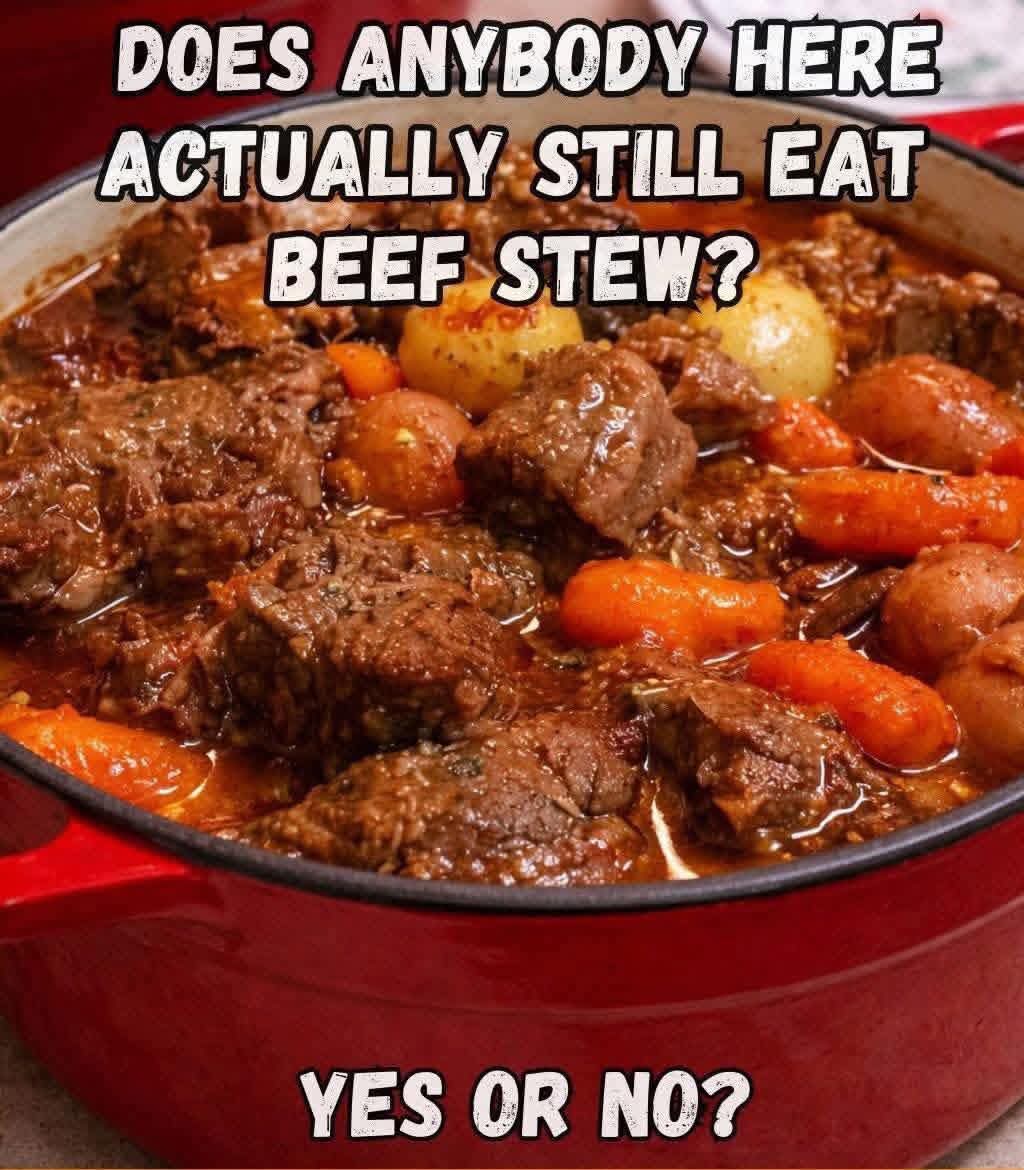
Here is a big, beautiful, and comprehensive recipe and guide for that comforting bowl of old-fashioned beef stew, just like Grandma used to make.
—
The Heartwarming Bowl: Old-Fashioned Beef Stew
Is there any meal more comforting than a bowl of old-fashioned beef stew? The answer is a resounding YES, I would absolutely eat it! It’s more than just a meal; it’s a hug in a bowl, a taste of nostalgia, and a celebration of simple, wholesome ingredients transformed by time and patience.
This recipe is for a classic, no-fuss beef stew that has been passed down through generations. It’s the kind of meal that fills your home with an irresistible aroma, signaling to everyone inside that something wonderful is simmering on the stove. Get ready to create a pot of pure, unadulterated comfort.
—
A Bite of History: The Humble Stew
Stew is one of the world’s oldest and most universal dishes. The concept is simple: tough cuts of meat are slowly cooked in a liquid with vegetables and aromatics until meltingly tender. This method dates back to ancient times when cooking was done over an open fire in a single pot. Every culture has its own version, from the French pot-au-feu to the Irish stew, the Hungarian goulash, and the American beef stew. This recipe is a classic American interpretation, a staple of home cooking that became particularly popular during the 20th century as a reliable, affordable way to feed a family. It’s a dish born of necessity, perfected by love, and cherished for its deep, soul-satisfying flavor.
—
The Benefits of a Bowl of Stew
This isn’t just delicious; it’s a powerhouse of goodness:
· High-Quality Protein: The beef provides essential amino acids for muscle repair and overall health.
· Nutrient-Rich Vegetables: Carrots and potatoes are excellent sources of vitamins (like Vitamin A from carrots), fiber, and potassium. Onions and garlic add their own immune-boosting properties.
· Hydrating and Satisfying: The rich, savory broth is incredibly hydrating and the combination of protein and fiber makes for a meal that keeps you full and satisfied for hours.
· Comfort for the Soul: The warmth and rich flavor have a genuine, positive effect on mood, reducing stress and promoting a feeling of well-being. It’s the ultimate comfort food.
—
The Lovers of the Stew
This stew is for everyone.
· It’s for the traditionalist, who craves the familiar, deep flavors of a classic family recipe.
· It’s for the busy home cook, who wants a meal that, while requiring time, is mostly hands-off and forgiving.
· It’s for the family, looking to gather around the table for a nourishing and connecting meal.
· It’s for the soul-seeker, needing a moment of pure, uncomplicated comfort on a chilly day.
· It’s for you, ready to create a little bit of magic in your own kitchen.
—
The Formation: Building Flavor, Layer by Layer
The secret to an exceptional stew is building layers of flavor. It’s a simple formation process:
1. The Sear: Browning the beef creates a deep, meaty foundation through the Maillard reaction.
2. The Sauté: Cooking the aromatics (onions, garlic) in the beef drippings releases their flavor into the base of the stew.
3. The Deglaze: Adding a liquid like wine or broth and scraping up the browned bits from the bottom of the pan—these bits are pure flavor.
4. The Slow Simmer: The long, gentle cooking time allows the collagen in the beef to break down into gelatin, making it impossibly tender and thickening the broth. It also allows all the separate ingredients to meld into a harmonious whole.
—
The Grand Recipe
Introduction
This is the beef stew my Grandma made on cold, rainy Sundays. The one that meant the family would soon be gathered around her small kitchen table, laughing and dipping crusty bread into the rich, savory broth. It’s simple, honest, and perfect. The beef is seared until a deep brown crust forms, then it’s slowly coaxed into tenderness in a broth infused with herbs and the natural sweetness of carrots and onions. The potatoes are added at just the right time so they become soft and creamy without falling apart. This isn’t just a recipe; it’s a memory in the making.
Ingredients
· For the Beef:
· 2 lbs (900g) beef chuck roast, cut into 1.5-inch cubes
· 1 tsp salt
· 1/2 tsp black pepper
· 2 tbsp olive oil, divided
· For the Stew Base:
· 1 large yellow onion, chopped
· 3 cloves garlic, minced
· 2 tbsp tomato paste
· 1/2 cup dry red wine (like Merlot or Cabernet Sauvignon, or use extra beef broth)
· 4 cups beef broth, preferably low-sodium
· 1 tbsp Worcestershire sauce
· 2 sprigs fresh thyme
· 1 sprig fresh rosemary
· 2 bay leaves
· The Vegetables:
· 4 large carrots, peeled and cut into 1-inch chunks
· 1.5 lbs (680g) Yukon Gold or Russet potatoes, peeled and cut into 1.5-inch chunks
· 1 cup frozen peas (optional, added at the end)
· For Thickening (Optional, for a thicker gravy):
· 2 tbsp all-purpose flour
· 2 tbsp butter, softened
Instructions & Method
1. Prepare the Beef: Pat the beef cubes completely dry with paper towels. This is crucial for a good sear. Season them generously with the salt and pepper.
2. Sear the Beef: Heat 1 tablespoon of olive oil in a large, heavy-bottomed pot or Dutch oven over medium-high heat. Once the oil is shimmering, add the beef in a single layer, making sure not to overcrowd the pot (work in batches if necessary). Let the beef brown deeply on all sides, about 2-3 minutes per side. Transfer the browned beef to a plate and set aside.
3. Sauté the Aromatics: Reduce the heat to medium. Add the remaining 1 tablespoon of olive oil to the pot. Add the chopped onion and cook, stirring occasionally, until softened and translucent, about 5 minutes. Add the minced garlic and cook for another minute until fragrant.
4. Bloom the Tomato Paste: Stir in the tomato paste and cook for 1-2 minutes, until it darkens slightly and coats the onions. This removes its raw, acidic taste.
5. Deglaze the Pot: Pour in the red wine, scraping the bottom of the pot with a wooden spoon to lift up all those delicious browned bits (the “fond”). Let the wine simmer and reduce by half, about 2-3 minutes.
6. Return the Beef and Simmer: Return the browned beef and any accumulated juices to the pot. Add the beef broth, Worcestershire sauce, thyme sprigs, rosemary sprig, and bay leaves. Bring to a boil, then immediately reduce the heat to low. Cover and let it simmer gently for 1.5 hours. The key is a low, slow simmer—barely a bubble.
7. Add the Hearty Vegetables: After 1.5 hours, add the carrot chunks and potato chunks to the pot. Stir to combine. Return to a gentle simmer, cover, and cook for another 45 minutes to 1 hour, or until the beef is fork-tender and the vegetables are soft.
8. Optional Thickening (Mantecatura Style): If you desire a thicker stew, remove the thyme, rosemary, and bay leaves. In a small bowl, mash the softened butter and flour together into a smooth paste (this is called a beurre manié). Stir this paste into the hot stew. Let it simmer for another 5-10 minutes, uncovered, until the broth has thickened slightly.
9. Final Touch: If using, stir in the frozen peas during the last 5 minutes of cooking. They just need to warm through. Taste and adjust seasoning with additional salt and pepper if needed.
10. Rest and Serve: Remove the pot from the heat and let it rest for about 10-15 minutes before serving. This allows the flavors to settle even further. Serve hot in deep bowls with a side of crusty bread for sopping up every last drop of the glorious gravy.
—
Conclusion
This old-fashioned beef stew is a testament to the power of simple cooking. With quality ingredients, a little patience, and a whole lot of love, you can create a meal that is far greater than the sum of its parts. It’s a dish that warms you from the inside out, connects you to the past, and creates new, delicious memories for the future. So go on, give it a try. Your home will smell amazing, and your heart (and stomach) will be full.