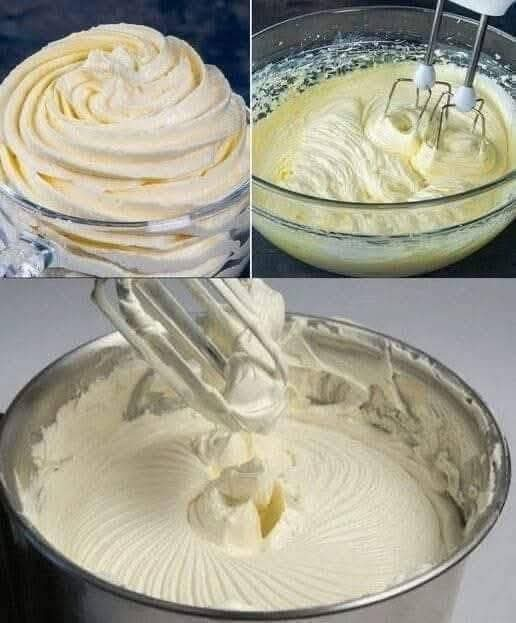
Here is a big, detailed recipe for Pastry Cream, structured exactly as you requested, with all the sections.
—
The Quintessential Pastry Crea: A Patissier’s Secret
Introduction
Pastry cream, or crème pâtissière, is the silent workhorse of the dessert world. It is a rich, smooth, and velvety custard that serves as the foundation for countless classic desserts. From filling delicate éclairs and profiteroles to layering in a decadent fruit tart or a classic Napoleon cake, this cream is the soul of the patisserie. While it appears simple, the secret to a perfect pastry cream lies in the technique—transforming humble ingredients of milk, sugar, eggs, and starch into a luxurious and stable cream. This recipe reveals the secrets to achieving a lump-free, perfectly thick, and intensely flavorful pastry cream that will elevate all your baking endeavors.
A Bite of History
The history of pastry cream is intertwined with the evolution of custards in European cuisine. While custards date back to the Roman Empire, where they were used in savory dishes, the sweet version we know today began to take shape in the medieval kitchens of France and England. The key innovation was the use of starch, like flour or cornstarch, as a stabilizer. Before starch, custards were simply eggs and milk, which could curdle easily and wouldn’t hold their shape. The introduction of starch in the 19th century, popularized by chefs like Marie-Antoine Carême, allowed for a thicker, more stable cream that could be used as a structural element in elaborate desserts, giving birth to the modern era of patisserie.
The Art of Formation: Science in the Saucepan
The magic of pastry cream is a beautiful example of culinary science.
· Thickening (Gelatinization): Cornstarch granules are made of starch molecules packed tightly together. When mixed with cold liquid, they form a slurry. As this mixture is heated, the granules absorb the liquid and swell. Around 203°F (95°C), they burst, releasing their starch molecules, which then bond with the water, creating a thick, translucent gel. This is what gives the cream its body.
· Richness (Emulsification): The egg yolks are a powerhouse of flavor and richness, thanks to their fat content and natural emulsifiers (lecithin). As you whisk the hot milk into the yolks and then return the mixture to the heat, the fat from the yolks is evenly dispersed throughout the starch network, creating a luxuriously smooth and creamy emulsion.
· Stability: The combination of the starch gel and the egg protein coagulation creates a dual structure that is both thick and stable, yet still soft and spoonable, making it perfect for piping and layering.
Health Benefits & Nutrition
While pastry cream is a dessert and should be enjoyed in moderation, it does offer some nutritional components:
· Calcium: The milk base provides a good source of calcium, which is essential for strong bones and teeth.
· Protein: Both milk and egg yolks contribute high-quality protein, which is vital for muscle building and repair.
· Energy: The carbohydrates from the sugar and starch provide a quick source of energy.
· Vitamins: Egg yolks are rich in fat-soluble vitamins like Vitamin A, D, and E, as well as B vitamins like B12 and folate.
· Mindful Indulgence: The key is balance. Using high-quality ingredients allows you to savor a smaller portion of a truly delicious, homemade dessert, avoiding the preservatives and additives often found in commercial versions.
Nutritional Information (Approximate per 1/8 of recipe):
· Calories: 220-260
· Fat: 10-14g
· Carbohydrates: 24-28g
· Protein: 7-9g
· Calcium: 15-20% RDI
—
The “Secret Recipe”
Ingredients
· 1 liter (4 cups) of whole milk: The foundation. Whole milk provides the best flavor and richest texture.
· 1 cup (200g) granulated sugar: For sweetness and to help tenderize the egg yolks.
· 5 tablespoons (40g) cornstarch: The essential thickener. For a gluten-free and lump-free result, cornstarch is preferred over flour.
· 4 large egg yolks: Provide richness, color, and flavor.
· 2 teaspoons vanilla bean paste or 1 vanilla bean, split and scraped: The soul of the cream. Vanilla bean paste offers an intense flavor with beautiful specks. You can also use 1 tablespoon of good quality vanilla extract, added at the end.
· 2 tablespoons (30g) unsalted butter, cubed: Adds extra shine, richness, and a smooth mouthfeel.
Equipment
· Medium-sized, heavy-bottomed saucepan
· Large mixing bowl
· Whisk
· Fine-mesh sieve
· Rubber spatula
· Plastic wrap
—
Instructions: The Method to Perfection
1. Infuse the Milk: In a medium, heavy-bottomed saucepan, combine the milk and half of the sugar (1/2 cup / 100g). If using a vanilla bean, split it lengthwise, scrape the seeds into the milk, and add the pod as well. Heat over medium heat until it just begins to simmer (small bubbles around the edge). Do not let it boil. Once simmering, remove from heat, cover, and let it steep for 15-30 minutes to infuse the vanilla flavor. (If using vanilla paste, add it now).
2. Temper the Egg Yolks: In a large mixing bowl, whisk the egg yolks with the remaining half of the sugar (1/2 cup / 100g) until the mixture is pale and thickens slightly, about 1-2 minutes. This step dissolves the sugar and prevents the yolks from cooking unevenly later. Sift the cornstarch over the yolk mixture and whisk until smooth and no lumps remain.
3. Tempering (The Crucial Step): Slowly and gradually, whisk about half of the hot milk into the yolk mixture. This is called tempering. It slowly raises the temperature of the eggs, preventing them from scrambling when added to the main pot. Pour the tempered yolk mixture back into the saucepan with the remaining milk, whisking constantly.
4. Cook the Cream: Place the saucepan back over medium heat. Switch to a whisk and whisk continuously and vigorously. This is non-negotiable. The mixture will be very liquid at first. After 2-5 minutes, it will begin to thicken and bubble. Keep whisking! You will feel it become heavy and smooth. Once it has thickened and you see a few large, lazy bubbles “plopping” to the surface, continue to cook for exactly 1 more minute. This cooks out the starchy taste. The cream should be thick enough to hold the marks of the whisk.
5. Finish and Strain: Remove the saucepan from the heat. If you used a vanilla bean pod, fish it out now (rinse and save it for making vanilla sugar!). Whisk in the cubed butter and vanilla extract (if using) until the butter is fully melted and incorporated.
6. The Final Touch for Smoothness: Immediately pass the pastry cream through a fine-mesh sieve set over a clean bowl. This ensures a perfectly smooth, lump-free cream.
7. Prevent a Skin: To prevent a thick skin from forming on the surface, place a piece of plastic wrap directly onto the surface of the hot pastry cream, touching it completely. This “burping” method seals in the steam and guarantees a skin-free cream.
8. Chill: Let it cool slightly at room temperature, then refrigerate for at least 2-3 hours, or until completely cold. The cream will continue to set as it chills. Once cold, it’s ready to use.
For the Lovers (of Dessert)
For those who truly love dessert, pastry cream is a blank canvas. Once you’ve mastered the base recipe, you can transform it into countless variations:
· Chocolate Pastry Cream: Whisk 4 oz (115g) of finely chopped dark chocolate into the hot, strained cream until smooth.
· Coffee Pastry Cream: Infuse the milk with 2 tablespoons of coarsely ground coffee beans along with the vanilla. Strain them out before tempering the eggs.
· Liqueur-Infused: Stir in 1-2 tablespoons of your favorite liqueur, such as Grand Marnier, rum, or Frangelico, after straining.
· Lemon or Orange: Infuse the milk with the zest of one lemon or orange for a bright, citrusy flavor.
Conclusion
This classic pastry cream is more than just a recipe; it’s a fundamental skill in the art of baking. With its rich history, straightforward ingredients, and a little bit of technique, you can create a silky, versatile cream that rivals any professional patisserie. Whether you’re a seasoned baker or a passionate home cook, mastering this cream opens a door to a world of elegant and delicious desserts. So go ahead, give it a try, and taste the love in every spoonful.