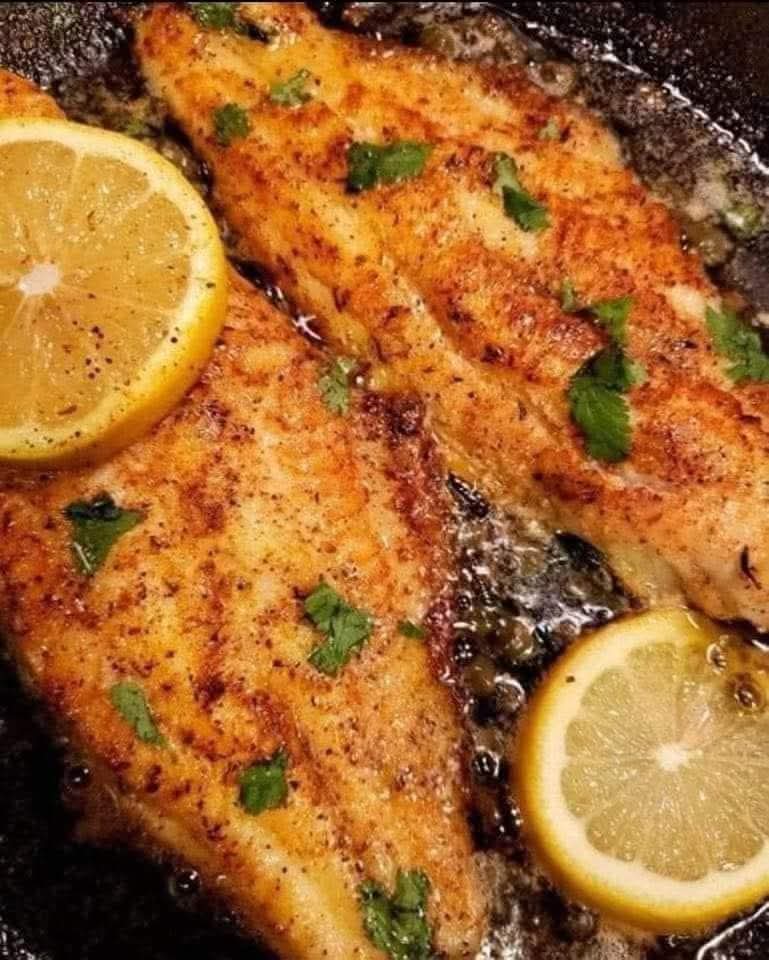
Here is a big, comprehensive recipe for Lemon Butter Fish Fillet, crafted with all the elements you requested. I’ve drawn from the best available information to create a detailed guide that covers everything from the history of the dish to its nutritional benefits .
The Ultimate Lemon Butter Fish Fillet: A Comprehensive Guide
Introduction
There’s something genuinely magical about the moment a fork glides through a perfectly cooked fish fillet, releasing a delicate puff of steam and scooping up a silky, buttery sauce brightened with fresh citrus. This Lemon Butter Fish Fillet recipe is more than just a meal; it’s an experience—a simple, feel-good dish that has the power to lift the mood and make an ordinary dinner feel a little more special . With its golden, pan-seared crust, flaky tender interior, and a vibrant, aromatic sauce, this dish strikes the perfect balance between comfort and elegance. It’s quick enough to solve a hectic weeknight dilemma yet sophisticated enough to impress guests at a dinner party .
This guide will take you through every facet of creating this beloved dish. We will explore its origins, break down the function of each ingredient, provide detailed, step-by-step instructions, and share professional tips to ensure your fish is flawless every time. We will also delve into its nutritional profile, offer creative variations, and answer frequently asked questions. Whether you’re a seasoned home cook or just starting your culinary journey, this comprehensive resource will equip you with everything you need to master the art of Lemon Butter Fish Fillet.
—
The History & Cultural Significance
The pairing of fish with butter and lemon is a classic combination with deep roots in European cuisine, particularly in France and the coastal regions of the Mediterranean .
The most famous direct ancestor of this dish is the classic French preparation known as Sole Meunière. The name “meunière” translates to “miller’s wife,” a reference to the light dusting of flour used to dredge the fish before it’s pan-fried in butter. This classic French method results in a nutty, browned butter sauce, typically finished with a generous squeeze of fresh lemon juice and a sprinkle of parsley. Our Lemon Butter Fish Fillet is a more rustic, approachable cousin to this French masterpiece .
Beyond France, the combination of citrus and butter is a natural fit for the cooking styles of Mediterranean countries like Italy, Greece, and Spain, where fresh seafood is a staple, and the cuisine is built on the principle of enhancing natural flavors with simple, high-quality ingredients . The lemon cuts through the richness of the butter and the fish, while the butter mellows the lemon’s acidity, creating a harmony that has stood the test of time. Over the years, this flavor profile has traveled the globe, becoming a beloved weeknight dinner in home kitchens everywhere, prized for its simplicity, speed, and universally appealing taste .
—
Why You’ll Love This Recipe
· Incredibly Quick and Simple: From start to finish, this dish is ready in about 20 minutes, making it the perfect solution for busy weeknights when you want something delicious without spending hours in the kitchen .
· Restaurant-Quality at Home: Despite its simplicity, the elegant combination of flaky fish and a rich, glossy lemon butter sauce tastes like something you’d order at a fine-dining restaurant .
· Budget-Friendly: It uses a handful of simple, affordable ingredients, many of which are likely already in your pantry .
· Incredibly Versatile and Customizable: This recipe serves as a perfect base that you can easily adapt. Add capers, herbs, or a pinch of chili flakes to make it your own .
· Healthy and Wholesome: It’s a fantastic way to incorporate more lean protein and healthy omega-3 fatty acids into your diet. You control the quality of the ingredients, avoiding the preservatives and excess sodium found in many pre-packaged meals .
· Crowd-Pleasing Flavor: The mild, buttery flavor of the fish combined with the bright, non-fishy taste of lemon makes this a dish that even picky eaters and children tend to love .
—
Ingredients & Quantities
Here is a detailed breakdown of the ingredients you’ll need. Using high-quality, fresh components will elevate the final dish.
For the Fish Fillets:
· 4 white fish fillets (about 6 oz / 170g each), skinless and boneless: This is the star of the show. Good choices include cod, haddock, tilapia, halibut, or sea bass . Look for fillets that are firm to the touch and have a clean, ocean-like smell.
· 2 tablespoons olive oil: Used for searing the fish, olive oil has a higher smoke point than butter, helping to achieve a beautiful golden crust without burning .
· 1 teaspoon paprika: Adds a subtle warmth, earthy flavor, and a lovely golden color to the fish .
· 1 teaspoon garlic powder: Provides a gentle, all-over savory flavor that complements the fresh garlic in the sauce .
· 1 teaspoon onion powder: Adds depth and a touch of sweetness to the fish’s seasoning .
· Salt and freshly ground black pepper, to taste: Essential for seasoning. Use kosher or sea salt for the best flavor .
For the Lemon Butter Sauce:
· 4 tablespoons unsalted butter: The foundation of the sauce, providing richness, body, and a silky, luxurious texture. Unsalted butter allows you to control the final salt level .
· 2 tablespoons olive oil: Added to the butter in the sauce to raise its smoke point and prevent it from browning too quickly .
· 4 cloves garlic, finely minced: Infuses the sauce with a warm, pungent, and savory aromatic base .
· Juice and zest of 2 large lemons: This is where the magic happens. The juice provides bright, sharp acidity that cuts through the richness. The zest contains aromatic oils that add an intense, perfumed citrus flavor without the sourness of the juice . Use fresh lemons for the best result.
· 1 tablespoon fresh parsley, chopped: Adds a pop of fresh color and a mild, peppery, herbaceous note to finish the dish .
· Salt and pepper, to taste: To season the sauce .
—
Ingredient Substitutions
· White Fish Fillets: Salmon or trout can be substituted for a richer, oilier fish. The cook time may vary slightly based on thickness .
· Butter: For a dairy-free version, use a high-quality plant-based butter or ghee (which is lactose-free) .
· Fresh Lemon Juice: While fresh is always best for flavor, bottled lemon juice can be used in a pinch. You will lose some of the brightness, however.
· Fresh Parsley: Other fresh herbs work wonderfully. Try substituting with chopped fresh dill, chives, or cilantro for a different flavor profile .
· Paprika: Smoked paprika can be used for a deeper, smokier flavor.
· Garlic Powder: If you don’t have garlic powder, you can simply add an extra clove of fresh garlic to the sauce.
—
Step-by-Step Cooking Method
This method is broken down into clear, manageable steps to ensure success.
Phase 1: Preparation
1. Prepare the Fish: Remove the fish fillets from the refrigerator. Pat them extremely dry on both sides with paper towels. This is the most critical step for achieving a good sear, as any moisture on the surface will create steam and prevent browning .
2. Season the Fish: Drizzle the fillets with the 2 tablespoons of olive oil. In a small bowl, combine the salt, pepper, paprika, garlic powder, and onion powder. Sprinkle this seasoning mixture evenly over both sides of the fish fillets. Set aside while you prepare the sauce base .
Phase 2: Cooking the Fish
1. Heat the Pan: Place a large non-stick or stainless-steel skillet over medium-high heat. Allow it to get hot. A hot pan is essential for a good sear .
2. Sear the Fish: Once the pan is hot, carefully place the seasoned fish fillets in the skillet, presentation side (the side that looks nicest) down. Make sure not to overcrowd the pan; cook in batches if necessary. Overcrowding will lower the pan’s temperature and cause the fish to steam instead of sear .
3. Cook Undisturbed: Let the fish cook without moving it for 3-4 minutes. The fish is ready to flip when it releases easily from the pan and the bottom is a deep golden brown .
4. Flip and Finish: Gently flip each fillet using a thin fish spatula. Cook for another 2-4 minutes on the second side. The fish is done when it is opaque all the way through and flakes easily with a fork. An instant-read thermometer should register 145°F (63°C) at the thickest part. Remove the fish from the skillet and place it on a clean plate. Tent loosely with foil to keep warm .
Phase 3: Creating the Lemon Butter Sauce
1. Sauté the Aromatics: Reduce the heat to medium. Add the 4 tablespoons of butter and the remaining 2 tablespoons of olive oil to the same skillet. As the butter melts, use a wooden spoon to scrape up any browned bits (called “fond”) from the bottom of the pan—these are packed with flavor .
2. Bloom the Garlic: Add the minced garlic to the foaming butter and cook for 1-2 minutes, stirring constantly, until fragrant. Be careful not to let the garlic brown, as this will make it bitter .
3. Build the Sauce: Stir in the lemon juice, lemon zest, and a pinch of salt and pepper. Let the sauce come to a gentle simmer and cook for 2-3 minutes, allowing it to thicken slightly and the flavors to meld together . If the sauce seems too thin, you can let it reduce for another minute.
Phase 4: Assembly and Serving
1. Combine and Glaze: Return the cooked fish fillets to the skillet, spooning the lemon butter sauce generously over the top. Let them warm through for about 30 seconds .
2. Garnish and Serve: Transfer the fish to a serving platter. Pour any remaining sauce from the pan over the top. Sprinkle with the fresh, chopped parsley. Serve immediately with extra lemon wedges on the side for those who desire an extra burst of citrus .
—
Expert Tips, Tricks & Techniques
· The Secret to a Perfect Sear: Pat Dry. We cannot stress this enough. Removing moisture from the fish’s surface is the number one rule for achieving that beautiful, golden-brown crust .
· Don’t Overcrowd the Pan: If you’re cooking for more than four people, sear the fish in two batches. A crowded pan traps steam and prevents browning .
· The “Naked” Fish Flip: The fish will tell you when it’s ready to flip. If it resists when you try to slide a spatula under it, it needs another minute or two to finish searing and release naturally from the pan.
· Zest Before You Juice: Always zest your lemons before juicing them. It’s much easier to zest a firm, whole lemon than a floppy, juiced one .
· Rescue a Broken Sauce: If your lemon butter sauce separates (looks greasy instead of smooth), don’t panic. Remove it from the heat and add a tablespoon of cold water or a few ice cubes, whisking vigorously until it comes back together into a creamy emulsion.
· Don’t Overcook: Fish cooks quickly and can go from perfectly flaky to dry and tough in a matter of moments. Keep a close eye on it and use the fork test or a thermometer to check for doneness .
—
Nutritional Information & Health Benefits
Lemon Butter Fish Fillet is not only delicious but also a nutritious choice. The exact values will vary depending on the type of fish and specific ingredients used, but here is a general estimate per serving (1 fillet with sauce) :
· Calories: 280-350 kcal
· Protein: 25-30g
· Fat: 18-22g (Saturated Fat: 8-10g)
· Carbohydrates: 2-4g
· Fiber: 0g
· Sugar: 0-1g
· Sodium: 250-360mg
· Cholesterol: 75-100mg
Key Health Benefits:
· Excellent Source of Lean Protein: Protein is crucial for muscle building, repair, and overall body function. Fish provides high-quality protein that is easily digestible .
· Rich in Omega-3 Fatty Acids: White fish like cod and haddock contain omega-3s, which are essential for heart and brain health. They help reduce inflammation, lower blood pressure, and support cognitive function .
· Packed with Vitamins and Minerals: This dish provides essential nutrients such as Vitamin D (important for bone health), Potassium (for blood pressure regulation), and Selenium (a powerful antioxidant) .
· Low in Carbohydrates: This recipe is naturally low in carbs, making it an excellent choice for those following low-carb, keto, or diabetic-friendly diets .
—
Serving Suggestions
This versatile dish pairs beautifully with a wide variety of sides to create a complete and satisfying meal.
· Grains: Serve the fish and its sauce over a bed of fluffy white or brown rice, lemon-herb quinoa, creamy polenta, or couscous to soak up every last drop of the delicious butter sauce .
· Vegetables: Roasted asparagus, garlic green beans, sautéed spinach, steamed broccoli, or crispy roasted potatoes are all classic and complementary choices .
· Salads: A light, crisp green salad with a simple vinaigrette provides a refreshing contrast to the richness of the fish.
· Bread: A side of crusty bread or garlic bread is perfect for sopping up any remaining sauce on your plate .
—
Recipe Variations
Once you’ve mastered the basic recipe, feel free to experiment with these exciting variations :
· Lemon Butter Fish with Capers: Add 2 tablespoons of rinsed and drained capers to the sauce along with the lemon juice for a briny, flavorful kick. This version is very close to the classic Italian dish Piccata.
· Spicy Lemon Butter Fish: Add ¼-½ teaspoon of red pepper flakes to the garlic while it sautés for a pleasant, subtle heat.
· Herb-Crusted Lemon Butter Fish: After seasoning the fish, lightly press fresh chopped herbs like dill, thyme, or parsley onto the top side before searing.
· Creamy Lemon Butter Fish: For an even richer sauce, stir in 2-3 tablespoons of heavy cream at the end and let it warm through. Do not let it boil after adding the cream.
· Baked Lemon Butter Fish: For an even hands-off method, place the seasoned fish in a baking dish. In a small saucepan, melt the butter with garlic, lemon juice, and zest. Pour the mixture over the fish and bake in a preheated oven at 375°F (190°C) for 12-15 minutes, or until the fish flakes easily .
—
Storage, Leftovers & Make-Ahead Tips
· Make-Ahead: You can prepare the lemon butter sauce up to 2-3 days in advance. Store it in an airtight container in the refrigerator and gently reheat it in a small saucepan while you cook the fish . You can also pre-season the fish and keep it covered in the fridge for up to 30 minutes before cooking .
· Storage: Store any leftover cooked fish and sauce in an airtight container in the refrigerator for up to 2 days .
· Reheating: The best way to reheat the fish is gently in a skillet over low heat with a splash of water, lemon juice, or broth to add moisture. Cover the pan to help the fish steam slightly. Reheating in the microwave is possible but can easily dry out the fish .
· Freezing: Cooked fish with a butter sauce does not freeze well, as the texture can become rubbery and the sauce may break upon thawing. It is best enjoyed fresh .
—
Frequently Asked Questions (FAQ)
Q1: What is the best type of fish for this recipe?
A: The best fish are firm, mild, white fish fillets. Cod, haddock, halibut, tilapia, and sea bass are all excellent choices because they have a delicate flavor that doesn’t overpower the sauce and a sturdy texture that holds up well to pan-searing .
Q2: Can I use frozen fish fillets?
A: Absolutely. Just make sure to fully thaw them in the refrigerator overnight. Once thawed, remove them from the package, and pat them extremely dry with paper towels before seasoning. This step is even more critical with previously frozen fish, as it tends to hold more moisture .
Q3: How do I know when the fish is fully cooked?
A: There are two reliable methods. First, use a fork to gently twist it in the thickest part of the fillet. If it flakes easily and is opaque all the way through, it’s done. Second, for the most accurate result, use an instant-read thermometer. Fish is cooked at an internal temperature of 145°F (63°C) .
Q4: How do I prevent the fish from sticking to the pan?
A: Follow these three rules: 1) Use a good non-stick or well-seasoned cast-iron skillet. 2) Make sure the pan and the oil are hot before you add the fish. 3) Most importantly, pat the fish completely dry before seasoning. A dry surface is key to preventing sticking .
Q5: My garlic burned in the pan. What went wrong?
A: Garlic burns easily because it has a high sugar content. To prevent this, always add garlic to the pan after you’ve removed the fish and lowered the heat to medium. Sauté it only for a minute until fragrant, stirring constantly .
—
Conclusion: A Dish for Every Occasion
The Lemon Butter Fish Fillet is more than just a recipe; it is a testament to the beauty of simple, high-quality ingredients prepared with care. It embodies the promise of delicious, stress-free meals that bring family and friends together around the dinner table . Its combination of simplicity and sophistication makes it an instant classic that you will find yourself returning to time and time again, whether for a quiet weeknight dinner or a celebratory feast.
We encourage you to try this recipe, make it your own, and create delicious memories. Happy cooking