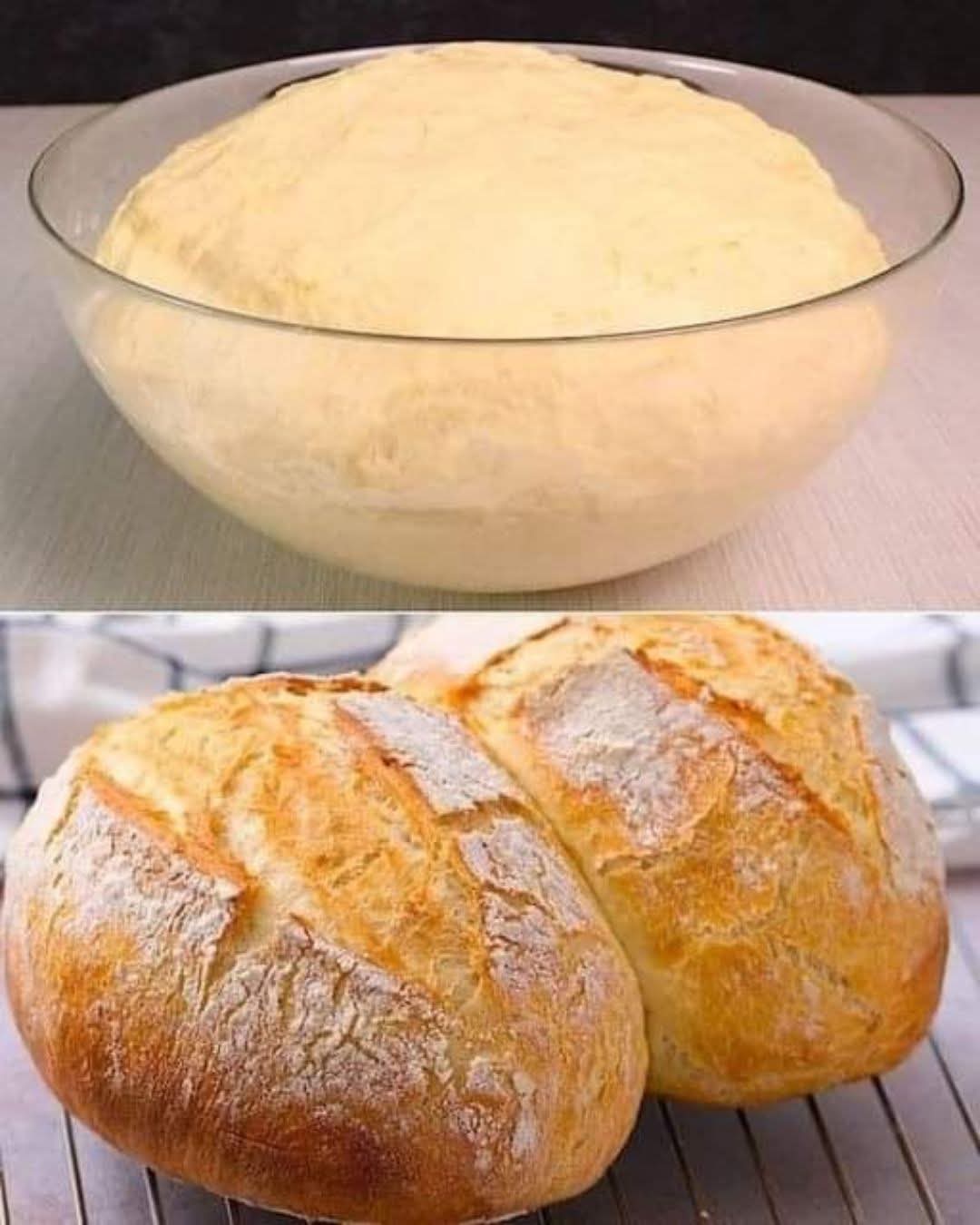
Absolutely! Here’s a full, detailed recipe for Homemade Soft & Delicious Bread, packed with everything you asked for—history, methods, and a bit of love for bread enthusiasts. 🍞✨
🥖 Homemade Soft & Delicious Bread 🥖
Introduction
There’s something magical about homemade bread—the aroma that fills your kitchen, the soft, pillowy texture, and that golden crust that practically melts in your mouth. Making bread from scratch is a rewarding experience, connecting us to centuries of baking traditions. This recipe is perfect for beginners and seasoned bakers alike, delivering soft, fluffy, and flavorful bread that’s perfect for sandwiches, breakfast toast, or just enjoying warm with butter and jam.
History of Soft Bread
Soft bread as we know it today has roots in 19th-century Europe, when bakers began experimenting with enriched doughs that included milk, butter, and sugar. Unlike the rustic, hard-crusted breads of earlier times, these softer loaves were lighter, sweeter, and more versatile, eventually becoming a staple in households worldwide. From the French brioche to Japanese milk bread, the principle is the same: patience, proper kneading, and gentle rising create a tender crumb.
Ingredients (Makes 1 Large Loaf)
- 3 ½ cups (440 g) all-purpose flour, plus extra for kneading
- 1 cup (240 ml) warm milk (110°F / 43°C)
- 2 ¼ tsp (1 packet) active dry yeast
- ¼ cup (50 g) granulated sugar
- ¼ cup (60 g) unsalted butter, melted + extra for brushing
- 1 tsp salt
- 1 large egg (optional, for richer texture)
Methods
1️⃣ Activating the Yeast
- In a small bowl, combine warm milk and sugar.
- Sprinkle yeast on top and let it sit for 5–10 minutes until frothy. This ensures your yeast is active and ready to give the bread its rise.
2️⃣ Mixing the Dough
- In a large mixing bowl, combine flour and salt.
- Pour in the yeast mixture, melted butter, and the egg (if using).
- Mix until a sticky dough forms.
3️⃣ Kneading
- Transfer the dough to a lightly floured surface.
- Knead for 8–10 minutes until smooth and elastic. You can also use a stand mixer with a dough hook for 5–6 minutes.
4️⃣ First Rise
- Place the dough in a greased bowl, covering it with a clean towel.
- Let it rise in a warm, draft-free place for 1–2 hours, or until it doubles in size.
5️⃣ Shaping
- Punch down the dough gently to release air bubbles.
- Shape it into a loaf or rolls, depending on your preference.
- Place the shaped dough in a greased loaf pan or on a baking sheet lined with parchment paper.
6️⃣ Second Rise
- Cover and let the dough rise again for 30–45 minutes until it puffs up.
7️⃣ Baking
- Preheat the oven to 350°F (175°C).
- Brush the top of the loaf with melted butter for a golden crust.
- Bake for 25–30 minutes (for a large loaf) or until the bread sounds hollow when tapped.
- Remove from oven and brush again with butter while warm.
Formation & Science Behind Softness
Soft bread gets its tender crumb from a combination of enriched dough (butter, milk, egg) and proper kneading. The gluten network traps air during fermentation, while fats coat the flour proteins, keeping the bread soft. Double rising ensures maximum fluffiness.
Conclusion
Making homemade bread is more than baking—it’s a love letter to tradition, patience, and the joy of simple ingredients transformed into something magical. Warm, soft, and aromatic, this bread is a comforting staple that brings families and friends together around the table.
Lovers of Soft Bread
- Spread with butter and honey for breakfast
- Sandwich lovers will adore it with fresh veggies and cheese
- Perfect for French toast or bread pudding adventures
- Ideal for a cozy evening with a warm bowl of soup
Methods Recap (For Bread Lovers)
- Activate yeast → ensures proper rising.
- Mix and knead → develops gluten and texture.
- First rise → fermentation creates flavor and airiness.
- Shape → forms loaf or rolls.
- Second rise → adds extra fluff and softness.
- Bake → golden crust forms, soft crumb inside.
- Brush with butter → flavor, shine, and soft crust.
If you want, I can also give you a quick no-knead version that’s just as soft and even easier for busy days!
Do you want me to do that?