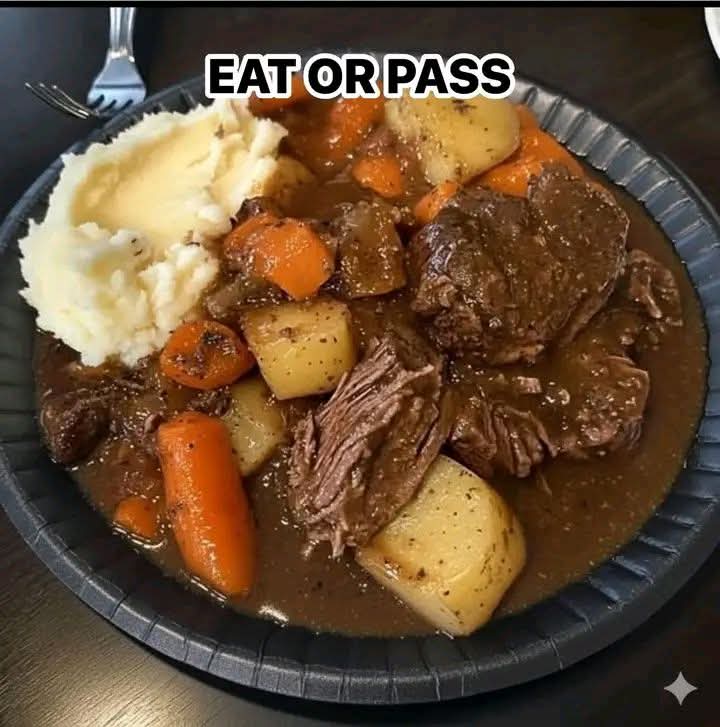
Here is a comprehensive and expanded guide to creating the ultimate Beef Pot Roast with Potatoes, Carrots & Mashed Potatoes, structured exactly as you requested.
—
Introduction: A Symphony of Comfort
There are few dishes in the culinary world that evoke the feeling of home, warmth, and nostalgia quite like a classic Beef Pot Roast. It is the undisputed king of comfort food, a meal that transforms a tough, inexpensive cut of meat into a buttery-tender masterpiece through the gentle alchemy of slow cooking.
This isn’t just a recipe; it’s an experience. It’s the aroma that fills your home on a lazy Sunday afternoon, promising a hearty meal to come. The star of the show is a well-marbled beef chuck roast, seared to perfection and then left to braise low and slow in a rich, savory broth until it falls apart at the slightest touch. Nestled alongside are sweet, tender carrots and potatoes that absorb all the deep, beefy flavors of the cooking liquid. But we take it one step further: we double down on the potato goodness by transforming a portion of the spuds into a separate, silky-smooth bowl of Mashed Potatoes. This creates a textural masterpiece—the rustic, slow-cooked vegetables against the creamy, buttery mashed potatoes, all swathed in the pot roast’s rich, unctuous gravy.
This guide will walk you through every step, from the history of this beloved dish to the nutritional benefits of its humble ingredients, ensuring you create a pot roast that is not just a meal, but a memory.
—
The History: From Humble Beginnings to Hearth and Home
The pot roast is a testament to the ingenuity of cooks throughout history. Its origins aren’t found in fancy restaurants but in the simple, practical kitchens of Europe and early America. The core principle is “braising,” a technique that has been used for centuries to tenderize tough cuts of meat from working animals that were too old or muscular to be grilled or roasted quickly.
As European immigrants settled in North America, they brought their braising traditions with them. The “pot roast” as we know it likely evolved from dishes like the French Boeuf à la Mode, the German Sauerbraten, and the Jewish Brisket. These were all meals designed to feed a family with limited resources, using a single heavy pot—often a Dutch oven—that could be placed over a fire or in the embers of a hearth to cook slowly throughout the day.
The addition of root vegetables like potatoes, carrots, and onions was a natural and practical evolution. These were the vegetables that could be stored through the winter in a root cellar, making them available year-round. By adding them to the pot, the cook created a complete, one-pot meal that was both economical and deeply satisfying. The pot roast became a cornerstone of American home cooking, a symbol of frugality, patience, and the simple joy of a family meal gathered around the table.
—
The Benefits: More Than Just a Delicious Meal
While primarily celebrated for its soul-warming flavor, a beef pot roast also offers several nutritional and practical benefits:
1. Excellent Source of Protein: Beef chuck roast is a fantastic source of high-quality protein, essential for muscle building, repair, and overall body function.
2. Rich in Iron and Zinc: Red meat is one of the best dietary sources of heme iron, which is easily absorbed by the body and crucial for preventing anemia. It’s also packed with zinc, a mineral vital for a healthy immune system.
3. Powerhouse of Vitamins: The carrots and onions provide a healthy dose of beta-carotene (which the body converts to Vitamin A), Vitamin C, and various B vitamins, supporting everything from eye health to energy metabolism.
4. Gut-Healthy Collagen: The long, slow cooking process breaks down the tough connective tissues in the chuck roast into gelatin. This gelatin is not only what gives the gravy its incredible body and silky texture but is also fantastic for gut health, joints, and skin.
5. Mindful Eating: The very nature of a pot roast encourages a slower pace of life. It requires planning and patience, and the act of sharing this generous, hearty meal naturally fosters connection and mindful eating with loved ones.
—
The Lovers: Who Is This Dish For?
This Beef Pot Roast with Mashed Potatoes is a dish for everyone, but it holds a special place in the hearts of:
· The Home Cook: It’s a forgiving and rewarding recipe that builds confidence in the kitchen. The techniques are simple, but the result is spectacular.
· The Busy Family: It’s the ultimate “set it and forget it” meal (especially in a slow cooker). You put in the work early, and hours later, a complete, nutritious dinner is ready.
· The Comfort Seeker: On a cold, rainy day or during a time of stress, this dish is a warm, edible hug. It’s nostalgia on a plate.
· The Entertainer: A pot roast feels both rustic and impressive. Serving it from a beautiful Dutch oven at the center of the table creates an instant atmosphere of generosity and abundance.
· The Leftover Enthusiast: Pot roast leftovers are legendary. The flavors deepen overnight, making sandwiches, hash, or a simple reheat the next day even more delicious.
—
Preparation and Formation: Setting the Stage for Success
Before you even turn on the stove, proper preparation is key to a flawless pot roast. This stage is what we call the “formation” of the dish.
1. The Cut of Meat: Seek out a beef chuck roast (3-4 lbs). Look for one with good marbling—those thin white lines of fat running through the meat. This fat is what will render down and keep the meat moist and flavorful during the long cook. Common sub-cuts include chuck eye roast, shoulder roast, or blade roast.
2. The Pot: A heavy-bottomed, oven-safe pot with a tight-fitting lid is essential. A Dutch oven (enameled cast iron is ideal) is perfect for this task. It retains and distributes heat evenly, creating the perfect braising environment.
3. Mise en Place (Everything in its Place): Have all your ingredients prepped before you start. Chop the onion, mince the garlic, peel and chop the carrots into 2-inch chunks, and peel and quarter the potatoes. This prevents scrambling when it’s time to sear the meat.
4. The Potato Strategy: Why both roasted and mashed? The potatoes cooked with the roast become incredibly flavorful, infused with the beefy broth. However, they can become quite soft. By mashing a separate batch, we create a luxurious, creamy bed for the roast and vegetables, offering a delightful contrast in textures.
—
The Big Recipe: Classic Beef Pot Roast with a Side of Creamy Mashed Potatoes
This recipe is designed for a 6-8 quart Dutch oven and serves 6-8 people.
For the Pot Roast:
· 3-4 lbs beef chuck roast
· 2 tbsp olive oil (or another high-smoke-point oil)
· 2 tsp kosher salt, plus more to taste
· 1 tsp black pepper, plus more to taste
· 1 large yellow onion, chopped
· 4 cloves garlic, minced
· 2 tbsp tomato paste
· 1 cup dry red wine (like Cabernet Sauvignon or Merlot – optional, but recommended)
· 2 cups beef broth, low-sodium
· 1 lb carrots, peeled and cut into 2-inch chunks
· 1.5 lbs Yukon Gold or Russet potatoes, peeled and quartered
· 3 sprigs fresh rosemary
· 4 sprigs fresh thyme
· 2 bay leaves
· 2 tbsp cornstarch mixed with 2 tbsp cold water (optional, for thickening gravy at the end)
For the Mashed Potatoes:
· 2 lbs Yukon Gold potatoes, peeled and cut into 1-inch chunks
· 4 tbsp unsalted butter, cubed
· 1/2 cup whole milk or heavy cream, warmed
· 1 tsp kosher salt, or to taste
· 1/4 tsp white or black pepper
—
The Instructions: A Step-by-Step Guide to Perfection
Part 1: The Pot Roast
1. Preheat & Prep: Preheat your oven to 325°F (165°C) . Pat the beef chuck roast completely dry with paper towels. This is a critical step for a good sear. Season generously on all sides with the 2 tsp salt and 1 tsp pepper.
2. Sear the Meat: Heat the olive oil in your Dutch oven over medium-high heat until it shimmers. Carefully place the roast in the hot pot. Sear for 4-5 minutes per side, without moving it, until a deep, golden-brown crust forms. Use tongs to sear the edges as well. Transfer the roast to a large plate and set aside.
3. Sauté the Aromatics: Reduce the heat to medium. Add the chopped onion to the pot and cook for 5-7 minutes, scraping up any browned bits (fond) from the bottom of the pot. The fond is pure flavor. Cook until the onions are softened and translucent. Add the minced garlic and cook for another minute until fragrant.
4. Bloom the Tomato Paste: Stir in the tomato paste and cook for 1-2 minutes, stirring constantly. This cooks out the raw flavor and adds a deep umami note.
5. Deglaze (Optional but Delicious): If using wine, pour it in now. Bring to a simmer and let it reduce by about half, again scraping up any remaining bits from the bottom. If not using wine, use an extra 1/2 cup of beef broth for this step.
6. Return the Meat & Add Broth: Return the roast to the pot, along with any juices that have accumulated on the plate. Add the beef broth. It should come about halfway up the sides of the roast. Add the rosemary, thyme, and bay leaves. Bring the liquid to a gentle simmer.
7. Braise: Turn off the heat. Cover the pot tightly with the lid and transfer it to the preheated oven.
8. Add the Vegetables: Let it cook undisturbed for 2 hours. After 2 hours, carefully remove the pot from the oven. Add the carrot chunks and quartered potatoes to the liquid around the roast. They should be mostly submerged. Return the lid to the pot and place it back in the oven.
9. Finish Cooking: Continue to cook for another 1.5 to 2 hours. The roast is done when it is fork-tender—meaning a fork can be inserted into the meat and twisted with little to no resistance, and the meat easily shreds. The vegetables should be tender.
Part 2: The Mashed Potatoes (Start about 30-40 minutes before the roast is done)
1. Boil the Potatoes: While the pot roast is in its final hour of cooking, place the 2 lbs of peeled and cubed Yukon Gold potatoes in a large pot and cover with cold water by about an inch. Add a generous pinch of salt.
2. Cook Until Tender: Bring to a boil over high heat, then reduce to a simmer. Cook for 15-20 minutes, or until the potatoes are fork-tender (a knife slides in with no resistance).
3. Drain and Dry: Drain the potatoes thoroughly in a colander. Return them to the hot pot and place it back on the (turned-off) stove burner for a minute or two to allow any excess steam to evaporate. This ensures they aren’t watery.
4. Mash and Finish: Use a potato masher or ricer to mash the potatoes until smooth. Add the cubed butter and let it melt into the hot potatoes. Gently stir in the warm milk or cream until you reach your desired consistency. Season with salt and pepper to taste. Cover and keep warm.
Part 3: The Grand Finale
1. Rest the Roast: Once the pot roast is done, carefully transfer the roast, carrots, and potatoes to a large platter. Discard the herb sprigs and bay leaves. Tent the platter loosely with foil to keep warm while you make the gravy.
2. Make the Gravy: Place the Dutch oven with the remaining braising liquid on the stovetop over medium heat. Bring to a simmer. The fat will rise to the top. You can skim some of it off with a spoon if you wish, but leaving a little adds richness. If you prefer a thicker gravy, slowly whisk in the cornstarch slurry (cornstarch + water). Simmer for a few minutes until the gravy thickens slightly. Taste and adjust seasoning with salt and pepper.
3. Serve: Spoon a generous amount of the creamy mashed potatoes onto each plate or a large serving platter. Place a portion of the fall-apart tender beef on top, along with some carrots and potatoes from the pot. Ladle the rich, savory gravy over everything. Serve immediately.
—
The Conclusion: More Than the Sum of Its Parts
In the end, this Beef Pot Roast with Potatoes, Carrots & Mashed Potatoes is far more than just a list of ingredients and instructions. It is a lesson in patience, a celebration of humble ingredients elevated by time and care, and a powerful reminder of the comfort that a home-cooked meal can provide. From the deeply savory, tender beef to the sweet, broth-infused carrots and the dual-potato delight of rustic chunks and creamy mash, every element works in perfect harmony.
It is a dish that connects us to the past, nourishes us in the present, and creates memories that will linger long after the last bite is gone. It is, quite simply, the taste of home. Serve it to those you love, and watch as it works its magic. Enjoy