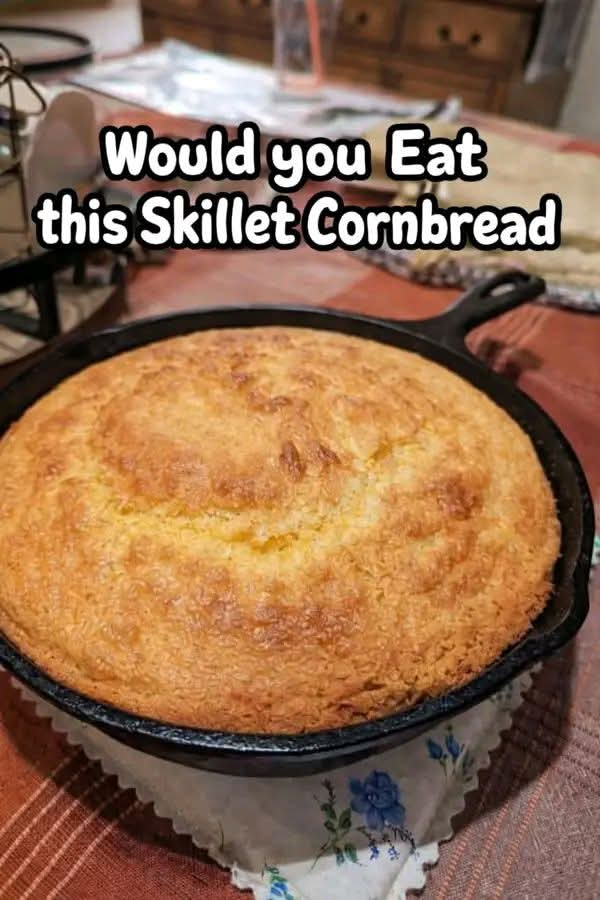
Here is a comprehensive guide to Skillet Cornbread, presented as a detailed recipe article.
—
The Golden Legacy of Skillet Cornbread: A Recipe for the Soul
There are few things in the culinary world as comforting and nostalgic as a wedge of warm, golden-brown cornbread fresh from a cast-iron skillet. It’s a dish that bridges the gap between simple sustenance and cherished tradition. The sound of the sizzle as the batter hits the hot, oiled pan, the aroma that fills the kitchen, and the slightly sweet, crumbly texture with a perfectly crisp crust—this is more than just bread; it’s an experience. This recipe is a celebration of that legacy, offering a simple path to creating a skillet cornbread that is moist, tender, and destined to become a family favorite.
—
The Story in a Skillet: A Brief History of Cornbread
Cornbread is a true American original, with roots stretching back to Indigenous peoples of the Americas, who first domesticated corn (maize) and taught European settlers how to grind it into meal. For settlers in the South, where wheat was often difficult to grow, cornmeal became a staple. The introduction of the cast-iron skillet, a durable and versatile cooking tool, was a perfect match. It could be heated evenly on a hearth or in a fire, creating the legendary crispy crust that defines the best cornbread.
Over centuries, recipes evolved from simple combinations of cornmeal, water, and salt to richer versions incorporating flour, eggs, and milk. The debate over sugar in cornbread is a famous culinary divide, with Northern versions often being sweeter and Southern purists insisting on a savory, sugar-free style. This recipe strikes a beloved middle ground, adding just enough sugar to enhance the corn’s natural sweetness without turning it into cake.
—
The Recipe: Classic Sweet & Savory Skillet Cornbread
This recipe is designed for a 10-inch cast-iron skillet. It yields a cornbread that is beautifully balanced—crispy on the outside, tender and moist on the inside, with a subtle sweetness that pairs perfectly with everything from chili to collard greens.
Preparation Time: 10 minutes
Cook Time: 20-25 minutes
Total Time: 35 minutes
Servings: 8-10 wedges
Ingredients
· For the Dry Mix:
· 1 cup fine or medium-ground cornmeal (yellow or white)
· 1 cup all-purpose flour
· 1/4 cup granulated sugar (adjust to your taste preference)
· 1 tablespoon baking powder
· 1/2 teaspoon baking soda
· 1/2 teaspoon salt
· For the Wet Mix:
· 1 cup buttermilk, shaken (substitute with 1 cup milk mixed with 1 tablespoon lemon juice or vinegar, let sit for 5 minutes)
· 2 large eggs, lightly beaten
· 1/4 cup unsalted butter, melted (plus 2 tablespoons for the skillet)
· 1/4 cup honey or maple syrup (optional, for extra moisture and sweetness)
Instructions: The Method to the Magic
1. Preheat the Pan and Oven: Place your 10-inch cast-iron skillet in the oven and preheat to 400°F (200°C) . Getting the skillet screaming hot is the secret to that iconic crispy crust.
2. Combine Dry Ingredients: In a large bowl, whisk together the cornmeal, all-purpose flour, sugar, baking powder, baking soda, and salt. Whisking ensures there are no lumps and evenly distributes the leavening agents.
3. Combine Wet Ingredients: In a separate medium bowl or large liquid measuring cup, whisk together the buttermilk, beaten eggs, 1/4 cup of melted butter, and honey (if using). Make sure the melted butter isn’t scorching hot, or it might cook the eggs.
4. Create the Batter: Pour the wet ingredients into the dry ingredients. Stir with a spatula or wooden spoon just until combined. A few small lumps are perfectly fine. Overmixing develops the gluten in the flour, which will result in a tough, dense cornbread instead of a tender one. The batter should be thick but pourable.
5. Grease the Hot Skillet: Carefully remove the preheated skillet from the oven (using oven mitts!). Add the remaining 2 tablespoons of butter to the skillet. Swirl it around as it melts, coating the bottom and sides. The butter should sizzle immediately.
6. Bake to Golden Perfection: Pour the batter into the hot, buttered skillet. It will sizzle and start to set around the edges immediately. Spread it evenly if needed, but don’t fuss too much. Place the skillet back into the oven and bake for 20 to 25 minutes.
7. Test for Doneness: The cornbread is done when the top is golden brown and a toothpick inserted into the center comes out clean or with just a few moist crumbs attached. The edges will have pulled away slightly from the side of the skillet.
8. Cool and Serve: Let the cornbread cool in the skillet on a wire rack for at least 10-15 minutes before slicing. This allows it to set. Serve it warm directly from the skillet, cut into wedges.
—
Nutritional Information (Per Serving, approximate)
· Calories: 250-300
· Fat: 10-12g
· Carbohydrates: 35-40g
· Protein: 6-7g
· Fiber: 2-3g
· Sugar: 8-10g
(Note: Nutritional values are estimates and will vary based on specific ingredients used.)
—
The Benefits of Baking in a Cast-Iron Skillet
· The Crust: The heavy, preheated pan delivers intense, direct heat to the batter, creating a deeply golden, buttery, and undeniably crisp crust that a glass or metal pan simply cannot replicate.
· Even Heating: Cast iron distributes heat incredibly evenly, ensuring your cornbread bakes uniformly without burnt edges or a soggy center.
· Heat Retention: It stays hot for a long time, keeping your cornbread warm at the table from the first slice to the last.
· Versatility: A cast-iron skillet can go from the stovetop to the oven, making it perfect for dishes that require both, like this cornbread.
For the Lovers of Cornbread
This cornbread is for the lovers. For the chili lovers, it’s the essential dipper. For the honey butter lovers, it’s the perfect canvas for that sweet, creamy spread. For the breakfast lovers, a leftover wedge crumbled into a glass of cold buttermilk is a classic Southern treat, or it makes incredible French toast. It’s for those who love food that feels like a warm hug.
Formation: The Science of a Great Crumb
The beauty of this cornbread lies in the interaction of its ingredients.
· Cornmeal provides the signature gritty texture and corny flavor.
· Flour adds structure, preventing the bread from being too crumbly.
· Baking Powder & Soda are the leavening agents, creating air bubbles for a light, tender crumb. The soda also reacts with the acidity in the buttermilk for extra lift and browning.
· Buttermilk adds tanginess, moisture, and tenderizes the gluten.
· Eggs bind the ingredients and contribute to the structure and richness.
· Butter delivers flavor and moisture, with the final touch in the skillet ensuring the crust is perfection.
In Conclusion
This skillet cornbread recipe is more than just a list of steps; it’s an invitation to create a moment of warmth and connection. With its rustic charm, incredible flavor, and foolproof method, it’s a dish that will earn a permanent place in your cooking rotation. Whether served alongside a hearty stew, a summer barbecue, or simply enjoyed on its own with a pat of butter, this cornbread captures the very essence of home cooking. So, preheat your skillet, gather your ingredients, and bake a little piece of golden legacy today.