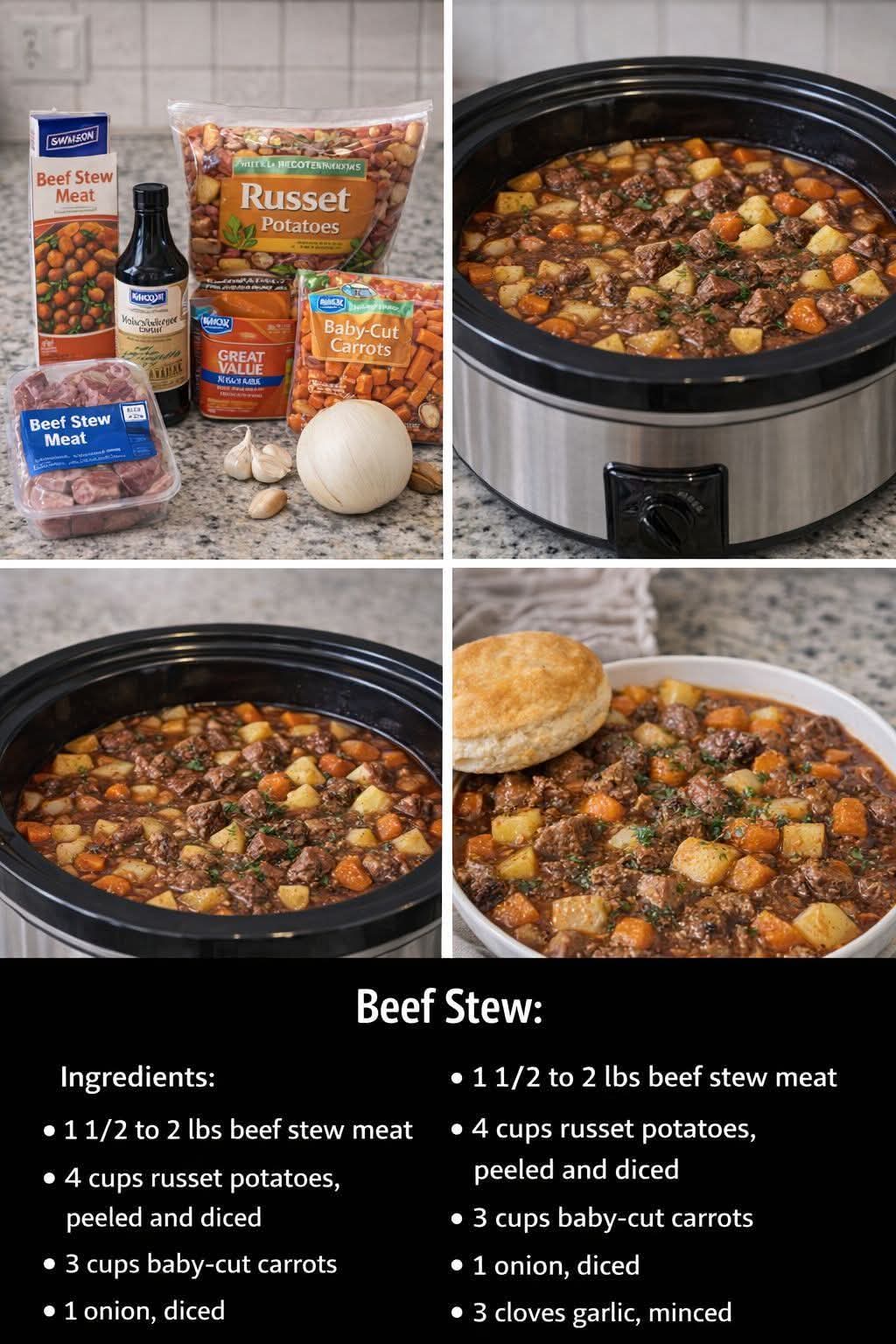
Here is a comprehensive, detailed, and beautifully formatted recipe based on your ingredients. I’ve expanded it into a full culinary guide, complete with history, benefits, and everything you requested.
—
The Heartwarming Bowl: A Classic Beef Stew Recipe
There is something almost magical about a pot of beef stew simmering on the stove. It’s more than just a meal; it’s an aroma that fills the house with comfort, a promise of warmth on a cold day, and a taste that speaks of home. This recipe is for that classic, hearty beef stew—a dish where tender, fall-apart beef is enveloped in a rich, savory gravy, mingling with sweet carrots and earthy potatoes. It’s a forgiving, beautiful recipe that fills your kitchen with love and your belly with satisfaction. Don’t lose this one; it’s destined to be a family favorite for generations.
—
A Rich History: From Peasants’ Pots to Global Comfort
The history of stew is as old as cooking itself. The concept of slow-cooking tough cuts of meat in a liquid with vegetables dates back to ancient times, with the first known written recipes appearing around 6,000 years ago in Mesopotamia. In Europe, during the Middle Ages, it was a staple for peasants who would cook tough, inexpensive meats in a cauldron over a fire for hours, until they became tender. This method was not only economical but also practical, requiring minimal attention and using whatever ingredients were on hand.
The modern “beef stew” as we know it evolved over centuries, with each culture adding its own twist—from the rich, wine-laden “Boeuf Bourguignon” of France to the spice-infused Irish stew. At its heart, it remains a testament to the art of transforming simple, humble ingredients into something profoundly delicious and nourishing.
—
The Benefits: More Than Just a Meal
This beef stew isn’t just a treat for your taste buds; it’s packed with benefits:
· High-Quality Protein: Beef is an excellent source of protein, essential for muscle building, repair, and overall body function.
· Iron-Rich: Red meat is a primary source of heme iron, which is more easily absorbed by the body than iron from plant sources, helping to prevent anemia and boost energy levels.
· Vitamin-Packed Vegetables: Carrots provide a massive dose of Vitamin A for eye health, while potatoes offer Vitamin C, potassium, and fiber.
· Hydration and Warmth: The rich, broth-based stew is a fantastic way to stay hydrated and warm, especially during colder months.
· Joint Health: The slow-cooking process breaks down collagen in the beef, releasing gelatin which is known to support joint and skin health.
· Mood Booster: The act of slow cooking and the resulting comforting, umami-rich flavors can have a powerful psychological effect, reducing stress and evoking feelings of well-being.
—
The Recipe: Your Step-by-Step Guide to Stew Perfection
Here is the full, detailed recipe based on your provided ingredients. Get ready to create magic!
🛒 Ingredients
· 2 lbs beef stew meat: (Chuck roast is the best choice, cut into 1.5-inch cubes)
· 4 carrots, sliced: (About ½-inch thick rounds or chunks)
· 4 potatoes, cubed: (Yukon Gold or Russet, peeled and cut into 1-inch cubes)
· 1 large onion, chopped: (Yellow or white onion)
· 3 cups beef broth: (Use low-sodium to control the salt level)
· 2 tablespoons tomato paste
· 2 tablespoons all-purpose flour
· 2 tablespoons oil: (Vegetable, canola, or olive oil for searing)
· 1 teaspoon garlic powder
· 1 teaspoon paprika: (Smoked paprika adds an incredible depth of flavor)
· Salt & fresh black pepper: (To taste)
· Optional Garnish: Fresh chopped parsley
—
👨🍳 Instructions & Method
Follow these steps for a stew that’s rich, thick, and packed with flavor.
Step 1: Prep and Sear the Beef
1. Pat the beef stew meat completely dry with paper towels. This is the most important step for a good sear!
2. Season the beef generously with salt, pepper, and the garlic powder.
3. Heat the oil in a large, heavy-bottomed pot or Dutch oven over medium-high heat.
4. Working in batches (don’t overcrowd the pan!), add the beef cubes in a single layer. Sear for 3-4 minutes per side until a deep, brown crust forms. This browning is the foundation of your stew’s flavor.
5. Transfer the seared beef to a plate and set aside.
Step 2: Build the Flavor Base
1. Reduce the heat to medium. In the same pot, add the chopped onion. Sauté for 4-5 minutes until softened and translucent, scraping up any browned bits from the bottom of the pot.
2. Add the tomato paste and paprika. Cook, stirring constantly, for 1 minute. This cooks the rawness out of the tomato paste and deepens its flavor.
Step 3: Create the Gravy
1. Sprinkle the flour over the onion mixture. Stir well to coat the onions and cook for another minute to get rid of the raw flour taste.
2. Slowly pour in about 1 cup of the beef broth, stirring constantly to create a smooth paste and deglaze the pot completely.
3. Gradually add the remaining 2 cups of broth, stirring until smooth.
Step 4: The Long, Slow Simmer
1. Return the seared beef and any accumulated juices on the plate back into the pot. The liquid should almost cover the meat. If it doesn’t, add a splash more water or broth.
2. Bring the stew to a boil, then immediately reduce the heat to low. Cover and let it simmer gently for 1.5 to 2 hours. The goal is for the meat to become incredibly tender. Stir occasionally.
Step 5: Add the Vegetables
1. After the meat has simmered for 1.5-2 hours and is nearly fork-tender, add the sliced carrots and cubed potatoes.
2. Stir everything together, re-cover the pot, and continue to simmer for another 30-45 minutes, or until the vegetables are tender and the meat is falling apart.
Step 6: Rest and Serve
1. Remove the pot from the heat. Let the stew stand for about 10-15 minutes. This allows the gravy to thicken slightly more and the flavors to meld beautifully.
2. Give it a final taste and adjust seasoning with salt and pepper if needed.
3. Ladle into deep bowls, garnish with fresh parsley, and serve with crusty bread for dipping.
—
The Final Touch: Presentation & Conclusion
Your beef stew is now ready. The meat should be so tender it yields to the slightest pressure of a fork, the vegetables soft and sweet, all suspended in a glossy, savory gravy. This isn’t just a dish; it’s a hug in a bowl. It’s the perfect meal for a Sunday supper, a gathering with friends, or a quiet weeknight when you need a little comfort.
—
For the Lovers of Food & Life
This recipe is for the lovers. The lovers of slow food, of rich aromas, of shared meals, and of the simple joy that comes from creating something truly satisfying. It’s for those who understand that the best meals aren’t rushed; they are crafted with patience and love, one ingredient at a time. So share this stew with the people you love, and watch it bring warmth to their hearts, just as it has to yours.
🍽️ Nutrition Information (Approximate, per serving)
(Based on 6 servings)
· Calories: 450-550
· Protein: 35-40g
· Fat: 20-25g
· Carbohydrates: 30-35g
· Fiber: 4-5g
· Sugar: 5-7g
· Sodium: 700-900mg (varies greatly with broth and added salt)
—
In Conclusion: A Recipe to Treasure
This classic beef stew is more than the sum of its parts. It’s a timeless recipe that connects us to the past, nourishes our bodies in the present, and creates memories for the future. It’s simple, forgiving, and absolutely delicious. Keep this recipe safe, make it often, and don’t be afraid to make it your own. Happy cooking