Here is a comprehensive guide to the classic dish, formatted as requested.
—
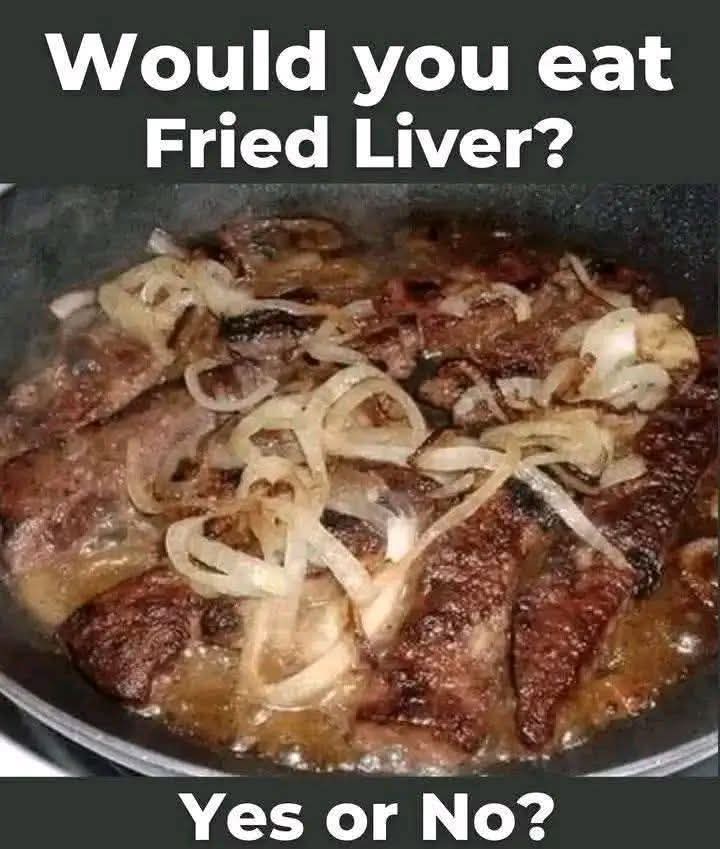
The Polarizing Classic: Pan-Fried Liver with Onions
Fried liver with onions is a dish that sparks passionate debate. For some, it’s a nostalgic taste of childhood, a budget-friendly meal that was a weekly staple on dinner tables across America and Europe. For others, the very thought of its distinct, mineral-rich flavor and unique texture is a hard pass.
This isn’t just food; it’s a culinary tradition born from the “nose-to-tail” philosophy of our grandparents’ generation, where respecting the ingredient meant using every part of the animal. Liver, particularly from beef or chicken, is one of the most nutrient-dense foods on the planet, often called “nature’s multivitamin.” When prepared correctly—soaked, seasoned, and cooked with a mountain of sweet, caramelized onions—it transforms into a surprisingly delicate and deeply savory meal. The onions are not merely a side dish; they are the key that unlocks the liver’s potential, their sweetness taming the earthiness and creating a harmony of flavors.
So, we put the question to you: Fried liver with onions — yes or no?
The results are in, and the verdict is a resounding… YES! For the lovers who want to recreate this old-school classic at home, here is the definitive recipe to ensure your liver is tender, flavorful, and anything but ordinary.
—
The Ultimate Pan-Fried Liver with Onions Recipe
This recipe is designed for beef liver, the most common variety for this dish, but it works beautifully with calf or chicken liver as well. The key steps are the milk soak and the perfectly caramelized onions.
Introduction to the Recipe
Forget everything you think you know about tough, metallic-tasting liver. This recipe is your guide to achieving liver that is tender on the inside with a beautifully seared, flavorful crust. The magic begins the night before with a soak in buttermilk, which neutralizes any strong flavors and ensures a melt-in-your-mouth texture. The crowning glory is a generous heap of sweet, buttery onions, slowly cooked until they are jammy and golden. Served with creamy mashed potatoes or buttery egg noodles, this is comfort food at its most honest and satisfying.
History of the Dish
The pairing of liver and onions is a classic in many cultures, from the British “Liver and Onions” to the Italian “Fegato alla Veneziana” (Venetian-style liver with onions). Its popularity, especially from the late 19th to the mid-20th century, was rooted in practicality and nutrition. Liver was one of the cheapest cuts of meat available, making it a crucial source of protein for working-class families. Onions, readily available and inexpensive, were the perfect companion to stretch the meal and add flavor. The dish became a diner and cafeteria staple, symbolizing no-frills, hearty home cooking. While it fell out of fashion for a time, it is now being rediscovered by a new generation interested in nutrient-dense, whole-food cooking and reducing food waste.
Benefits of Eating Liver
Often hailed as a superfood, liver is one of the most nutrient-dense foods you can eat.
· Packed with Vitamins: It is the single best source of Vitamin A, crucial for eye health, immune function, and skin. It’s also loaded with bioavailable B vitamins, especially B12, which is essential for energy and nerve function.
· Rich in Minerals: Liver is a fantastic source of highly absorbable iron (heme iron), which helps prevent anemia, as well as zinc, copper, and phosphorus.
· High-Quality Protein: It provides all the essential amino acids your body needs to build and repair tissues.
· Coenzyme Q10 (CoQ10): Important for heart health and cellular energy production.
Nutritional Information (per serving, approximate)
· Calories: 350-450
· Protein: 30-35g
· Fat: 15-20g (depending on butter/oil used)
· Carbohydrates: 15-20g (mostly from onions)
· Iron: 30-40% of the Recommended Daily Intake (RDI)
· Vitamin A: Over 100% of the RDI
· Vitamin B12: Over 100% of the RDI
Ingredients
· For the Liver:
· 1 lb (450g) beef liver, sliced about ½-inch thick
· 2 cups buttermilk (or whole milk with 1 tbsp of lemon juice)
· For the Onions and Gravy:
· 3 large yellow or sweet onions, halved and thinly sliced
· 4 tbsp unsalted butter, divided
· 2 tbsp olive oil, divided
· Salt and freshly ground black pepper, to taste
· 1 cup beef or chicken broth
· 1 tbsp fresh parsley, chopped (for garnish)
· For Dredging:
· 1 cup all-purpose flour
· 1 tsp salt
· ½ tsp black pepper
· ½ tsp paprika (optional)
Instructions and Methods
Step 1: The Preparation (The Night Before)
Place the liver slices in a shallow dish and cover completely with buttermilk. Cover and refrigerate for at least 2 hours, but preferably 8-12 hours (overnight). This step is non-negotiable for the tenderest, mildest-flavored liver.
Step 2: The Onions (Low and Slow)
About an hour before you plan to eat, start the onions. In a large, heavy-bottomed skillet (like cast iron), melt 2 tablespoons of butter with 1 tablespoon of olive oil over medium heat. Add the sliced onions and a generous pinch of salt. Cook for 30-40 minutes, stirring occasionally, until they are soft, sticky, and deep golden brown. If they start to stick, add a splash of water. Once caramelized, transfer them to a bowl and set aside. Wipe the skillet clean.
Step 3: Dredge the Liver
Remove the liver from the buttermilk and let any excess drip off. Pat the slices completely dry with paper towels. This is crucial for a good sear. On a plate, combine the flour, 1 tsp salt, ½ tsp pepper, and paprika. Dredge each slice of liver in the seasoned flour, shaking off any excess.
Step 4: Sear the Liver
Place the same skillet back over medium-high heat. Add the remaining 2 tablespoons of butter and 1 tablespoon of olive oil. Once the butter is sizzling and foaming, carefully place the liver slices in a single layer, making sure not to overcrowd the pan (cook in two batches if necessary).
· Cooking time is key: Sear for only 2-3 minutes per side for beef liver. You want a nice, golden-brown crust on the outside and a slightly pink, tender center. Overcooking is the number one reason liver becomes tough and grainy. Cook chicken livers for even less time, about 2 minutes per side.
Step 5: Make the Pan Sauce
Once the liver is cooked to your liking (use a meat thermometer for accuracy—145°F/63°C for medium-rare beef liver), transfer it to a plate and tent loosely with foil. Pour off any excess fat from the skillet, leaving the browned bits (the fond) behind. Return the skillet to medium heat and pour in the broth. Use a wooden spoon to scrape up all those delicious browned bits from the bottom of the pan. Let the broth simmer and reduce by half, about 3-4 minutes.
Step 6: Assemble and Serve
Return the caramelized onions to the skillet to warm them through in the sauce. Taste and adjust seasoning with salt and pepper. To serve, place a piece of liver on a plate, spoon a generous amount of the onion gravy over the top, and garnish with fresh parsley.
Formation and Cooking Science
The success of this dish lies in understanding a few key principles:
· The Buttermilk Soak: Liver’s strong flavor comes from its high concentration of water-soluble compounds and blood. The mild acidity of buttermilk helps to draw out these impurities and tenderize the meat by gently breaking down some of the proteins.
· High-Heat Searing: The Mailard reaction is the chemical process that occurs when high heat interacts with the proteins and sugars in the flour and meat, creating the complex, savory, browned flavor we love.
· Timing is Everything: Liver is mostly protein and contains very little connective tissue. This means it cooks very quickly and becomes tough and dry if its internal temperature gets too high.
A Final Word for the Lovers
To the lovers of liver and onions, this recipe is for you. It’s a tribute to the cooks who came before us, who knew how to take a humble, often-overlooked ingredient and turn it into a meal that was both nourishing and deeply satisfying. It’s a dish that connects us to our culinary past, proving that the simplest combinations, when treated with care and respect, can be the most extraordinary. Whether you’re revisiting a childhood memory or trying it for the first time, we hope this recipe earns a permanent place in your kitchen.
Conclusion
So, the answer is a definitive YES. Fried liver with onions, when done right, is not just a meal; it’s an experience. It’s a flavorful, nutrient-packed classic that has stood the test of time. We encourage you to set aside any preconceived notions, follow this guide, and discover for yourself why this dish has been a beloved dinner for generations.