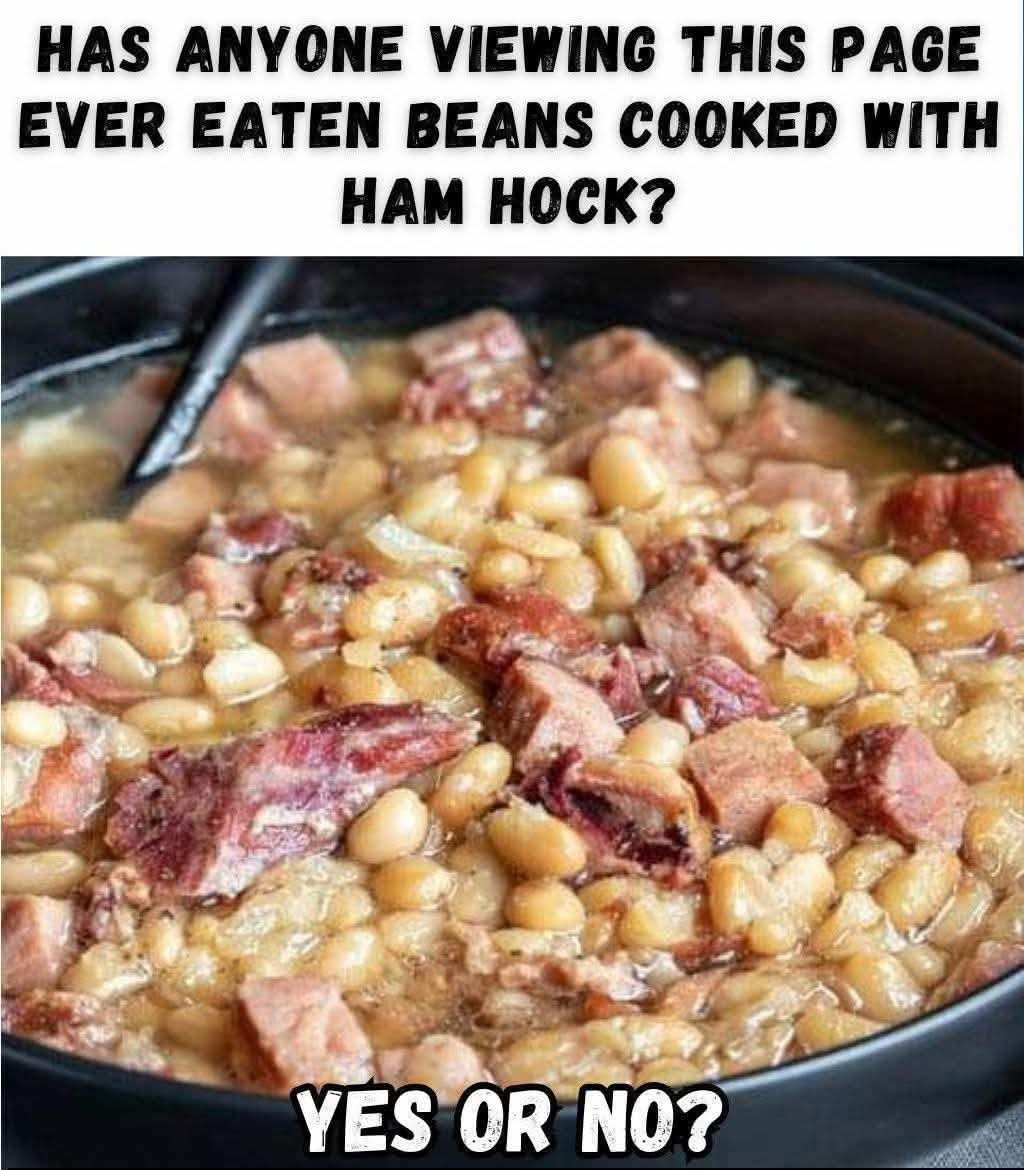
Here is a comprehensive, old-school guide to Ham and Bean Soup, crafted to be a complete resource for any home cook.
—
The Humble Hero: A Complete Guide to Old-School Ham and Bean Soup
There are certain dishes that act as a culinary time machine, transporting you back to a simpler, cozier time with just one whiff. Old-School Ham and Bean Soup is the quintessential example. It’s the soup that simmered on the back of grandma’s stove all day, filling the house with an irresistible aroma that meant warmth, comfort, and a hearty meal to come. This isn’t a fancy, deconstructed, or modernized dish. This is a bowl of pure, unadulterated nostalgia. It’s the genius of transforming simple, humble ingredients—a leftover ham bone, a bag of dried beans, and a few aromatics—into a pot of liquid gold. This guide will not only give you the definitive recipe but will also walk you through every step, tip, and trick to ensure your soup is the best it can possibly be. Get ready to create a pot of soup that will become a cherished tradition in your own home. Don’t lose this recipe!
—
A Taste of History: From Humble Beginnings to Hearty Comfort
The story of ham and bean soup is the story of frugal, resourceful cooking found in cultures across the globe. Its roots run deep, particularly in cuisines where preserving meat and utilizing every last scrap was a way of life.
· Ancient Foundations: Beans have been a dietary staple for thousands of years, providing essential protein and fiber. The practice of smoking and curing meat, like ham, developed as a way to preserve it before refrigeration. It was a natural progression to combine these two shelf-stable items.
· European Ancestry: Versions of bean and pork soups are foundational in many European countries. Think of the French Cassoulet, the hearty Portuguese bean stews, or the simple Italian Pasta e Fagioli. When Europeans immigrated to the Americas, they brought these traditions with them.
· American Adaptation: In the United States, the dish became particularly associated with rural areas and, most famously, with the country’s diners and lunch counters. It was a menu staple, often made with the leftover ham bone from a Sunday dinner or a holiday feast. It was inexpensive to make, could feed a crowd, and only got better as it sat on the warmer throughout the day. This is the “old-school” version we know and love today—a testament to the idea that the best meals often come from what you have on hand.
—
The Art of the Upgrade: Why This Recipe Works (Pro Tips Included)
A great old-school recipe is simple, but a few key techniques can elevate it from good to unforgettable. Here are the secrets that take this soup to the next level:
1. The Ham Bone is Non-Negotiable: A ham hock or a meaty ham bone is the soul of this soup. As it simmers, it releases gelatin and collagen, creating a broth that is rich, velvety, and full-bodied in a way that store-bought broth can only dream of. The little bits of ham that fall off the bone are a bonus.
2. Don’t Skip the Sauté (Mirepoix Matters): Sautéing the “holy trinity” of vegetables—onion, carrots, and celery—before adding any liquid is crucial. This step, known as creating a mirepoix, softens the vegetables and, more importantly, draws out their natural sugars and deepens their flavor, providing a savory foundation for the entire soup.
3. Low and Slow is the Way to Go: Rushing this soup is a crime. A long, gentle simmer allows the beans to become perfectly creamy without bursting, and the flavors from the ham bone, vegetables, and herbs have time to meld and marry into a cohesive, harmonious whole.
—
The Complete Old-School Ham and Bean Soup Recipe
This recipe yields a large, satisfying pot of soup, perfect for a family dinner and for leftovers, which are even better the next day.
YIELD: 8-10 servings
PREP TIME: 20 minutes (plus overnight bean soaking)
COOK TIME: 2.5 – 3.5 hours
Ingredients
· For the Soup Base:
· 1 lb (about 2 cups) dried navy beans or great northern beans
· 1 meaty ham bone or 2 smoked ham hocks
· 2 tablespoons olive oil or unsalted butter
· 1 large yellow onion, chopped
· 2 large carrots, peeled and diced
· 2 celery stalks, diced
· 3 cloves garlic, minced
· 8 cups low-sodium chicken broth or water
· 2 bay leaves
· 1 teaspoon dried thyme
· ½ teaspoon dried rosemary
· Salt and freshly ground black pepper, to taste
· For Finishing & Garnish:
· 2 cups diced cooked ham (from a ham steak or leftover roast ham)
· 1 tablespoon chopped fresh parsley
· (Optional) A splash of apple cider vinegar or hot sauce, for brightness
Instructions: A Step-by-Step Method to Perfection
1. Prep the Beans (The Night Before): Rinse the dried beans in a colander under cold water, picking out any small stones or shriveled beans. Place them in a large bowl and cover with at least 3 inches of cold water. Let them soak overnight at room temperature. The next day, drain and rinse them well. (See “Formation” below for a quick-soak method).
2. Sweat the Vegetables: In a large Dutch oven or heavy-bottomed pot, heat the olive oil over medium heat. Add the chopped onion, carrots, and celery. Cook, stirring occasionally, until the vegetables have softened, about 8-10 minutes. This is your flavor foundation. Add the minced garlic and cook for another minute until fragrant.
3. Build the Broth: Add the ham bone (or hocks) to the pot. Pour in the 8 cups of chicken broth or water. The liquid should mostly cover the bone. Toss in the bay leaves, dried thyme, and dried rosemary.
4. Add the Beans and Simmer: Add the soaked and drained beans to the pot. Bring the entire mixture to a boil, then immediately reduce the heat to low, cover, and let it simmer gently.
5. The Long, Patient Cook: Let the soup simmer for 2 to 3 hours. Stir occasionally, scraping the bottom to ensure nothing is sticking. The soup is ready when the beans are completely tender and starting to break down, which naturally thickens the broth.
6. Remove the Bone and Shred the Meat: Carefully remove the ham bone or hocks from the pot and set it on a cutting board until it’s cool enough to handle. Use a fork to pull off any bits of tender, smoked meat from the bone. Discard the bone, any fat, and the bay leaves.
7. Add the Finishing Ham and Adjust: Return the shredded ham meat to the pot. Add the 2 cups of diced cooked ham. Stir and let it simmer for another 15-20 minutes to warm the ham through.
8. Season and Serve: This is the most important step! Remove the pot from the heat. Taste the soup and season generously with salt and pepper. Remember, the ham is salty, so you may need less salt than you think. A final touch of fresh parsley adds color and freshness. For an extra layer of flavor, stir in a tiny splash of apple cider vinegar or a few dashes of your favorite hot sauce right before serving.
—
Serving Suggestions & The Joy of Leftovers (For the Lovers)
· How to Serve: Ladle the soup into deep bowls. A sprinkle of fresh parsley adds a pop of color. It’s a meal in itself, but for the full experience, serve it with a wedge of crusty bread, a few saltine crackers, or a side of warm cornbread for dipping and sopping up every last drop of the savory broth.
· For the Lovers of Leftovers: This soup is a gift that keeps on giving. In fact, it’s often better the next day. The flavors continue to meld in the refrigerator. Store it in an airtight container for up to 5 days.
· Freezing for the Future: This soup freezes beautifully. Portion it into freezer-safe bags or containers, leaving a little headroom for expansion. It will keep for up to 3 months. Thaw overnight in the refrigerator before reheating gently on the stovetop.
—
The Science of the Soup: Formation & Nutrition
· Formation: The Quick-Soak Method
If you forget to soak your beans overnight, don’t despair! Use the “quick-soak” method. Rinse the beans and place them in your pot. Cover with about 3 inches of water. Bring to a rolling boil and cook for 2 minutes. Remove from the heat, cover the pot, and let it sit for 1 hour. Then, drain and rinse the beans. They are now ready to use. Note that beans contain complex sugars called oligosaccharides that our bodies can’t digest, which can lead to gas. Soaking helps to break these down and reduces their effect. Always discard the soaking water and rinse the beans to wash away those indigestible sugars.
· Nutrition: A Powerhouse in a Bowl
This soup is not just comfort food; it’s a nutrient-dense meal.
· High in Fiber: Beans are an exceptional source of both soluble and insoluble fiber, which aids digestion, promotes gut health, and helps lower cholesterol.
· Lean Protein: Both the beans and the ham provide a significant amount of protein, making this soup a satisfying and muscle-building meal.
· Packed with Vitamins and Minerals: It’s rich in iron, folate, potassium, and magnesium from the beans, and vitamin A from the carrots. The long simmer also extracts minerals from the ham bone into the broth.
—
Conclusion: A Bowl of Tradition
Old-School Ham and Bean Soup is more than just a recipe; it’s a story of resourcefulness, a bowl of pure comfort, and a connection to generations of cooks who understood the magic of simple, honest ingredients. It’s the perfect meal for a chilly day, a way to use up holiday leftovers, or simply a dish to make your house feel like a home. By following these steps and tips, you’re not just making soup; you’re creating a memory. So, dig out that ham bone, grab a bag of beans, and start a new tradition in your own kitchen. This is the recipe you’ll come back to time and time again. Enjoy!