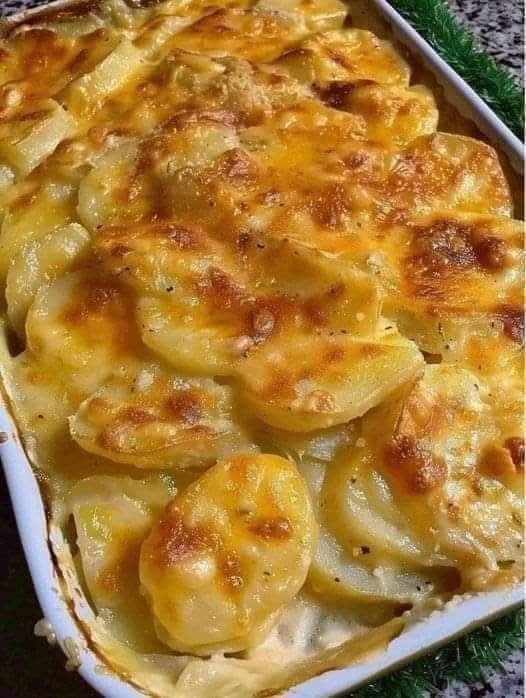
Of course! Here is a comprehensive guide to creating the “Best Scalloped Potatoes,” inspired by the simple, classic ingredients you’ve provided. We’ll explore everything from a detailed recipe to the dish’s rich history and surprising benefits.
The Ultimate Scalloped Potatoes: A Labor of Love
This recipe is an ode to comfort food. It takes your simple list of ingredients—potatoes, butter, flour, milk, salt, and green onion—and transforms them into a dish that is far greater than the sum of its parts. The process is a gentle science, where a few basic techniques unlock a world of creamy, savory flavor. This isn’t just a side dish; it’s a warm, golden-brown hug on a plate, perfect for holidays, family dinners, or any time you want to create something truly special.
Ingredients
This recipe serves 4-6 as a hearty side dish.
· 4 cups thinly sliced potatoes (about 2-3 large potatoes)
· 3 tablespoons unsalted butter, plus more for greasing the dish
· 3 tablespoons all-purpose flour
· 1 ½ cups whole milk (for the best creamy texture, avoid skim)
· 1 teaspoon salt, or to taste
· ½ cup sliced green onions (scallions), plus extra for garnish
· ¼ teaspoon freshly ground black pepper
· Optional but recommended: ½ cup shredded sharp cheddar or Gruyère cheese for a golden, bubbly crust.
Instructions: Let’s Get Cooking
Follow these steps for scalloped potato perfection.
Step 1: Preparation and Preheating
Preheat your oven to 375°F (190°C) . Thoroughly butter a 1.5-quart baking dish to prevent sticking and add flavor.
Step 2: Make the Roux
In a medium saucepan over medium heat, melt the 3 tablespoons of butter. Once melted, whisk in the 3 tablespoons of flour. Cook this mixture, stirring constantly, for about 1-2 minutes. This cooks the raw taste out of the flour and is the foundation of your sauce. Do not let it brown.
Step 3: Create the Cream Sauce
Slowly pour the milk into the roux while continuously whisking to prevent lumps. Add the salt and pepper. Continue to cook and stir until the sauce thickens and comes to a gentle simmer. It should be smooth and coats the back of a spoon. Remove from heat.
Step 4: Assemble the Dish
Place a single, even layer of your thinly sliced potatoes in the buttered baking dish. Sprinkle a small amount of the sliced green onions over the potatoes. Pour a portion of the warm cream sauce over this layer, just enough to coat. Repeat these layers—potatoes, green onions, cream sauce—until you’ve used all the ingredients, finishing with a final layer of cream sauce on top.
Step 5: The Bake
Cover the baking dish with foil and bake for 45 minutes. The foil traps steam and ensures the potatoes cook through evenly.
Step 6: The Finish
After 45 minutes, remove the foil. If you’re using cheese, sprinkle it evenly over the top now. Return the dish to the oven, uncovered, and bake for another 15-20 minutes, or until the top is golden brown and bubbly, and the potatoes are tender when pierced with a fork.
Step 7: Rest and Serve
Remove from the oven and let the scalloped potatoes rest for at least 10-15 minutes before serving. This crucial step allows the sauce to thicken and set, making it easier to serve and even more delicious. Garnish with fresh, sliced green onions.
Mastering the Method: Tips for the Best Results
· The Right Potato is Key: Use starchy potatoes like Russets. They are high in starch, which absorbs the creamy sauce beautifully and helps thicken it naturally as they bake. Waxy potatoes (like red skins) hold their shape too well and can result in a watery dish .
· Thin, Even Slices: For uniform cooking, slice your potatoes thinly, about ⅛-inch thick. A mandoline slicer is the perfect tool for this job, but a sharp knife and a steady hand work great too .
· Don’t Rush the Rest: As mentioned, letting the dish rest after baking is non-negotiable for the perfect texture.
A Bite of History
The origin of the term “scalloped” is a charming mystery. One popular theory suggests it comes from the old English practice of baking fish or oysters in a creamy sauce and serving them in a scallop shell . Another theory traces it to the French word “escalope,” meaning a thin slice of food . Regardless of its name’s origin, the dish we know today—creamy, baked sliced potatoes—became a staple in English and Irish home cooking. As Irish immigrants spread across the globe, they brought their beloved recipes with them, making scalloped potatoes a cherished dish in places like Australia and North America . A fun fact: in Australia today, what Americans call “scalloped potatoes” is a creamy baked dish, while “potato scallops” refer to a different snack of battered and deep-fried potato slices .
Formation: The Simple Science of a Classic Dish
The magic of scalloped potatoes lies in the gentle science of its formation. The starch from the potatoes acts as a natural thickener, combining with the flour and butter roux to create a rich sauce. As the dish bakes, the milk proteins and fats create a creamy texture. The steam trapped under the foil cooks the potatoes through, and the final uncovered bake allows the Maillard reaction to occur—a chemical reaction between amino acids and reducing sugars that gives the top its irresistible golden-brown color and deep, savory flavor.
The Lovers: Who Will Adore This Dish
This dish is for the comfort food connoisseur, the one who believes that a simple, well-made meal is an act of love. It’s for the holiday host looking for a dependable, show-stopping side that pairs perfectly with ham, roast beef, or turkey. It’s for the family cook who wants to fill the kitchen with warm, inviting aromas. And most of all, it’s for anyone who has ever taken a bite of creamy, tender, perfectly seasoned potatoes and felt instantly at home.
Nutrition: A Closer Look
While scalloped potatoes are undoubtedly a decadent comfort food, they also offer some nutritional value, primarily from their star ingredient.
Here is an approximate nutritional breakdown for a 1-cup serving, based on the recipe provided :
Nutrient Approximate Amount
Calories ~250-320
Total Fat ~8-10g
Saturated Fat ~5g
Cholesterol ~25mg
Sodium ~400mg
Total Carbohydrate ~40-52g
Dietary Fiber ~4-5g
Total Sugars ~6g
Protein ~6-8g
Key Vitamins & Minerals
Potassium ~900mg
Vitamin C ~15mg
Calcium ~150mg
Note: Nutritional values will vary based on the specific ingredients used (e.g., type of milk, addition of cheese).
The potatoes provide a good source of potassium, which is vital for heart and muscle function, and Vitamin C, an important antioxidant. Leaving the skins on, if you prefer a more rustic dish, will also increase the fiber content .
Conclusion
In my humble opinion, these truly are the best scalloped potatoes. Starting from a foundation of just a few humble ingredients and building them with care, you create a dish that is creamy, flavorful, and deeply satisfying. It’s a testament to the beauty of simple cooking—a recipe that invites you to slow down, follow a process, and ultimately share something wonderful with the people you love. Whether you stick to the classic version or add your own twist, this dish is sure to become a beloved favorite.
Lovers of scalloped potatoes, this one’s for you. Enjoy