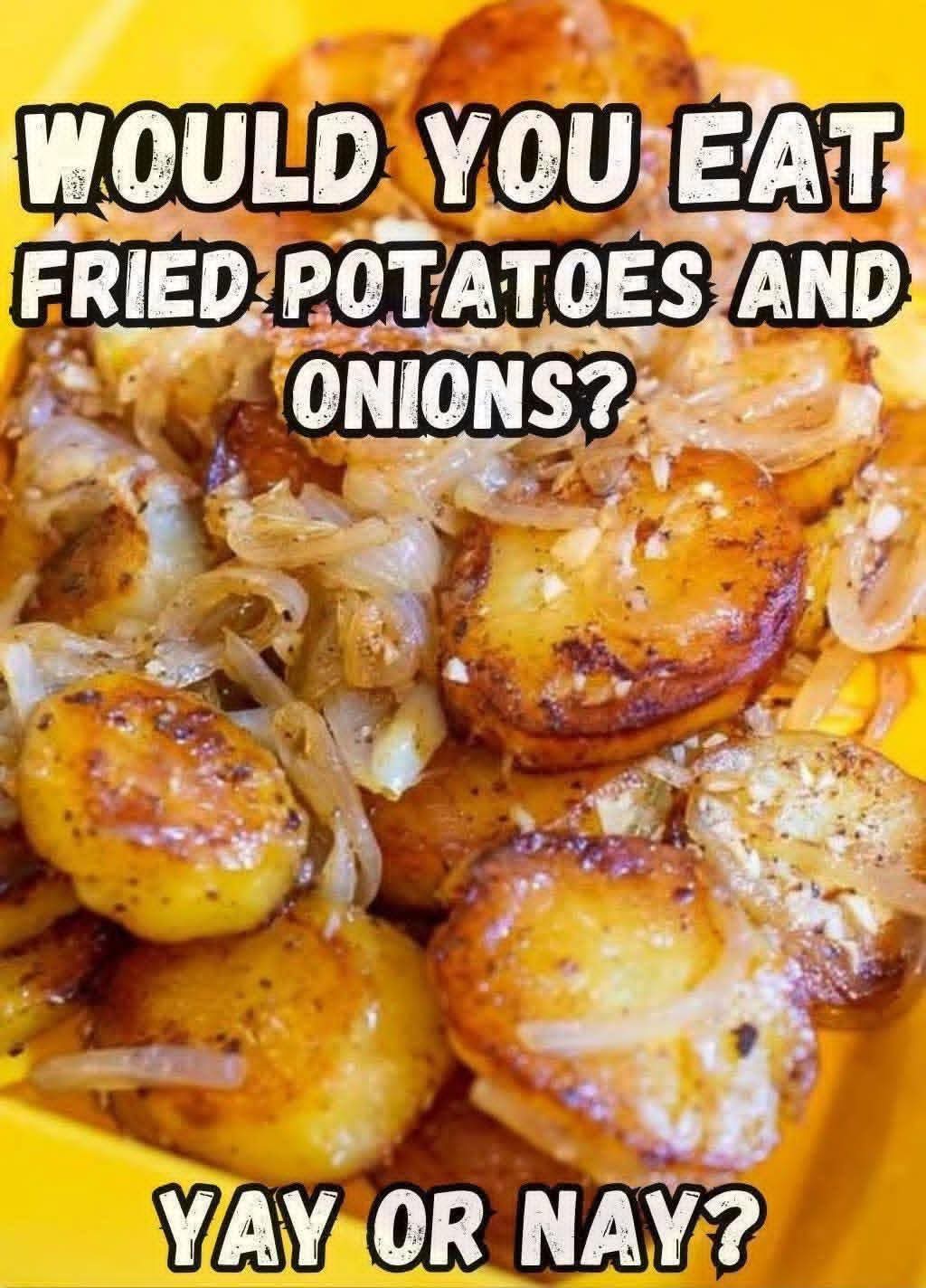
Here is a massive, all-in-one guide to the classic comfort dish: Fried Potatoes and Onions. It’s structured exactly as you requested, blending history, recipe, benefits, and more.
—
The Ultimate Guide to Fried Potatoes & Onions
Introduction: The Sizzle of Simplicity
There is a smell that transcends culture and class—the sound of onions hitting hot fat, followed by the gentle shush of sliced potatoes. It is the scent of home, of Saturday mornings, of hearty dinners, and of culinary simplicity at its finest. Fried potatoes and onions is not just a side dish; it is a global staple, a testament to the fact that the most humble ingredients, treated with care, can create the most profound satisfaction. This guide celebrates that dish in all its golden, caramelized glory.
A Bite of History: From Humble Beginnings to Global Staple
The combination of allium (onions) and tuber (potatoes) is a relatively modern one in the grand scheme of food history, as the potato is a New World crop.
· Pre-Columbian Era: Potatoes originated in the Andes of South America, where indigenous peoples cultivated them for thousands of years. Onions have an even older history, believed to have originated in Central Asia and used by the ancient Egyptians, Greeks, and Romans.
· The Columbian Exchange (16th Century): This was the turning point. Spanish conquistadors brought the potato back to Europe. Initially met with suspicion, it eventually became a critical food source for the poor, prized for its caloric density and ease of growth.
· The Marriage of Flavors: As the potato spread across Europe, it naturally met the onion, a vegetable already deeply embedded in European cooking. The combination was a match made in heaven. The sharp, pungent onion softened and sweetened as it cooked, perfectly complementing the starchy, mild potato. From the British “bubble and squeak” to the Spanish patatas con cebolla and the classic American diner breakfast hash, this duo became a universal language of comfort food.
—
The Big Recipe: Classic Diner-Style Fried Potatoes & Onions
This recipe focuses on achieving the perfect texture: crispy on the outside, fluffy on the inside.
Formation: The Philosophy of the Fry
The formation of this dish is about the Maillard reaction—the browning of food that creates deep, savory flavors. Our goal is to maximize surface area contact with the pan without overcrowding, which would steam the potatoes instead of frying them.
Ingredients
· 2 lbs (about 900g) Russet or Yukon Gold potatoes: Russets are starchy and ideal for a fluffy interior and crispy crust. Yukon Golds are buttery and hold their shape slightly better.
· 1 large yellow or white onion: Yellow onions are the workhorse, becoming wonderfully sweet and caramelized.
· 3-4 tablespoons high-smoke-point fat: This is crucial. Use clarified butter (ghee), bacon fat, duck fat, avocado oil, or a mix of butter and vegetable oil. Regular butter alone will burn.
· 1 ½ teaspoons kosher salt (plus more to taste): Kosher salt’s larger grains are perfect for drawing out moisture and seasoning evenly.
· 1 teaspoon freshly ground black pepper
· Optional additions:
· 1 teaspoon smoked paprika
· 2 cloves garlic, minced (add in last 5 minutes)
· Fresh herbs like rosemary, thyme, or parsley for garnish
Instructions & Methods: Step-by-Step to Perfection
Step 1: Prep the Ingredients (Mise en Place)
· Wash and scrub the potatoes thoroughly. You can peel them if you like, but the skin adds texture and nutrients. Cut them into a uniform ½-inch to ¾-inch dice. Uniformity ensures even cooking.
· Peel the onion and cut it into a similar-sized dice.
Step 2: The Par-Cook (The Secret to Fluffiness)
· Place the diced potatoes in a large pot and cover with cold water by about an inch. Add a generous tablespoon of salt to the water. This seasons the potatoes from within.
· Bring to a boil, then reduce to a simmer. Cook for only 3-4 minutes. You want the edges to soften slightly but the center to still be firm. They should offer a little resistance when pierced with a knife. Do not overcook!
· Drain the potatoes in a colander and let them steam dry for a few minutes. This removes excess surface moisture, which is the enemy of crispiness.
Step 3: The Sear (The Path to Crispiness)
· Place your largest, heaviest skillet (cast iron is ideal) over medium-high heat. Add your chosen fat and let it heat until it shimmers.
· Carefully add the potatoes in a single, even layer. Do not crowd the pan! If necessary, cook in two batches. Crowding will trap steam and make them soggy.
· Let the potatoes cook undisturbed for 4-5 minutes, until the bottom side is deep golden brown and crispy.
Step 4: Add the Onions & Finish
· Give the potatoes a good stir. Push them to the sides, creating a space in the center of the pan.
· Add the diced onions to the center with a pinch of salt. Let them cook for 2 minutes, then toss everything together.
· Continue to cook, stirring occasionally, for another 10-15 minutes. The onions will soften, caramelize, and mingle with the potatoes. If using garlic or paprika, add them in the last 5 minutes of cooking to prevent burning.
· Season generously with salt and pepper. Taste and adjust.
Step 5: Rest and Serve
· Once the potatoes are tender all the way through and the onions are jammy and sweet, remove from heat.
· If using fresh herbs, toss them in now. Let the dish rest for 2-3 minutes before serving. This allows the crust to set.
—
The Lovers: Who Adores This Dish?
This dish is for everyone, but specifically, it is beloved by:
· The Home Cook: It’s forgiving, cheap, and almost impossible to truly ruin.
· The Breakfast Enthusiast: It’s the quintessential partner for eggs, bacon, and toast.
· The Vegetarian: It serves as a hearty, satisfying main course or a robust side.
· The Busy Parent: It’s a familiar, comforting side that pleases even picky eaters.
· The Gourmet: Chefs love it for its ability to showcase fundamental cooking techniques and high-quality ingredients.
Benefits: More Than Just Comfort
· Nutritional Value: Potatoes are a fantastic source of Vitamin C, potassium, and fiber (especially with the skin on). Onions are rich in antioxidants and prebiotic fibers that support gut health.
· Economic: This is one of the most budget-friendly meals you can make. Potatoes and onions are among the cheapest vegetables available.
· Versatility: It pairs with almost anything—steak, fish, sausages, eggs, or a simple green salad.
· Mood-Boosting: The carbohydrates provide energy, and the deeply savory, umami flavors from the browning trigger a genuine comfort response in the brain.
Nutritional Information (Approximate, per serving)
Serves 4 as a side dish.
· Calories: 220-280
· Fat: 8-12g (varies greatly by type and amount of oil used)
· Carbohydrates: 35-40g
· Fiber: 4-5g
· Protein: 4-5g
· Sodium: ~600mg (depending on salting)
Note: This is a general estimate. Using less oil will lower the fat and calorie count significantly.
Conclusion: The Dish That Keeps on Giving
So, WOULD YOU EAT FRIED POTATOES & ONIONS? The answer, for most of the world, is a resounding, enthusiastic YES. It is more than a recipe; it is a technique, a memory, and a canvas for creativity. Whether you enjoy it as a simple side with ketchup, a fancy brunch item topped with a poached egg, or a late-night snack straight from the pan, this dish is a timeless reminder that the best things in life are often the simplest. Go forth, get that pan hot, and make some memories.