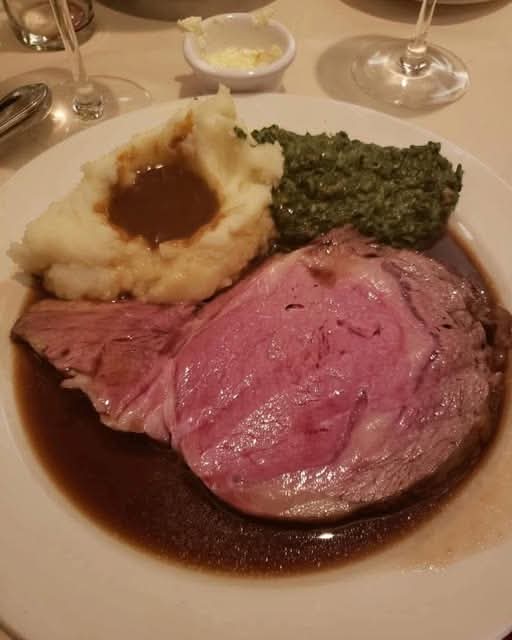
🥩 Prime Rib Roast — The Ultimate Showstopper
🤔 First Thought When I See Prime Rib?
Honestly? Celebration.
Prime rib isn’t just dinner — it’s an event. It’s the kind of roast you bring out for holidays, big family gatherings, or when you really want to impress. That deep brown crust, the juicy pink center… it instantly says comfort, luxury, and serious flavor.
👑 The Perfect Prime Rib Roast Recipe
🌟 Introduction
Prime rib, also known as a standing rib roast, is one of the most tender and flavorful cuts of beef. With its rich marbling and bold beef flavor, it delivers a juicy, melt-in-your-mouth experience. While it looks intimidating, it’s surprisingly simple when you follow the right method.
This is the kind of centerpiece that makes people pause before they even sit down.
🛒 Ingredients
For the Roast:
- 1 (4–6 lb) prime rib roast (bone-in preferred)
- 2 tbsp olive oil or softened butter
- 4 cloves garlic, minced
- 2 tbsp fresh rosemary, chopped
- 2 tbsp fresh thyme, chopped
- 2 tsp kosher salt
- 1½ tsp freshly ground black pepper
- 1 tsp onion powder
Optional Au Jus:
- 2 cups beef broth
- Pan drippings
- 1 tbsp butter
- 1 tsp Worcestershire sauce
🔥 Method 1: Classic Low & Slow (Best for Beginners)
🥩 Step-by-Step Instructions
- Bring to Room Temperature
Remove roast from refrigerator 2–3 hours before cooking. - Preheat Oven
Set oven to 450°F (230°C). - Season Generously
Mix oil, garlic, rosemary, thyme, salt, pepper, and onion powder.
Rub all over the roast. - Initial High Heat
Roast for 20 minutes at 450°F to create a crust. - Lower Temperature
Reduce oven to 325°F (160°C).
Cook until internal temperature reaches:- 120–125°F for rare
- 130–135°F for medium-rare
- 140°F for medium
- Resting is Key
Remove from oven and rest 20–30 minutes before slicing.
(Temperature will rise 5–10 degrees.)
🔥 Method 2: Reverse Sear (Extra Juicy)
- Roast at 250°F (120°C) until internal temp reaches 120°F.
- Remove and rest 30 minutes.
- Increase oven to 500°F (260°C).
- Return roast for 10–15 minutes to form a deep crust.
This method gives even pink color edge-to-edge.
🏛️ A Little History
Prime rib comes from the rib section of the cow, prized for its marbling and tenderness. In the UK, it’s famously served as part of traditional Sunday roast dinners. In the U.S., it became a luxury steakhouse staple in the 20th century, often associated with holiday feasts like Christmas and New Year’s.
Its name “prime” originally referred to USDA grading, though most grocery store prime rib today may be choice grade — but still delicious.
🧬 Formation (What Makes It So Special?)
- Marbling: Fat running through the meat keeps it juicy.
- Bone-In Structure: Adds flavor and helps insulate the meat.
- Crust Formation: High heat caramelizes the exterior.
- Resting Period: Allows juices to redistribute evenly.
Texture: Buttery tender
Flavor: Deep, rich, beefy
Appearance: Crispy outside, rosy center
❤️ Why Meat Lovers Go Crazy for Prime Rib
- It’s the king of roasts 👑
- Perfect balance of crust and tenderness
- Feels luxurious and indulgent
- Satisfying, hearty, comforting
- Ideal for sharing and celebration
When sliced thick and served with au jus or creamy horseradish sauce… it’s unforgettable.
🍽️ Perfect Side Pairings
- Garlic mashed potatoes
- Roasted carrots
- Creamed spinach
- Yorkshire pudding
- Fresh dinner rolls
🏁 Conclusion
Prime rib is not just food — it’s a moment. It’s the centerpiece that brings everyone to the table. When cooked properly, it’s tender, juicy, flavorful, and absolutely unforgettable.
If you love bold, comforting, satisfying meals, this roast will win your heart instantly.
💬 From One Food Lover to Another
If you enjoy rich, comforting recipes (like your baked favorites), this savory masterpiece is the perfect balance to your sweet creations.
One bite of perfectly cooked prime rib… and you’ll understand why people fall in love with it. 🥩🔥