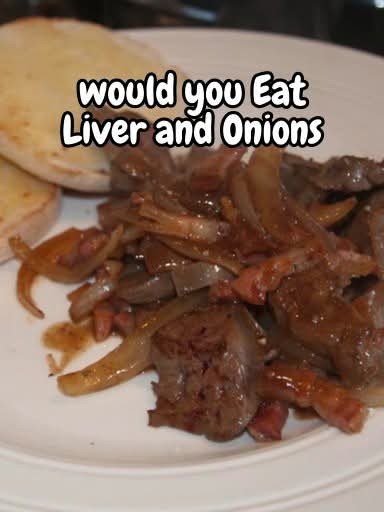
Here is a comprehensive guide to Liver and Onions, formatted as a grand, all-encompassing recipe and exploration of the dish.
—
The Quintessential Comfort Food: A Comprehensive Guide to Liver and Onions
Introduction
Liver and onions. For some, the name alone evokes fond memories of childhood dinners, the rich, savory aroma filling a warm kitchen. For others, it might conjure a sense of culinary dread, a relic of a bygone era of utilitarian cooking. But when prepared with care and respect for its main ingredient, liver and onions transcends its humble reputation to become a dish of profound depth, robust flavor, and incredible nutritional power.
This guide is not just a recipe; it’s a celebration of a classic. It will walk you through every step to achieve tender, flavorful liver with perfectly caramelized onions, while also delving into the dish’s storied past, its impressive health benefits, and why it has maintained a devoted following for centuries. Whether you’re a seasoned liver-lover or a curious first-timer, prepare to see this iconic dish in a new light.
—
Part I: The Recipe
The Philosophy of Preparation
The key to exceptional liver and onions lies in two fundamental steps: tenderizing and not overcooking. Liver is a muscle, but a very delicate one. It contains more blood and connective tissue than other cuts, which can lead to a tough, metallic-tasting result if handled poorly. Our recipe conquers these challenges, ensuring a melt-in-your-mouth experience.
Ingredients
(Serves 4)
· For the Liver:
· 1½ pounds beef liver, sliced into ½-inch thick strips. (Look for liver from grass-fed cattle for a milder, cleaner flavor).
· 2 cups whole milk, or enough to fully submerge the liver. (Buttermilk can be used for an even more pronounced tenderizing effect).
· ½ cup all-purpose flour, for dredging.
· 1 teaspoon salt.
· ½ teaspoon black pepper, freshly ground.
· ½ teaspoon smoked paprika, for a subtle smoky depth.
· For the Onions and Sauce:
· 4 tablespoons unsalted butter, divided.
· 2 tablespoons olive oil, divided.
· 3 large yellow or sweet onions, halved and thinly sliced. (Sweet onions like Vidalia or Walla Walla are excellent).
· 2 cloves garlic, minced.
· ½ cup beef broth or stock, preferably low-sodium.
· 2 tablespoons fresh parsley, chopped, for garnish.
Instructions / Method
1. The Milk Bath (Tenderizing): Place the sliced liver in a shallow dish and pour the milk over it, ensuring all pieces are submerged. Cover and refrigerate for at least 30 minutes, or up to 2 hours. This step helps to draw out any impurities and mellows the characteristic “livery” flavor, resulting in a more tender final product.
2. The Great Onion Caramelization: While the liver soaks, start the onions. In a large, heavy-bottomed skillet (cast iron is ideal), heat 2 tablespoons of butter and 1 tablespoon of olive oil over medium heat. Add the sliced onions. Cook slowly, stirring occasionally, for 20-25 minutes, until they are deeply golden, soft, and sweet. This low-and-slow process is where the magic happens. In the last 2 minutes, add the minced garlic and cook until fragrant. Transfer the onion mixture to a bowl and set aside.
3. Prepare the Liver: Drain the liver in a colander and pat it extremely dry with paper towels. This is crucial for a good sear. On a large plate or in a shallow dish, combine the flour, salt, pepper, and smoked paprika. Dredge each piece of liver in the seasoned flour, shaking off any excess.
4. The Sear (The Most Important Step): Wipe out the skillet and return it to medium-high heat. Add the remaining 2 tablespoons of butter and 1 tablespoon of olive oil. Once the butter is foaming and sizzling, carefully place the liver strips in a single layer, making sure not to overcrowd the pan. You may need to do this in two batches.
· Sear for just 1-2 minutes per side. You are looking for a golden-brown crust. The liver should still feel slightly springy to the touch. Overcooking is the enemy of good liver.
5. Bringing it Together: Use tongs to transfer the cooked liver to a warm plate. Don’t worry if it’s slightly underdone in the center; it will finish cooking with residual heat. Immediately return the caramelized onions to the skillet.
6. Making the Pan Sauce: Pour the beef broth into the hot skillet, scraping up any browned bits (fond) from the bottom with a wooden spoon. Let it bubble and reduce by half, about 1-2 minutes.
7. Finish and Serve: Return the liver and any accumulated juices to the skillet, nestling it into the onions. Warm through for just 30 seconds. Garnish generously with fresh parsley and serve immediately.
—
Part II: The Story of a Classic
History & Formation
The origins of liver and onions are not found in a single cookbook or a famous chef’s kitchen. Instead, it is a dish born of peasant thrift and necessity, a cornerstone of “nose-to-tail” eating practiced for centuries across Europe.
For generations, offal—the organ meats of an animal—was not a delicacy but a staple. When a family butchered a pig or a cow, nothing was wasted. The prized muscle meats like steaks and roasts were often sold or saved for special occasions, while the liver, heart, and kidneys were consumed promptly, as they spoiled fastest. Liver, being the largest organ, provided a substantial and affordable meal.
Onions, a hardy vegetable that could be stored through winter, were the perfect accompaniment. Their sharp, pungent flavor was ideal for counterbalancing the richness of the liver, and their natural sugars, when coaxed out through slow cooking, created a savory-sweet contrast that elevated the entire dish.
The method was simple: fry the liver in a pan with some fat (lard or bacon drippings) and serve it with onions cooked down in the same pan. This simple formula became a staple in British, German, and American working-class homes, a symbol of hearty, no-nonsense cooking that provided maximum flavor and nutrition for minimal cost.
Lovers of the Dish
Liver and onions has always had a dedicated following. It was a favorite of Winston Churchill, who reportedly insisted on having it on the menu at Chequers, the British Prime Minister’s country retreat. In popular culture, it was the preferred meal of the character Jim Rockford in the 1970s TV show “The Rockford Files,” often eaten straight from the takeout container.
Today, its lovers are a diverse group: from traditionalists who cherish the nostalgia of their grandmother’s cooking, to health-conscious foodies who have rediscovered liver’s unparalleled nutritional density, to chefs in the farm-to-table movement who champion the use of the whole animal.
—
Part III: The Science and Soul of the Dish
Benefits & Nutrition
Beyond its rich flavor, liver is widely considered one of the most nutrient-dense foods on the planet. A single serving provides a powerful punch of bioavailable vitamins and minerals.
· Vitamin A Powerhouse: Liver is exceptionally rich in preformed Vitamin A (retinol), crucial for healthy vision, immune function, and skin health.
· B Vitamin Complex: It’s one of the best sources of Vitamin B12, which is essential for nerve tissue health, brain function, and the formation of red blood cells. It’s also packed with other B vitamins like folate, riboflavin, and B6.
· Essential Minerals: Liver is loaded with highly absorbable iron (heme iron), which is vital for preventing anemia. It’s also an excellent source of copper, zinc, and phosphorus.
· High-Quality Protein: It provides all the essential amino acids your body needs to build and repair tissue.
Formation (The Culinary Science)
The success of this dish hinges on understanding a few simple scientific principles:
1. The Soak: Milk contains casein, a protein that binds to the compounds in liver (like iron) that can cause a metallic taste. The soak helps to draw these out, resulting in a milder flavor. The milk’s acidity also helps to slightly break down the liver’s proteins, contributing to tenderness.
2. The Sear (The Maillard Reaction): When the floured surface of the liver hits the hot pan, the amino acids and reducing sugars react, creating hundreds of new flavor compounds and that irresistible brown crust. This is the Maillard reaction, and it’s the foundation of savory depth.
3. The Pan Sauce (Deglazing): The browned bits left in the pan after searing are pure, concentrated flavor. Adding the broth and scraping them up (deglazing) dissolves these compounds, creating a rich, savory sauce that is the perfect final touch.
—
Part IV: The Final Word
Conclusion
Liver and onions is far more than the sum of its humble parts. It is a dish with a soul, a direct link to a culinary past where resourcefulness and respect for ingredients were paramount. It is a testament to the fact that the most nourishing foods can also be the most comforting.
By following this guide, you move beyond the fear of overcooked, metallic-tasting liver and unlock its true potential: a plate of tender, savory morsels, sweet caramelized onions, and a rich, glossy sauce. It is a meal that satisfies on every level—nutritionally, historically, and gastronomically.
So, the next time you’re looking for a dinner with depth, character, and incredible health benefits, remember the classic. Give liver and onions the care it deserves, and it will reward you with one of the most satisfying meals you’ll ever eat.