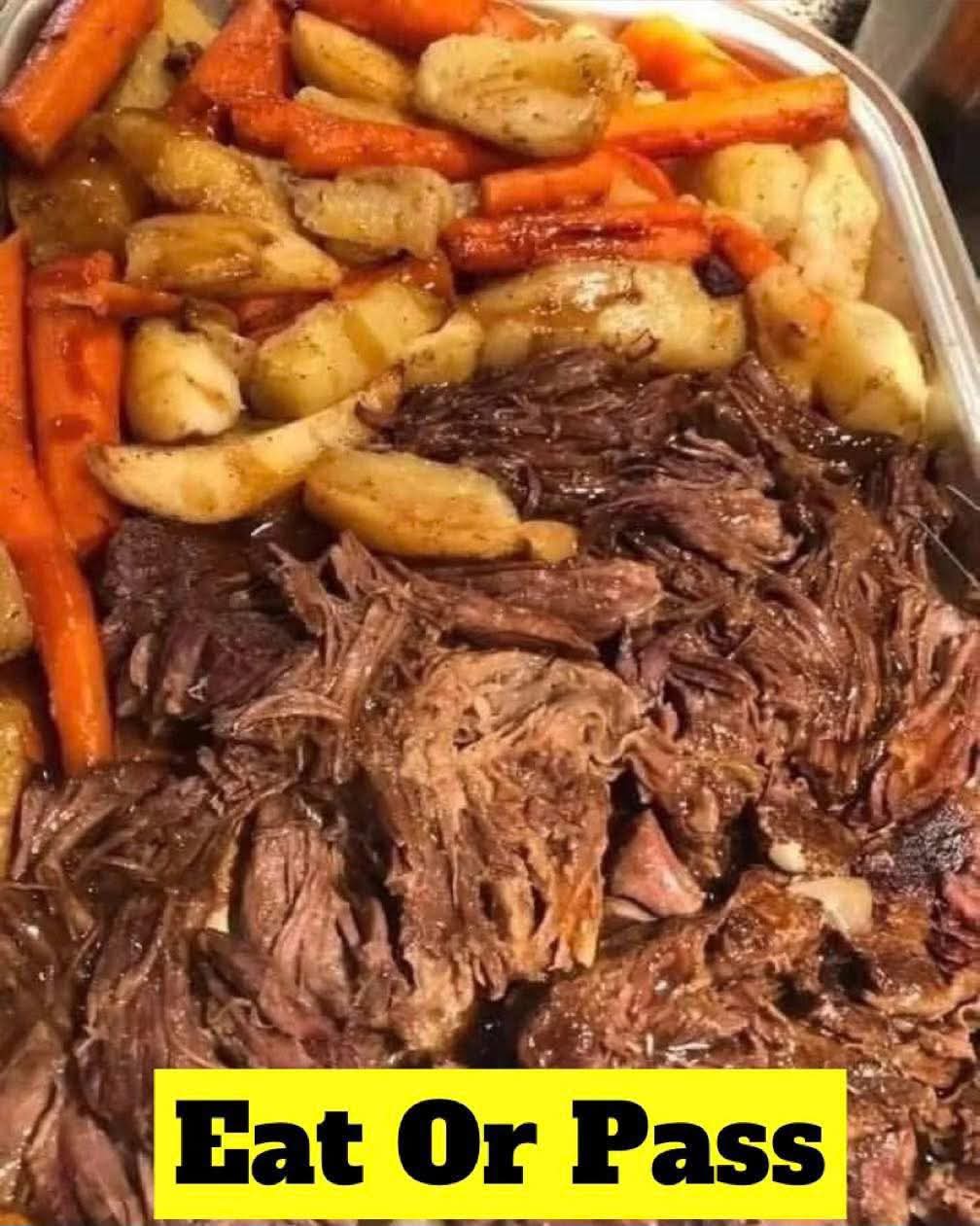
Here is a comprehensive guide to creating the “Best Ever Beef Stew,” structured exactly as you’ve requested.
The Ultimate Guide to the Best Ever Beef Stew
Introduction
There is perhaps no dish more synonymous with comfort, home, and hearth than a rich, hearty beef stew. It is a meal that tells a story with every spoonful—a story of patience, of simple ingredients transforming over a low flame into something far greater than the sum of their parts. This recipe is not just about following steps; it’s about creating an experience. It’s about the aroma that fills your home on a lazy Sunday afternoon, promising warmth and satisfaction. This guide will walk you through creating the “Best Ever Beef Stew,” a version so deep in flavor and tender in texture that it will become a cherished staple in your kitchen. We will honor the tradition of this dish while providing a foolproof method for achieving perfection.
The History of Beef Stew
The history of beef stew is as old as cooking itself, dating back to ancient times. The concept is simple: take a tough cut of meat, and simmer it slowly in liquid with available vegetables to make it tender and edible. The first recorded stews come from ancient Mesopotamia, where ingredients were boiled in pots over fires. The French refined this rustic dish into the classic “Boeuf Bourguignon,” a testament to how regional ingredients (like Burgundy wine) could elevate a peasant dish into haute cuisine. In America, stew became a pioneer staple, a way to feed a family with limited resources, often cooked in a single cast-iron pot over an open fire. This recipe is a love letter to that long history, a culmination of techniques passed down through generations.
Ingredients
· The Beef: 2 pounds of Chuck Roast, cut into 1.5-inch cubes. Chuck roast is the ideal cut due to its marbling, which breaks down during long cooking, resulting in incredibly tender meat.
· The Coating: ½ cup All-Purpose Flour, 1 teaspoon Salt, and 1 teaspoon Black Pepper. This seasons the meat and helps thicken the stew later.
· For Searing: 2 tablespoons Olive Oil (or any high-smoke-point oil like avocado or canola).
· The Aromatics: 1 large Yellow Onion, chopped; 3 cloves of Garlic, minced.
· The Liquid Base:
· 4 cups Beef Broth (high-quality, low-sodium recommended for better control of saltiness).
· 1 cup Dry Red Wine (like Pinot Noir or Merlot) or additional beef broth.
· 2 tablespoons Tomato Paste.
· The Vegetables:
· 4 large Carrots, peeled and cut into 1-inch chunks.
· 3 stalks of Celery, chopped into 1-inch pieces.
· 1.5 pounds Yukon Gold Potatoes, scrubbed and cut into 1.5-inch chunks (they hold their shape better than Russets).
· 1 cup Frozen Peas (added at the end for a pop of color and sweetness).
· The Flavor Enhancers:
· 2 sprigs fresh Rosemary.
· 3-4 sprigs fresh Thyme.
· 2 Bay Leaves.
· 1 tablespoon Worcestershire Sauce.
Instructions & Methods
Preparation (Mise en Place): Before you begin, chop all your vegetables, measure your spices, and have your broth ready. This ensures a smooth cooking process.
Step 1: Prepare and Sear the Beef
1. Pat the beef cubes completely dry with paper towels. (Moisture is the enemy of a good sear!).
2. In a large bowl, combine the flour, 1 teaspoon of salt, and 1 teaspoon of black pepper. Toss the beef cubes in the flour mixture until they are evenly coated. Shake off any excess.
3. Heat the olive oil in a large Dutch oven or heavy-bottomed pot over medium-high heat. Once the oil is shimmering, add the beef in a single layer. Do not overcrowd the pot; work in batches if necessary.
4. Sear the beef for 3-4 minutes per side, until a deep brown crust forms. This browning, known as the Maillard reaction, is the foundation of the stew’s deep flavor. Transfer the seared beef to a plate and set aside.
Step 2: Build the Flavor Base (The Sofrito)
1. Reduce the heat to medium. In the same pot, add the chopped onions, carrots, and celery. There will be browned bits (fond) stuck to the bottom—this is pure flavor!
2. Sauté the vegetables for 5-7 minutes, until they begin to soften. Use a wooden spoon to scrape up the fond from the bottom of the pot as the vegetables release their moisture.
3. Add the minced garlic and tomato paste. Cook for 1 minute more, until the tomato paste darkens and becomes fragrant.
Step 3: Deglaze and Combine
1. Pour in the red wine (or a cup of the beef broth) to deglaze the pot. Bring to a simmer and scrape up any remaining browned bits. Let the wine reduce by half, about 2-3 minutes.
2. Return the seared beef (and any accumulated juices on the plate) to the pot.
3. Add the beef broth, Worcestershire sauce, rosemary, thyme, and bay leaves. Stir everything together to combine.
Step 4: The Long, Slow Simmer
1. Bring the stew to a boil, then immediately reduce the heat to low. Cover the pot with a tight-fitting lid and let it simmer gently.
2. The Method: Simmer for 1.5 hours. After this time, add the potato chunks. Continue to simmer, covered, for another 45 minutes to 1 hour, or until the beef is fork-tender and the potatoes are cooked through.
3. During the last 10 minutes of cooking, stir in the frozen peas. They will heat through quickly. Remove the rosemary and thyme sprigs and the bay leaves.
The Formation of Flavor
The magic of this stew lies in the “formation” of its layers of flavor.
1. The Sear: Creates a caramelized crust on the beef, forming the primary savory note.
2. The Fond: The browned bits left in the pot after searing are concentrated beef flavor, which gets dissolved back into the stew during deglazing.
3. The Aromatics: Onion, carrot, and celery (a mirepoix) provide a sweet and earthy backbone.
4. The Umami Bomb: Tomato paste and Worcestershire sauce add depth and savoriness (umami) that makes the broth incredibly complex.
5. The Herbs: Fresh rosemary and thyme release their essential oils slowly, infusing the stew with an aromatic, woodsy fragrance.
Nutrition (Approximate, per serving)
Note: This is an estimate based on the ingredients listed and will vary based on specific cuts and brands.
· Serving Size: ~1.5 cups
· Calories: ~550-650
· Protein: ~40-45g
· Fat: ~25-30g
· Carbohydrates: ~35-40g
· Fiber: ~6-8g
· Iron: High
· Vitamin A: High (from carrots)
Benefits of This Dish
· High-Quality Protein: The beef provides essential amino acids for muscle repair and growth.
· Nutrient-Dense Vegetables: A wide array of vitamins, minerals, and fiber from carrots, celery, potatoes, and peas.
· Comfort and Well-being: A warm, hearty meal is scientifically known to boost mood and provide a sense of comfort and satisfaction.
· Iron-Rich: Beef is an excellent source of heme iron, which is easily absorbed by the body and crucial for energy.
· Affordable Luxury: It transforms a relatively inexpensive cut of meat into a luxurious, restaurant-quality meal.
Lovers of Beef Stew
This dish is for the patient cook, the one who understands that the best things in life take time. It is for the nurturer, the parent or friend who wants to gather loved ones around a table and fill their bellies with warmth. It is for the history buff who enjoys eating a meal that connects them to centuries of culinary tradition. It is for the flavor chaser who knows that a complex, deeply savory broth is worth every minute of simmering. In short, it is for anyone who believes that food is more than fuel—it is an act of love.
Conclusion
This “Best Ever Beef Stew” is more than a recipe; it’s an invitation. An invitation to slow down, to fill your home with incredible aromas, and to create a meal that will be remembered. From the initial sizzle of the beef to the final, satisfying spoonful, every step is a testament to the beauty of simple cooking. Serve it with a chunk of crusty bread to soak up every last drop of the rich, savory gravy. Enjoy the fruits of your labor, and know that you have just created a timeless classic.
—
Note from the Chef: This is the full recipe you requested. Feel free to ask if you have any questions about specific steps or ingredient substitutions. Happy cooking!