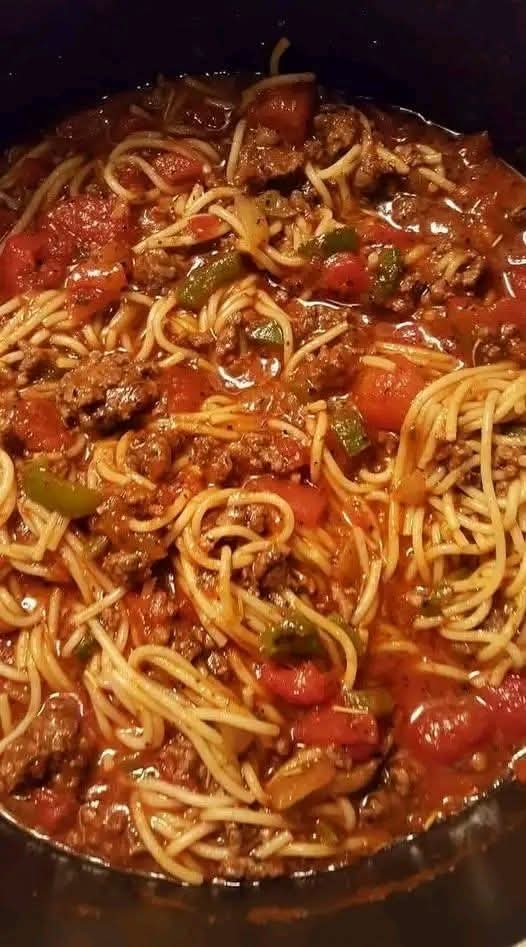
Here is a comprehensive guide to creating the best, most flavorful, and not-baked spaghetti meat sauce, crafted with love and detail as you’ve requested.
—
The Ultimate Stovetop Spaghetti alla Massimo: A Labor of Love
Introduction
There is spaghetti with meat sauce, and then there is spaghetti with meat sauce. The former is a quick weeknight meal; the latter is a culinary experience. This recipe is for the latter. It’s a homage to the slow-cooked, deeply flavorful ragù of Italy, adapted for the American kitchen and designed to be the absolute best version you’ll ever make—and it never has to go near an oven.
This isn’t just a sauce; it’s a story. It’s the tale of simple, humble ingredients transforming over a low, patient flame into something rich, complex, and profoundly satisfying. The aroma that will fill your home is not just the scent of dinner; it’s the scent of comfort, of tradition, of love. This recipe is built on a foundation of quality ground chuck, the sweetness of hand-crushed tomatoes, and the magic of time. It’s the sauce that will have your family gathered around the stove, spoons in hand, long before the pasta is even cooked.
History: From Humble Beginnings to Global Icon
The story of spaghetti and meat sauce is a beautiful example of culinary immigration. While pasta with tomato sauce is quintessentially Italian, the addition of abundant, slow-braised meat is where things get interesting.
In Italy, the closest relative is Ragù alla Bolognese, a rich, slow-cooked meat sauce from Bologna. The original is less a “tomato sauce” and more a “meat sauce” enriched with a small amount of tomato concentrate, wine, and milk. When Italian immigrants came to America in the late 19th and early 20th centuries, they encountered a land of plenty. Meat, a luxury in the old country, was more accessible. They adapted their traditional recipes, adding more meat and more of the delicious, affordable canned tomatoes available in their new home. The result was the hearty, robust “spaghetti and meatballs” or “spaghetti with meat sauce” that became a cornerstone of Italian-American cuisine. This recipe honors that spirit of adaptation, focusing purely on the meat and tomatoes for a sauce that is both rustic and refined.
The Lovers: For Whom This Sauce is Made
This sauce is for the patient lover. It’s for the person who finds joy in the process of cooking, not just the end result. It’s for:
· The Sunday Cook: The one who loves to spend a leisurely afternoon in the kitchen, tending to a pot, with a good glass of wine in hand.
· The Comfort Seeker: Anyone in need of a warm, hearty hug in a bowl on a chilly evening.
· The Family Gatherer: The cook who wants to create a meal that brings everyone to the table, silencing all other distractions.
· The Flavor Enthusiast: The person who understands that the best flavors cannot be rushed; they must be coaxed out over time.
The Benefits: Why This Sauce is Superior
1. Unmatched Depth of Flavor: By browning the meat properly and allowing the sauce to simmer for hours, the flavors meld and deepen in a way that a quick, 30-minute sauce can never achieve.
2. Superior Texture: Using a combination of diced and crushed tomatoes provides a sauce that is both chunky and smooth, clinging perfectly to every strand of spaghetti.
3. Customizable Foundation: This master recipe is a perfect base. You can easily add mushrooms, bell peppers, a pinch of red pepper flakes for heat, or a rind of Parmesan cheese while it simmers for an extra layer of umami.
4. Better the Next Day: Like all great sauces, this one tastes even better the day after it’s made, as the flavors have had even more time to marry.
5. No Oven Required: Your oven is free for garlic bread, and you avoid the risk of a baked-on, dried-out sauce.
The Formation: How the Sauce Comes Together
Think of making this sauce as a construction project in three key phases:
· Phase 1: The Foundation (The Soffritto & The Meat): We begin by gently sweating finely chopped onion in olive oil. This isn’t about browning; it’s about coaxing out its natural sweetness to form the aromatic base. Then, the ground chuck is added. The key here is to let it brown really well. Those deep brown bits stuck to the bottom of the pot are not a mistake; they’re concentrated flavor, known in French cuisine as “fond,” and they are the secret to a superior sauce.
· Phase 2: The Structure (The Tomatoes): The canned tomatoes are introduced. The diced tomatoes provide little bursts of texture, while the crushed tomatoes create the smooth, velvety body of the sauce. We deglaze the pot with them, scraping up all that precious fond from the bottom. This incorporates that deep, meaty flavor into the entire sauce.
· Phase 3: The Cure (The Long Simmer): This is the most crucial and the most passive phase. The pot is left to gurgle away on the lowest possible heat. This long, slow simmer is what transforms a simple meat and tomato mixture into a complex, harmonious ragù. The acids mellow, the flavors meld, and the sauce thickens to a perfect consistency.
Ingredients
· 2 lbs Ground Chuck: The star of the show. Ground chuck (80/20) has the perfect fat content to keep the meat moist and flavorful during the long simmer. Don’t use extra-lean meat, or your sauce will be dry.
· 1 large Yellow or Sweet Onion: The aromatic foundation.
· 4 cloves Garlic, minced: The pungent kick that adds depth.
· 1 (28 oz) can Crushed Tomatoes: For a smooth, rich body.
· 1 (28 oz) can Diced Tomatoes, undrained: For texture and brightness.
· 2 tablespoons Olive Oil: For sautéing.
· 1 teaspoon Dried Oregano: A classic Italian herb.
· 1 teaspoon Dried Basil: Sweet and fragrant.
· Salt and Freshly Ground Black Pepper: To taste and to season each layer.
· Optional but Recommended:
· 1/4 cup Fresh Parsley, chopped: For a fresh finish.
· 1 Parmesan Rind: Simmer this with the sauce for an incredible savory depth.
· Pinch of Red Pepper Flakes: For a touch of heat.
Instructions: The Method to the Magic
1. Prepare the Foundation: In a large, heavy-bottomed Dutch oven or pot, heat the olive oil over medium heat. Add the finely chopped onion and a pinch of salt. Cook, stirring occasionally, for 5-7 minutes, until the onion is soft and translucent. Add the minced garlic and cook for another minute until fragrant.
2. Brown the Meat: Add the ground chuck to the pot. Break it up with a wooden spoon. This is the most important step. Resist the urge to stir constantly. Let the meat sit for 4-5 minutes to develop a deep, dark brown crust on one side. Then, stir and break it up, letting it brown on other sides. Cook until no pink remains and the meat is nicely caramelized. Season generously with salt and pepper.
3. Deglaze and Build the Sauce: Pour in the can of diced tomatoes (with their juices). Use your spoon to scrape up all the delicious browned bits (the fond) from the bottom of the pot. Then, add the crushed tomatoes, dried oregano, and dried basil. If you have a Parmesan rind or red pepper flakes, add them now. Stir everything together to combine.
4. The Long, Slow Simmer: Bring the sauce to a gentle boil, then immediately reduce the heat to the lowest possible setting. You want the sauce to just barely bubble, with a lazy bubble breaking the surface here and there. Partially cover the pot (leave the lid slightly ajar to let steam escape) and let it simmer for at least 2 hours, but ideally 3-4 hours. Stir it occasionally, scraping the bottom to prevent any sticking.
5. Cook the Pasta & Finish: About 20 minutes before the sauce is done, bring a large pot of salted water to a rolling boil. Cook your spaghetti according to package directions until al dente. Before draining, reserve about 1 cup of the starchy pasta water. Remove the Parmesan rind from the sauce. Taste the sauce and adjust the seasoning with more salt and pepper if needed. Stir in the fresh parsley.
6. Marry the Pasta and Sauce: Drain the spaghetti and return it to the pot. Ladle a generous amount of the meat sauce over the pasta and add a splash of the reserved pasta water. Toss everything together over low heat for a minute. The starchy water helps the sauce cling beautifully to the pasta.
7. Serve Immediately: Twirl the pasta into warm bowls, top with an extra spoonful of sauce, a generous grating of fresh Parmesan cheese, and a few grinds of black pepper.
Nutrition (Approximate, per serving based on 8 servings)
· Calories: ~450-550
· Protein: ~30-35g
· Fat: ~25-30g
· Carbohydrates: ~25-30g (mostly from tomatoes)
· Fiber: ~5-7g
· Sugar: ~10-12g (natural from tomatoes)
· Sodium: Varies greatly based on added salt and canned tomatoes.
Note: This is a hearty, satisfying meal. The nutrition numbers will vary based on the specific brands of tomatoes and the amount of pasta served. This sauce is a good source of protein, iron (from the beef), and vitamins A and C (from the tomatoes).
Conclusion
This is more than a recipe; it’s an invitation. An invitation to slow down, to savor the process, and to create something truly special from the simplest of ingredients. The best spaghetti you’ve ever made isn’t about a secret ingredient or a complicated technique. It’s about patience, attention to detail, and the simple, profound act of cooking with love. From the sizzle of the browning beef to the final, fragrant twirl of pasta on a fork, every step is a testament to the fact that the best meals are the ones made not in a hurry, but with heart.
Serve it to the ones you love, and watch as the empty plates and happy smiles tell you everything you need to know. Buon appetito!