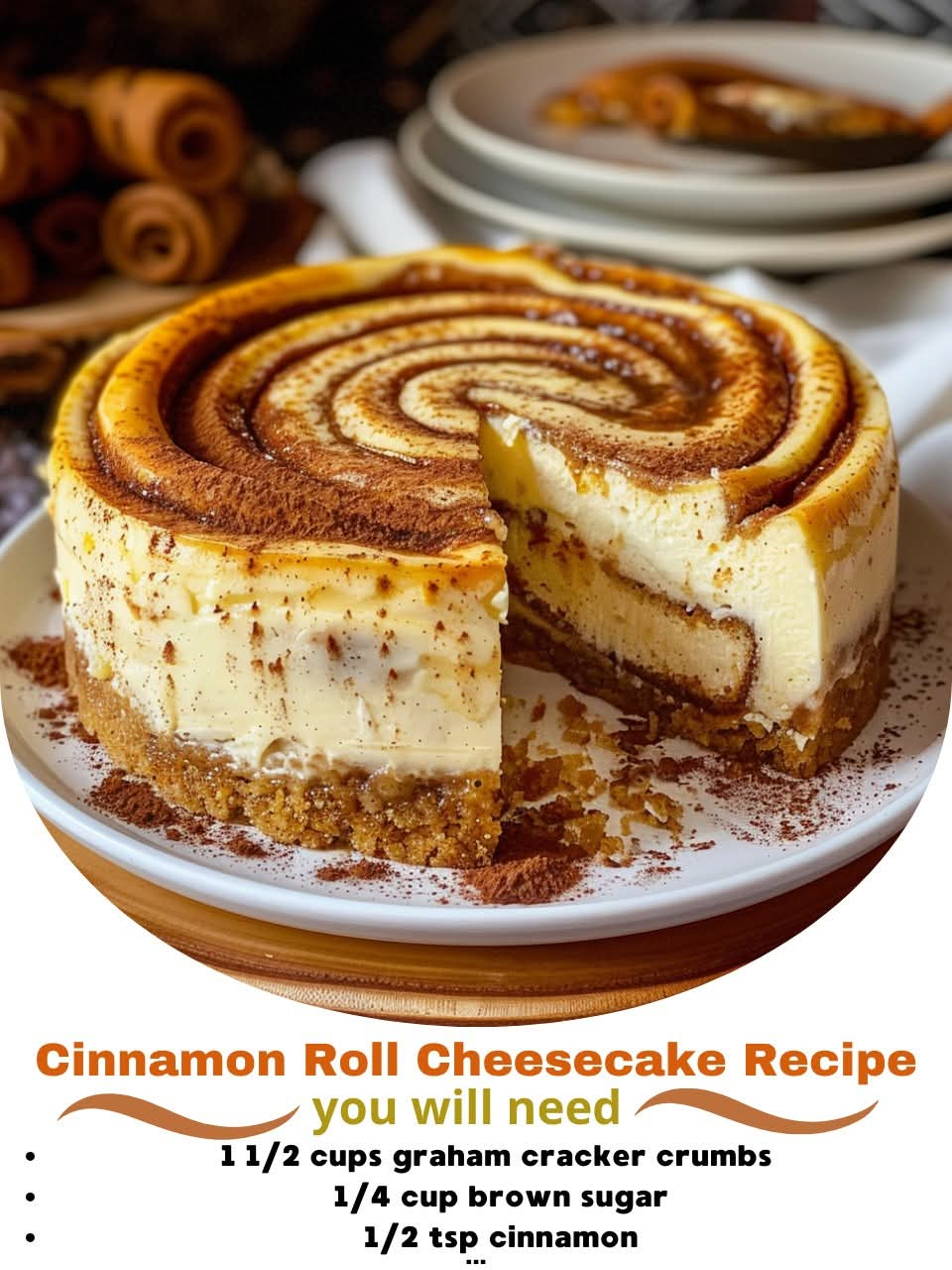
This cinnamon roll cheesecake combines two beloved desserts into one impressive showstopper. Below is a detailed recipe based on a well-regarded baking blog, which walks you through every step from mixing to baking.
Here is a comprehensive overview of the recipe to get you started:
Cinnamon Roll Cheesecake at a Glance
· Prep Time: ~45 minutes
· Bake Time: ~60-75 minutes
· Chill Time: At least 6 hours (overnight is best)
· Total Time: ~8 hours
· Servings: 12-16
· Primary Cooking Method: Baking in a water bath
· Difficulty: Medium (requires precision and patience)
· Key Characteristic: Creamy cheesecake with layered cinnamon-sugar swirls
A Quick History and Appeal of the Dessert
The cinnamon roll has its modern roots in Sweden (known as kanelbullar) and Germany (as schnecken), arriving in North America with immigrants. Here, it evolved into the sweet, frosted treat we know today, popularized by brands like Cinnabon. This cheesecake is a relatively recent fusion dessert, cleverly merging the warm, spiced swirls of a cinnamon roll with the rich, tangy profile of classic New York-style cheesecake. This creative mash-up makes it a perfect dessert for those who can’t choose between the two.
👩🍳 How to Make Cinnamon Roll Cheesecake
Part 1: Graham Cracker Crust
· Ingredients: 1 ½ cups graham cracker crumbs, ¼ cup brown sugar, ½ tsp cinnamon, 6 tbsp melted unsalted butter.
· Instructions: Preheat oven to 325°F (163°C). Mix crumbs, sugar, and cinnamon, then stir in melted butter. Press the mixture firmly into the bottom of a 9-inch springform pan. Bake for 10 minutes. Let cool.
Part 2: Cinnamon Roll Swirl Filling
· Ingredients: 1 cup brown sugar, ⅓ cup all-purpose flour, 1 tbsp ground cinnamon, ⅓ cup melted unsalted butter.
· Instructions: Mix dry ingredients, then stir in melted butter until crumbly. Set aside.
Part 3: Cheesecake Batter
· Ingredients: 32 oz (907g) full-fat cream cheese (room temperature), 1 cup brown sugar, ¼ cup granulated sugar, ½ cup sour cream, 4 large eggs (room temperature), 1 tbsp vanilla extract, ½ tsp salt.
· Instructions: Beat cream cheese until smooth. Add sugars and beat until creamy. Mix in sour cream and vanilla. Add eggs one at a time, mixing just until combined after each. Overmixing at this stage can cause cracks.
Part 4: Assembly, Baking & Final Chill
· Assembly: Pour ⅓ of the batter over the cooled crust. Sprinkle with ⅓ of the cinnamon swirl. Repeat with another ⅓ of batter and another ⅓ of swirl. Top with the final ⅓ of batter, then sprinkle the last of the cinnamon swirl on top, gently swirling it with a knife.
· Water Bath: Tightly wrap the springform pan in heavy-duty aluminum foil. Place it in a large roasting pan, pour hot water into the roasting pan until it reaches halfway up the sides of the springform pan.
· Baking: Bake at 325°F for 60-75 minutes. The center should still jiggle slightly when the pan is gently shaken.
· Cooling: Turn off the oven, crack the door open, and let the cheesecake cool inside for 1 hour. This gradual cooling prevents cracking. Then, refrigerate for at least 6 hours, preferably overnight.
Part 5: Optional Cream Cheese Frosting
· Ingredients: 6 tbsp cream cheese, 1 cup powdered sugar, 1 tsp vanilla extract, 1 cup heavy whipping cream.
· Instructions: Whip the heavy cream to stiff peaks. In another bowl, beat cream cheese, powdered sugar, and vanilla. Gently fold the whipped cream into the cream cheese mixture until smooth. Pipe or spread onto the chilled cheesecake and dust with cinnamon.
💡 Pro Tips for Success
Achieving the perfect creamy texture without cracks requires attention to detail. Here are the most crucial expert tips:
· Room Temperature Ingredients: This is non-negotiable. Cold cream cheese won’t blend smoothly and leads to lumps, while cold eggs can cause overmixing.
· Avoid Overmixing After Adding Eggs: Mix the batter on low speed and only until the eggs are incorporated. Overmixing whips air into the batter, which can cause the cheesecake to puff and then collapse, resulting in cracks.
· Use a Water Bath: The steam from the water bath creates a humid oven environment, which allows the cheesecake to bake gently and evenly. This is the single best technique to prevent a dry texture and surface cracks.
· Gradual Cooling: Don’t take the cheesecake directly from the hot oven to the cold counter. Letting it cool down slowly in the turned-off oven prevents it from sinking and cracking.
📊 Nutrition & Storage
This is a rich, celebratory dessert. Here’s a look at what you’re getting per serving, based on comparable recipes.
Nutritional Snapshot (Approximate per serving)
· Calories: ~450-500 kcal
· Total Fat: ~30-35g
· Saturated Fat: ~18g
· Carbohydrates: ~40-50g
· Sugars: ~35-40g
· Protein: ~6-8g
· Key Notes: Contains significant amounts of dairy and eggs. The high sugar and saturated fat content make it an occasional treat.
Storage Instructions
· Refrigerate: Store covered in the fridge for up to 5 days.
· Freeze: Wrap the whole cheesecake or individual slices tightly in plastic wrap and foil. Freeze for up to 2 months. Thaw overnight in the refrigerator.
🔄 Recipe Variations to Explore
Once you’ve mastered the classic, you can get creative:
· Crust Swap: Use crushed Biscoff cookies or digestive biscuits instead of graham crackers.
· Cinnamon Roll Crust: For a true double cinnamon roll experience, use canned cinnamon roll dough pressed into the pan as the crust (par-bake it first).
· Flavor Twists: Add ½ tsp of ground cardamom to the cinnamon swirl for a Swedish-inspired flavor, or top with caramel sauce or apple pie filling.
This decadent cinnamon roll cheesecake is a labor of love that rewards patience. The blend of tangy, creamy filling with sweet, spiced swirls is unforgettable.
I hope you enjoy baking it! If you’re looking for a smaller or simpler version, I can also help you find recipes for cinnamon swirl cheesecake bars.