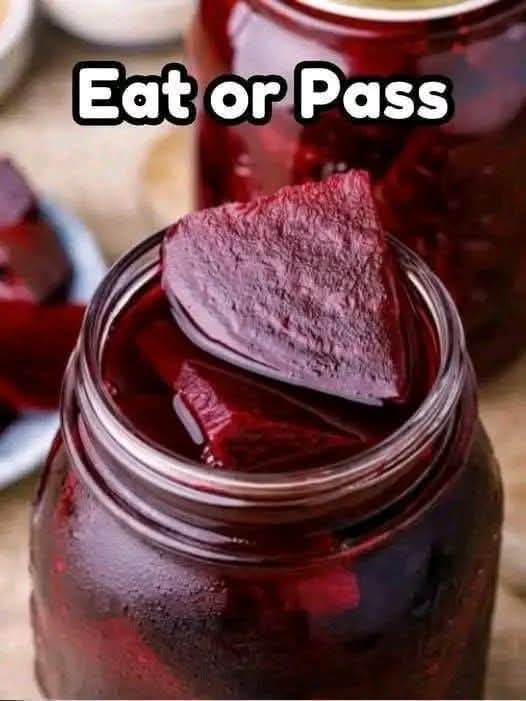
A Timeless Classic: Homestead-Style Pickled Beets
Introduction
Pickled beets are a vibrant, sweet, and tangy preserve that has graced pantries and dinner tables for generations. More than just a condiment, they are a celebration of the humble beetroot, transformed through the alchemy of vinegar, sugar, and spice into a jewel-toned delicacy. This recipe honors the traditional, time-tested method, yielding beets that are perfectly balanced—crisp-tender, richly flavored, and utterly versatile. Whether served as a bright side, a salad topping, or a gift from your kitchen, these pickled beets are a testament to simple, satisfying food preservation.
The History: From Cellar to Global Staple
The practice of pickling beets dates back centuries, rooted in the necessity of preserving the harvest through long winters, particularly in Eastern European and Nordic cultures. Beets, with their hardy nature and long storage life, were a natural candidate. The Victorian era saw them become a formalized “pickle” in England and America, often served alongside cold meats and cheeses. Today, they remain a beloved relic of farmhouse cooking and a gourmet touch in modern cuisine.
Benefits & Nutrition
This recipe isn’t just about delicious flavor; it’s a nourishing choice.
· Beets Themselves: Are a great source of fiber, folate, manganese, and potassium. They contain nitrates, which may help support blood pressure and athletic performance.
· Fermentation-Free Pickling: This vinegar-based method means the beets are ready quickly and retain their antioxidant content, including betalains, which give beets their iconic color and have anti-inflammatory properties.
· Probiotic Potential: If allowed to ferment naturally (a different method), pickled beets can be a source of beneficial bacteria. This recipe is a “quick-pickle,” so for probiotics, look for traditionally fermented versions.
· Low in Fat, Naturally Sweet: They satisfy a sweet tooth with the natural sugars of the beet enhanced just slightly, making them a healthier alternative to many sugary condiments.
—
The Grand Recipe: Homestead Pickled Beets
Ingredients
· 3 lbs (about 8 medium) fresh beets, uniform in size if possible
· 1 ½ cups white vinegar (5% acidity) or apple cider vinegar for a fruitier note
· ¾ cup granulated sugar
· ½ cup water
· 1 ½ teaspoons whole cloves
· 1 ½ teaspoons whole allspice
· 1 cinnamon stick (optional, but recommended)
· 1 teaspoon canning or pickling salt (optional, enhances flavor and preservation)
· 1 medium onion, thinly sliced into rings (optional, classic addition)
Equipment
· Large pot for boiling beets
· Medium saucepan for brine
· Canning jars (pint or quart) with lids and bands
· Jar lifter
· Large bowl or clean sink of ice water
· Cheesecloth and kitchen string (or a stainless steel tea infuser) for spice bag
—
Methods & Instructions
Part 1: Preparing the Beets
1. Trim & Cook: Leave 1 inch of stem and the root tail on each beet to prevent color “bleeding.” Scrub thoroughly. Place beets in a large pot, cover with water, and bring to a boil. Reduce heat, cover, and simmer for 35-60 minutes until just tender when pierced with a fork.
2. Cool & Peel: Drain the hot water and immediately transfer beets to a bowl of ice water. Once cool enough to handle, slip off the skins by rubbing them—they should peel away easily. Trim remaining stems and roots. Slice into ¼-inch rounds, cubes, or wedges.
Part 2: Creating the Spiced Brine
1. Make a Spice Bag: Place whole cloves and allspice (and any other whole spices like peppercorns) in a small square of cheesecloth. Tie securely with string.
2. Combine & Simmer: In the medium saucepan, combine vinegar, sugar, water, the spice bag, cinnamon stick, and salt (if using). Bring to a boil over medium-high heat, stirring until sugar dissolves. Reduce heat, cover, and simmer gently for 15 minutes to infuse the spices. Remove from heat.
Part 3: Jar Assembly & Processing (For Shelf-Stable Preservation)
1. Pack Jars: Pack sliced, peeled beets (and onion rings, if using) tightly into clean, hot canning jars, leaving ½-inch headspace.
2. Add Brine: Ladle the hot pickling brine over the beets, ensuring the spice bag and cinnamon stick are removed. Maintain the ½-inch headspace. Run a clean knife or bubble remover around the inside of the jar to release air bubbles.
3. Seal & Process: Wipe jar rims clean. Place lids on and screw bands on until fingertip-tight. Process in a boiling water bath for 30 minutes (adjust time for altitude).
4. Cool & Store: Carefully remove jars and let them cool, undisturbed, for 12-24 hours. Check seals. Store in a cool, dark place for up to 1 year. Unopened jars must seal properly for shelf storage.
Refrigerator Method (Quick & Easy):
Skip the canning pot. After packing jars with beets and brine, let them cool to room temperature on the counter. Then, simply place lids on and store immediately in the refrigerator. They will be ready to eat in 24-48 hours and keep for 2-3 months.
—
Formation & Flavor Development
The magic of pickling happens over time. During the first 1-2 weeks, the brine penetrates the beet cells in a process called diffusion and osmosis. The acetic acid from the vinegar firms the pectin (texture), while the sugar and spices slowly migrate into the vegetable. The flavors meld and mellow, transforming from sharp and separate into a harmonious, complex pickle. Patience is rewarded.
For the Pickled Beet Lover: Serving Ideas
· The Classic: Chilled, straight from the jar.
· Salad Star: Tossed into a green salad with goat cheese and walnuts, or as the star of a traditional Harvard beet salad.
· Board Beauty: A essential component of any charcuterie or cheese board, pairing wonderfully with sharp cheddar, creamy brie, and cured meats.
· Sandwich & Burger Upgrade: Adds a sweet, acidic crunch to roasted vegetable sandwiches or gourmet burgers.
· Potato’s Best Friend: Chopped and mixed into potato or egg salad.
· Festive Touch: A traditional side for holiday ham or Easter dinner.
Conclusion
This recipe for pickled beets is more than a set of instructions—it’s a connection to culinary heritage, a simple science project, and a gift of the garden. The process of transforming earthy roots into glossy, crimson gems is deeply satisfying. The result is a versatile, nutritious, and stunning preserve that brings a burst of color and balanced flavor to any meal. It’s a timeless technique that turns abundance into enjoyment, stretching the seasons and delighting the senses.
Final Note on Nutrition & Enjoyment
While these pickled beets contain added sugar, it is balanced by the acidity and fiber. Enjoy them as a flavorful condiment or side dish rather than a main component. Their vibrant color, rich history, and unforgettable taste ensure they will continue to be cherished by home cooks and food lovers for generations to come. So, put on an apron, embrace the potential for purple-stained fingers, and create a jar of edible ruby goodness.