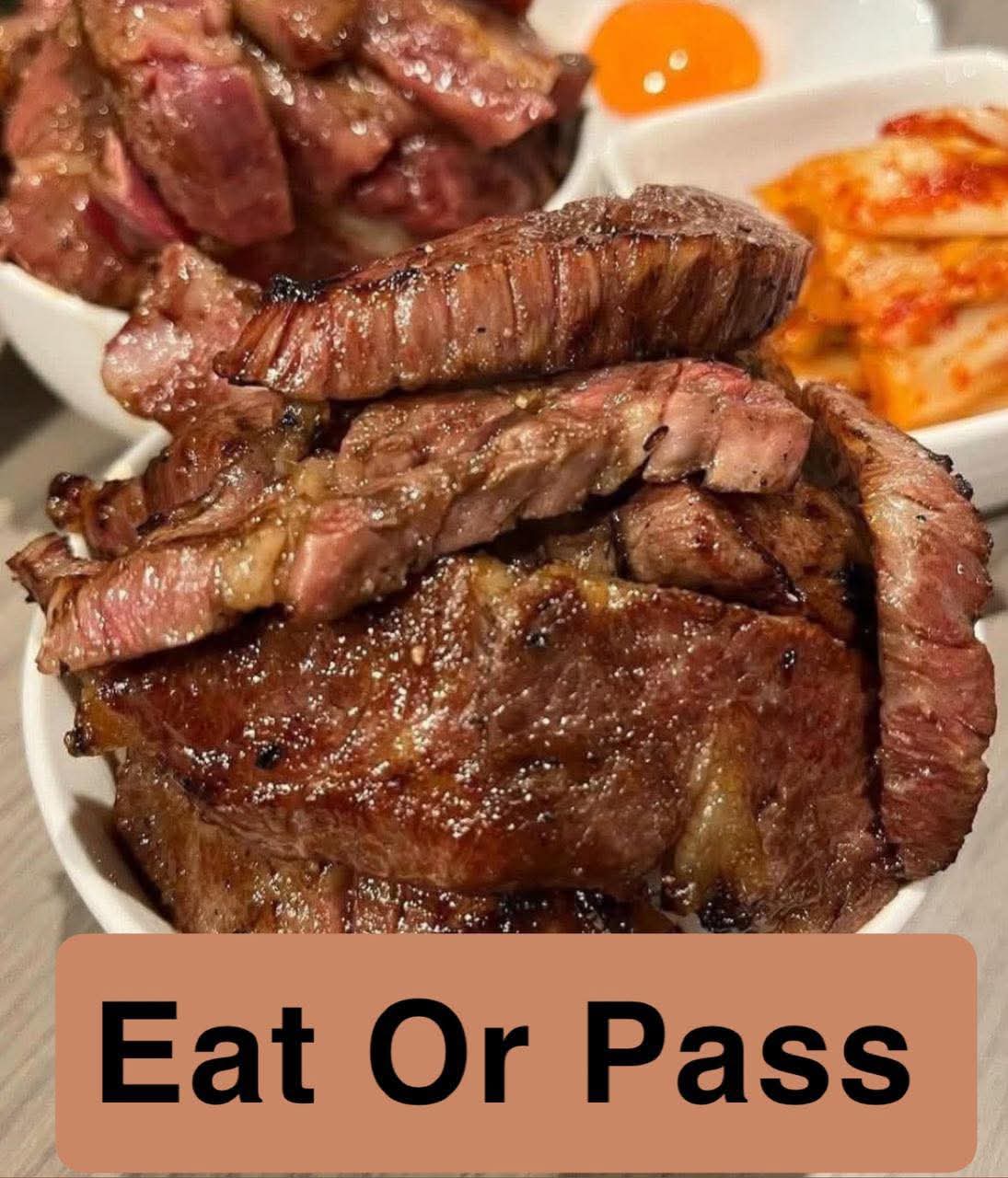
THE ULTIMATE STEAK EXPERIENCE: A CARNIVORE’S DREAM 🥩😍😋
Yes, we absolutely EAT BEST STEAK here! Steak isn’t just food—it’s a celebration of flavor, tradition, and culinary artistry. This guide will take you from selecting the perfect cut to serving a restaurant-quality masterpiece at home.
—
📜 INTRODUCTION
A perfectly cooked steak is a symphony of taste and texture—a seared, caramelized crust giving way to a tender, juicy interior. While seemingly simple, mastering steak requires understanding technique, timing, and quality ingredients. This comprehensive guide covers everything from history to nutrition, ensuring you become a steak connoisseur.
—
🛒 INGREDIENTS
Primary Ingredients:
· 2 lbs (900g) New York Strip Steaks (2 steaks, 1″ to 1¼” thick)
Alternatives: Ribeye (rich, marbled), Top Sirloin (lean, beefy), or Filet Mignon (tender, mild)
· 1½ tsp kosher salt (or sea salt)
· 1 tsp freshly ground black pepper
· ½ Tbsp high-heat cooking oil (vegetable, canola, grapeseed, or avocado oil)
Optional Enhancements:
· 3 Tbsp unsalted butter
· 4 garlic cloves, lightly crushed
· 3–4 fresh thyme or rosemary sprigs
· ¼ cup red wine or beef broth (for pan sauce)
—
🍳 INSTRUCTIONS & METHODS
Method 1: Pan-Seared (Classic Restaurant Style)
1. Bring to Room Temperature: Remove steaks from fridge 30–45 minutes before cooking.
2. Pat Dry: Use paper towels to thoroughly dry surfaces—this ensures a proper sear.
3. Season Generously: Coat both sides evenly with salt and pepper, pressing gently.
4. Heat the Pan: Place a heavy skillet (cast iron or stainless steel) over high heat for 3–4 minutes until very hot.
5. Add Oil: Pour oil and swirl to coat.
6. Sear Steaks: Place steaks in pan. Cook undisturbed for 4–5 minutes until a deep brown crust forms.
7. Flip and Cook: Turn steaks. Add butter, garlic, and herbs. Spoon melted butter over steaks continuously for 2–4 minutes (for medium-rare).
8. Check Temperature: Use a meat thermometer:
· Rare: 120–125°F (49–52°C)
· Medium-rare: 130–135°F (54–57°C) ← Recommended
· Medium: 140–145°F (60–63°C)
· Well-done: 160°F+ (71°C+)
9. Rest: Transfer steaks to a warm plate, tent loosely with foil, and rest for 5–10 minutes.
Method 2: Reverse Sear (For Thick Cuts)
1. Preheat oven to 275°F (135°C).
2. Season steaks and place on a rack over a baking sheet.
3. Bake until internal temperature reaches 110–115°F (43–46°C), about 20–30 minutes.
4. Sear in a smoking-hot skillet with oil for 1–2 minutes per side.
5. Rest and serve.
Method 3: Grilling (Outdoor Charred Perfection)
1. Preheat grill to high (450–500°F / 230–260°C).
2. Clean and oil grates.
3. Grill steaks 4–5 minutes per side with lid closed.
4. Use two-zone cooking if available—sear over direct heat, then finish over indirect heat.
—
📜 HISTORY OF STEAK
The word “steak” originates from the Old Norse steik, meaning “to roast on a spit.” While beef consumption dates to prehistoric times, steak as a premium cut gained prominence in 15th-century Europe, especially in England and Italy. The modern steakhouse emerged in 19th-century New York, serving luxurious cuts to industrial barons. Today, steak is globally celebrated, with regional specialties like Argentine asado, Japanese Kobe, and American prime rib.
—
🌟 BENEFITS OF EATING STEAK
1. High-Quality Protein: Builds and repairs muscle tissue.
2. Rich in Nutrients: Contains iron (prevents anemia), zinc (supports immunity), and B vitamins (energy metabolism).
3. Healthy Fats: Grass-fed beef provides omega-3s and conjugated linoleic acid (CLA), linked to heart health.
4. Satiety: High protein and fat promote fullness, aiding weight management.
—
🔬 NUTRITIONAL PROFILE (Per 6 oz Cooked New York Strip)
· Calories: ~350–400
· Protein: 40–45g
· Fat: 20–25g (saturated: 8–10g)
· Iron: 15% DV
· Zinc: 50% DV
· Vitamin B12: 150% DV
Note: Values vary based on trim and cooking method.
—
🎨 FORMATION & SELECTION
· Grading (US): Prime (highest marbling), Choice (excellent), Select (leaner).
· Marbling: Intramuscular fat that melts during cooking, enhancing juiciness and flavor.
· Aging: Dry-aged (concentrated flavor, tender) or wet-aged (milder, economical).
· Source: Grass-fed (leaner, earthy) vs. grain-fed (marbled, buttery).
—
❤️ FOR STEAK LOVERS: PRO TIPS
1. Salt Early: Salt steaks 1–2 hours before cooking to draw out moisture, then reabsorb for seasoned juiciness.
2. Don’t Crowd the Pan: Cook one or two steaks at a time to avoid steaming.
3. Invest in a Thermometer: Guarantees perfect doneness.
4. Slice Against the Grain: Cuts through muscle fibers for maximum tenderness.
5. Pair Thoughtfully: Full-bodied reds (Cabernet Sauvignon, Malbec), roasted vegetables, garlic mashed potatoes, or a crisp Caesar salad.
—
📝 CONCLUSION
Cooking the perfect steak is both science and soul. From selecting a well-marbled cut to mastering the sear, each step builds toward a memorable meal. Whether it’s a weeknight treat or a celebratory feast, a beautifully cooked steak delivers unparalleled satisfaction. So fire up that skillet, pour a glass of red, and savor every juicy bite—you’ve earned it!
—
🥩 STEAK LOVERS’ HALL OF FAME
· Argentina: Asado experts grilling over wood fires.
· Texas: Smoke masters of beef brisket and ribeye.
· Japan: Perfectionists of Wagyu and Teppanyaki.
· France: Classic Steak Frites with Béarnaise sauce.
· Your Kitchen: Where you, armed with this guide, create steak magic.
NOW GO FORTH AND SEAR WITH CONFIDENCE! 🥩🔥😋