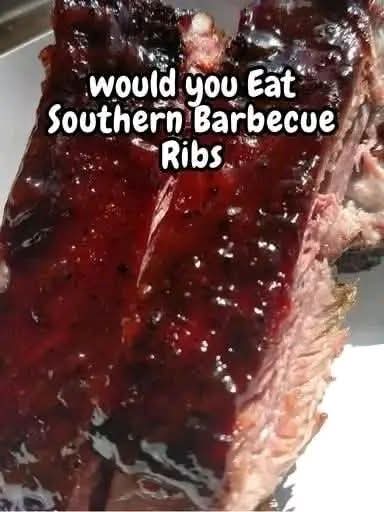
Of course! Here is a comprehensive, detailed recipe and guide for Southern Barbecue Ribs, crafted in the style of a complete culinary resource.
—
Southern Barbecue Ribs: A Journey into Low and Slow Perfection
Southern barbecue is more than a cooking method; it’s a cultural tradition, a patient art form, and a celebration of community. At its heart are pork ribs—transformed through smoke, time, and spice from a simple cut into a succulent, fall-off-the-bone masterpiece. This guide will walk you through creating authentic Southern-style ribs, exploring the history, benefits, and deep satisfaction that comes from this culinary ritual.
A Brief History: From Pit to Plate
The origins of Southern barbecue in the United States are deeply rooted in the Caribbean and the American South, influenced by Indigenous slow-cooking techniques and later, African culinary traditions. “Barbecue” originally referred to the method of cooking meat over an indirect fire, using hardwood smoke for flavor and preservation. Pork became the staple in the Southeastern U.S. due to the proliferation of feral pigs. Ribs, a celebratory yet economical cut, became a centerpiece for gatherings, church socials, and family reunions, embodying the spirit of patience, resourcefulness, and communal sharing.
The Benefits & Philosophy of Low & Slow
· Flavor Development: Slow cooking breaks down tough connective tissues (collagen) into gelatin, resulting in incredible tenderness. The smoke infusion adds a complex, aromatic layer unattainable through quick cooking.
· The Ritual: Barbecuing ribs demands patience and attention. It’s a mindful process that connects the cook to the food, offering a rewarding sense of accomplishment.
· Nutritional Note: While rich and hearty, pork ribs provide essential proteins, vitamins (like B12 and Thiamin), and minerals (like Zinc and Selenium). Using a spice-based rub minimizes added sugars and unhealthy fats compared to store-bought sauces. As with all good things, they are best enjoyed in balance as part of a varied diet.
—
The Complete Recipe: Memphis-Style Dry Rub Ribs
This recipe focuses on a “dry” style, where a flavorful bark formed by the rub is the star, with sauce optionally served on the side—a hallmark of Memphis barbecue.
Ingredients
For the Ribs & Prep:
· 2 full racks (about 4-5 lbs total) of pork baby back ribs or St. Louis-style spare ribs
· 1/4 cup yellow mustard or apple cider vinegar (as a binder for the rub)
· Butcher’s paper or aluminum foil for wrapping
For the Dry Rub:
· 1/4 cup paprika (sweet or smoked)
· 1/4 cup light brown sugar, packed
· 2 tbsp kosher salt
· 1 tbsp freshly cracked black pepper
· 1 tbsp garlic powder
· 1 tbsp onion powder
· 2 tsp chili powder
· 1 tsp cumin powder
· 1 tsp dry mustard powder
· 1/2 tsp cayenne pepper (adjust to taste)
For the Mop Sauce (Optional but Recommended):
· 1 cup apple cider vinegar
· 1/2 cup water
· 1 tsp hot sauce
· 1 tsp Worcestershire sauce
For Serving:
· Your favorite barbecue sauce (on the side for dipping or brushing)
· White bread or Texas toast
· Pickles, sliced onion, and dill pickle spears
· Classic coleslaw
—
Equipment & Methods: The Two Paths to Success
You can achieve excellent results using either a dedicated smoker or a standard home oven/grill.
Method 1: The Traditional Smoker Method (Ideal)
1. Preparation (“The Prep”):
* Remove the thin,papery membrane on the bone side of the ribs. Slip a knife under it, grip with a paper towel, and peel it off. This allows smoke and seasoning to penetrate and makes the ribs more tender.
* Pat ribs dry.Slather lightly with mustard or vinegar to act as a binder.
* Apply the dry rub generously on all sides,massaging it into the meat. Let rest at room temperature for 30-60 minutes.
2. Smoking (“The Smoke”):
* Preheat your smoker to225-250°F (107-121°C). Use indirect heat. Add hardwood chunks or chips (hickory, oak, apple, or pecan are classic choices).
* Place ribs bone-side down on the grate.Close the lid and smoke for 3 hours. Spritz with the mop sauce or apple juice every 45-60 minutes to keep the surface moist.
3. The “Texas Crutch” (“The Wrap”):
* After 3 hours,wrap each rack tightly in butcher paper or foil with a splash of apple juice or vinegar. This steams the ribs, speeding up cooking and ensuring tenderness.
* Return to the smoker for 1.5- 2 hours, until the ribs are probe-tender (a thermometer or toothpick inserts with little resistance).
4. The Set (“The Rest”):
* Remove ribs from the smoker,carefully unwrap (watch for steam!), and let them rest for at least 20-30 minutes before slicing. This allows juices to redistribute.
Method 2: The Oven & Grill Hybrid Method (Excellent for Home Cooks)
1. Prep & Low Oven Cook:
* Prepare ribs with rub as directed above.
* Preheat oven to275°F (135°C). Place ribs on a wire rack set over a foil-lined baking sheet.
* Bake for 2.5- 3 hours, until tender but not falling apart.
2. The Char & Glaze:
* Preheat one side of a grill to medium-high heat.
* Place the oven-cooked ribs on thecool side of the grill. Brush with sauce if desired.
* Close the lid and let them absorb smoke and heat for 15-20 minutes.For a caramelized finish, move them directly over the heat for 1-2 minutes per side, watching carefully to avoid burning.
* Rest for 10 minutes before serving.
—
Formation & Serving: The Grand Finale
Slice the ribs between the bones into individual pieces. Serve on a large platter, often over a layer of white bread (which soaks up the glorious juices). Offer sauce on the side, alongside classic accompaniments: tangy coleslaw to cut the richness, pickles for brightness, and onion for a sharp bite. The combination of the savory, spicy, slightly sweet bark, the rich pork flavor, and the smoky aroma is the hallmark of true Southern barbecue.
For the Rib Lovers: Pro Tips & Variations
· The Bend Test: The best indicator of doneness. Pick up the ribs with tongs from the center—they should bend easily and the bark should just start to crack.
· “3-2-1 Method”: A famous smoker formula for spare ribs: 3 hours smoke, 2 hours wrapped, 1 hour unwrapped and sauced.
· Sauce Variations: Experiment with different regional sauces: a mustard-based Carolina sauce, a tomato-based Kansas City sauce, or a spicy Texas “mop.”
· Wood Choice: Fruit woods (apple, cherry) give a milder, sweeter smoke. Hickory and oak provide a stronger, classic barbecue flavor.
Conclusion: More Than a Meal
Southern barbecue ribs are an experience—a testament to the transformative power of heat, time, and spice. They represent a heritage of gathering, sharing, and savoring life’s simple, profound pleasures. Whether you’re a seasoned pitmaster or a first-time cook, the process of making them is as rewarding as the first perfect bite. So fire up your smoker or oven, gather your friends and family, and participate in a delicious, timeless tradition. The communal joy of sharing a rack of beautifully crafted ribs is, perhaps, the greatest benefit of all.