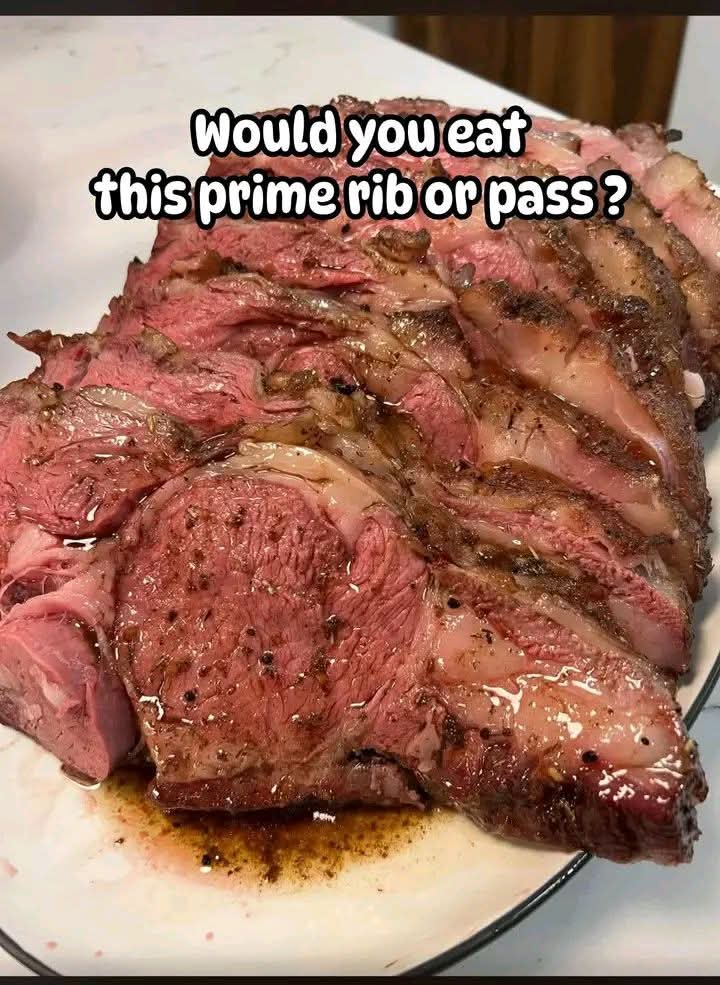
The Quintessential Prime Rib: A Timeless Centerpiece for Weekend Feasts
Introduction
The roasted prime rib is more than just a meal; it is an experience, a celebration of flavor, family, and tradition. Its majestic presence at the table symbolizes warmth, generosity, and the joy of gathering. Perfect for a weekend dinner, this dish promises not just succulent, herb-crusted meat with a perfect pink center, but also the “good vibes” that come from a shared, comforting culinary ritual. This guide will walk you through everything from its regal history to the precise method for achieving perfection.
A Brief History
Prime rib, also known as a standing rib roast, has its roots in English feasting traditions of the 17th century, where large joints of beef were roasted over open fires for festive occasions. It became a hallmark of luxury in American steakhouses in the 20th century, often reserved for holidays and special Sundays. The term “prime” refers to the USDA grade of the beef, but a well-marbled “Choice” grade roast can yield spectacular results.
Why We Love It: Benefits & The Lovers of Prime Rib
Prime rib is beloved by home cooks and chefs alike for its unparalleled flavor and forgiving nature. The generous fat cap and marbling baste the meat from within, resulting in incredible juiciness. It’s a favorite for:
· The Entertainer: Its impressive, crowd-pleasing appearance makes hosting effortless.
· The Flavor Seeker: The combination of savory beef, aromatic herbs, and rendered fat is timeless.
· The Tradition Keeper: It’s the centerpiece of holiday memories and weekend family dinners.
· The Comfort Craver: It delivers deep, satisfying umami and a sense of abundance.
Formation & Cuts
A prime rib roast is carved from the primal rib section of the cow, spanning ribs 6 through 12. A “standing” rib roast has the ribs left intact, forming a natural rack that elevates the meat in the pan. You can purchase it as:
· Bone-In: The classic method. The bones add flavor and act as a natural roasting rack.
· Boneless: Easier to carve, often with the bones tied back on for flavor.
· “Lip-On”: Refers to the fat cap and exterior muscle being left on, which is ideal for seasoning and protection.
For a weekend dinner, a 3-rib roast (about 6-7 pounds) serves 6-8 people perfectly.
—
The Grand Recipe: Herb-Crusted Roasted Prime Rib
Ingredients
For the Prime Rib & Dry Brine:
· 1 (3-rib) standing rib roast, 6-7 lbs, preferably USDA Choice or Prime, “lip-on”
· 2 tablespoons coarse kosher salt
· 1 tablespoon freshly cracked black pepper
For the Herb Crust (Paste):
· 4 tablespoons unsalted butter, softened
· 2 tablespoons Dijon mustard
· 8 cloves garlic, minced
· 2 tablespoons fresh rosemary, finely chopped
· 2 tablespoons fresh thyme, finely chopped
· 1 tablespoon fresh oregano, chopped
· 1 tablespoon coarse sea salt or kosher salt
· 1 teaspoon cracked black pepper
For the Pan & Serving:
· 2 large onions, thickly sliced
· 4 large carrots, cut into 2-inch chunks
· 3 ribs celery, cut into chunks
· 1 cup red wine (Cabernet Sauvignon or Merlot)
· 2 cups beef broth
· 2 tablespoons all-purpose flour (for gravy, optional)
· Fresh horseradish sauce or au jus for serving
—
Instructions & Method
Phase 1: Preparation & Dry Brine (24-48 Hours Before)
1. Pat Dry & Season: Remove the roast from packaging 1-3 days before cooking. Pat it extremely dry with paper towels. Rub the entire surface (top, bottom, sides) with the 2 tablespoons of kosher salt. Place it on a wire rack set over a baking sheet, uncovered, in the refrigerator. This dry-brine draws out moisture, which is then reabsorbed, seasoning the meat deeply and drying the surface for a superior crust.
Phase 2: Bringing to Temperature & Herb Crust
1. Room Temp: Remove the roast from the refrigerator 3-4 hours before cooking. Let it sit on the counter to take the chill off. This ensures even cooking.
2. Prep Oven & Veg: Preheat oven to 450°F (230°C). Arrange the onion, carrot, and celery in the center of a large roasting pan to form a vegetable rack.
3. Make the Paste: In a bowl, mix softened butter, Dijon mustard, minced garlic, chopped herbs, 1 tbsp salt, and 1 tsp pepper into a thick paste.
4. Apply the Crust: Place the roast, fat-side up, on top of the vegetables. Using your hands, slather the entire top and sides of the roast with the herb paste, pressing it into an even, generous layer.
Phase 3: The Two-Stage Roasting Method (Key to Perfection)
1. Initial High-Heat Sear: Place the roasting pan in the preheated 450°F oven. Roast, uncovered, for 20 minutes. This creates the initial flavorful crust.
2. Low & Slow Cook: Without opening the door, reduce the oven temperature to 325°F (165°C). Continue roasting until the internal temperature reaches your desired doneness. Do not rely on time alone; use a meat thermometer.
· For Rare: 115-120°F (46-49°C) before resting.
· For Medium-Rare: 120-125°F (49-52°C) before resting.
· For Medium: 130-135°F (54-57°C) before resting.
· Approximate Time: 15-18 minutes per pound total cooking time after the initial sear.
3. The Rest (CRUCIAL): Once the target temperature is hit, transfer the roast to a clean cutting board. Tent loosely with foil and let it rest for a minimum of 30 minutes, up to 45 minutes for a large roast. The temperature will rise 5-10°F (carryover cooking) and the juices will redistribute.
Phase 4: Gravy & Carving
1. Make the Pan Gravy: While the meat rests, place the roasting pan with vegetables and drippings over medium heat on the stovetop. Sprinkle in 2 tbsp flour and cook for 1 minute, stirring. Deglaze with red wine, scraping up all the browned bits. Add beef broth and simmer until slightly thickened. Strain through a sieve, pressing on the vegetables. Season to taste.
2. Carve Like a Pro: For bone-in, slice along the ribs to remove them entirely, then slice the boneless roast against the grain into ½-inch to 1-inch thick slices. Alternatively, slice directly between the ribs for individual bone-in portions.
—
Nutritional Profile (Per 6oz serving of boneless, lean meat)
· Calories: ~350-400
· Protein: ~35g (Excellent source)
· Fat: ~25g (Includes saturated fat and heart-healthy monounsaturated fats like oleic acid)
· Iron: ~15% RDA (Heme iron, highly absorbable)
· Zinc: ~40% RDA (Crucial for immunity)
· Vitamin B12: Over 100% RDA (Essential for nerve function)
· Note: This is a rich, celebratory dish. Balance your plate with plenty of vegetables.
Conclusion: The Culinary Crown Jewel
A perfectly roasted prime rib is the crown jewel of home cooking. It’s a harmonious blend of science (the dry brine, precise temperature control) and soul (the aromatic herbs, the shared anticipation). While the process requires patience and attention, the reward is profound: a majestic, juicy, and flawlessly cooked centerpiece that transcends the ordinary, turning a weekend dinner into a memorable event filled with genuine “good vibes.”
For the True Lovers: Pro-Tips & Final Thoughts
· The Thermostat is Your Best Friend: Invest in a good leave-in probe thermometer for foolproof results.
· Simplicity is Key: Don’t overcrowd the herb crust. Let the beef shine.
· Leftovers are a Gift: Thinly sliced for next-day sandwiches (especially on a toasted roll with horseradish cream) or diced for hearty hash.
· Wine Pairing: A bold Cabernet Sauvignon, a spicy Syrah, or a smooth Malbec will complement the richness beautifully.
Embrace the ritual. Savor the aroma. Gather your people. This is more than dinner—it’s a delicious tradition in the making. 🔥🥩✨