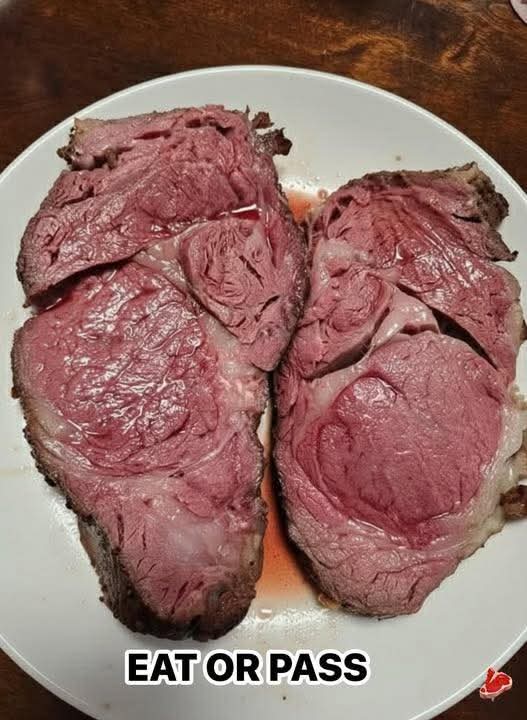
Perfect Prime Rib Roast: A Culinary Classic
Introduction
The prime rib roast is a crown jewel of the holiday table, often the star of family gatherings, special occasions, and celebratory feasts. Known for its rich flavor, tender texture, and impressive presentation, prime rib is one of the most luxurious cuts of beef available. Cooking a perfect prime rib is a delicate art, requiring a balance of seasoning, temperature, and timing.
In this recipe, we’ll explore how to prepare a perfect prime rib roast using a blend of fresh herbs and aromatic spices, resulting in a juicy, flavorful, and beautifully browned roast. Whether you’re serving a small gathering or a large family, this dish is sure to impress.
Ingredients:
- 1 bone-in prime rib roast (about 5-6 lbs)
- 3 tbsp olive oil
- 1 tbsp kosher salt
- 1 tbsp black pepper
- 1 tbsp garlic powder
- 1 tbsp fresh rosemary (finely chopped)
- 1 tbsp thyme (finely chopped)
- 4 cloves garlic (minced)
- Optional: 1 tbsp Dijon mustard for extra flavor and a smooth crust.
History of the Prime Rib Roast
Prime rib, often referred to as a “standing rib roast,” is a classic cut of beef that dates back centuries. Its name comes from its primal location on the cow—coming from the rib section, between the chuck and the loin. This cut is traditionally reserved for special occasions due to its high quality and tenderness.
The term “prime rib” can be misleading, as the roast doesn’t always come from USDA Prime beef, which is the highest quality. However, “prime” refers more to the cut’s premium nature than to its grade. Historically, prime rib has been associated with British royalty and American holiday feasts, often slow-roasted to perfection.
Preparation Method:
- Preheat Your Oven
Preheat your oven to 450°F (230°C). This high temperature will help form a delicious crust on the roast. - Prepare the Herb Rub
In a small bowl, combine olive oil, kosher salt, black pepper, garlic powder, rosemary, thyme, and minced garlic. Stir the mixture until all ingredients are evenly incorporated. This herb-infused rub will not only add flavor but also help seal in the roast’s natural juices. - Apply the Herb Rub
Pat the prime rib roast dry with paper towels to remove any excess moisture. This will help ensure a crisp, golden crust. Rub the olive oil mixture generously over the entire surface of the roast. If you’re using Dijon mustard, rub a thin layer on the meat first, then apply the herb mixture on top. - Searing the Roast (Optional but Recommended)
If you want to achieve an even deeper caramelization, sear the roast. Heat a large, oven-safe skillet over medium-high heat. Add a bit of olive oil, and sear the roast for about 3-4 minutes per side until it’s deeply browned. - Roasting the Prime Rib
Transfer the roast to a roasting pan or continue using the skillet. Place the roast in the preheated oven. For the first 15 minutes, roast at 450°F (230°C) to develop a nice crust. Then reduce the oven temperature to 325°F (165°C) and continue roasting. - Cooking Time
The cooking time varies depending on the size of the roast and your desired doneness. As a general rule, roast the meat for 15-20 minutes per pound for medium-rare (internal temperature of 125-130°F or 52-54°C), or 20-25 minutes per pound for medium (internal temperature of 135°F or 57°C). For a 5-6 lb roast, this means about 1.5 to 2 hours of total roasting time. Always use a meat thermometer to check the internal temperature for accuracy. - Rest the Meat
Once the roast reaches your desired internal temperature, remove it from the oven and cover it loosely with foil. Allow it to rest for 20-30 minutes. This resting period allows the juices to redistribute throughout the meat, making it more tender and flavorful. - Carving
After the roast has rested, carve it between the ribs to serve. Slice it to your preferred thickness, whether it’s thin, medium, or thick slices.
Methods to Achieve a Perfect Prime Rib Roast:
- Searing: A quick sear at the beginning of cooking locks in the juices and flavors.
- Low and Slow: After the initial sear, the low oven temperature helps break down the connective tissues slowly, making the meat melt-in-your-mouth tender.
- Resting: Never skip resting the roast. It allows the juices to settle back into the meat, keeping it moist and succulent.
- Thermometer Use: Investing in a meat thermometer is essential. It guarantees you hit your desired doneness, ensuring the roast is perfect every time.
Formation of the Perfect Prime Rib Roast:
The beauty of the prime rib roast is in the balance of its fat and lean meat. The fat cap on the top adds flavor and juiciness to the meat as it slowly melts during the roasting process. This fat also contributes to the formation of a crispy crust, which is often the most desired part of the roast.
As the roast cooks, the meat forms a deep, rich caramelization on the outside, creating a textural contrast to the tender interior. This perfect formation of crust versus tenderness is what makes prime rib a showstopper at any meal.
Conclusion:
A perfectly cooked prime rib roast is the epitome of luxury and indulgence in the world of beef. By following this recipe, you can achieve a mouthwatering roast with a crispy exterior and a juicy, tender interior. Whether it’s for a holiday meal, a special celebration, or just a treat for loved ones, prime rib offers a level of culinary excellence that is hard to match.
Lovers of Prime Rib Roast:
This recipe is perfect for:
- Holiday Gatherings: Prime rib is often the centerpiece of Christmas, New Year’s, and other festive meals.
- Special Occasions: Birthdays, anniversaries, and celebrations of all kinds are made even more special with this indulgent dish.
- Food Lovers & Beef Enthusiasts: Those who appreciate a juicy, flavorful, and tender piece of meat will savor every bite of this prime rib roast.
Bonus Tips from Lovers of Prime Rib:
- Make Au Jus: Use the drippings from the roast to create a simple au jus. Simply add beef broth to the pan, scraping up the brown bits, and simmer for a few minutes to create a rich, flavorful sauce.
- Roast with Vegetables: To add even more flavor, roast vegetables like carrots, potatoes, and onions in the same pan as the prime rib. The vegetables will absorb the beef drippings, becoming flavorful and tender.
- Prime Rib Sandwiches: Leftover prime rib makes for amazing sandwiches the next day. Just slice the roast thinly and layer it on a bun with a bit of horseradish sauce or melted cheese.
By following these steps and tips, you’ll create a prime rib roast that’s not only delicious but also an unforgettable dining experience.