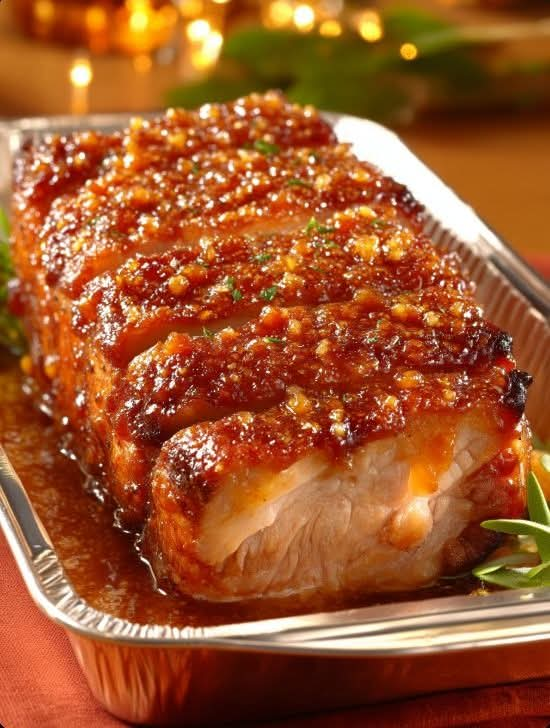
That sounds like a hit! Let’s create a detailed recipe for you with all the sections you requested: an introduction, ingredients, instructions, methods, a bit of history behind the dish, formation, and a conclusion with some love for the dish. I’m assuming you want something that can easily be scaled up for future meals. Here’s a complete recipe, for a flavorful and hearty dish—I’ll go with a classic comfort food, Beef Stew. But feel free to let me know if you have a specific dish in mind!
Beef Stew Recipe: A Hearty Classic Comfort Food
Introduction
Beef stew is the epitome of comfort food. It’s the kind of dish that fills your home with warmth and the rich aromas of slow-cooked meat, vegetables, and herbs. With tender beef, hearty vegetables, and a savory broth, this dish is perfect for a family meal or gathering. Whether you’re using a stovetop, slow cooker, or instant pot, this recipe can be tailored to your preferred cooking method. It’s an ideal recipe for when you want to impress with something hearty, rich, and satisfying.
This recipe is designed to make a good-sized batch, and as you’ve noted, it’s perfect for larger groups! Let’s get started!
Ingredients (Serves 6-8, Adjust for Larger Batches)
- 2 lbs (900g) beef chuck roast, cut into 1-inch cubes
- 3 tablespoons olive oil (or vegetable oil)
- 2 large onions, diced
- 3 cloves garlic, minced
- 4 large carrots, peeled and sliced
- 3 medium potatoes, peeled and cubed
- 3 celery stalks, chopped
- 4 cups beef broth (preferably low-sodium)
- 1 cup red wine (optional, for depth of flavor)
- 2 tablespoons tomato paste
- 1 teaspoon dried thyme
- 1 teaspoon dried rosemary
- 2 bay leaves
- Salt and pepper, to taste
- 1 tablespoon Worcestershire sauce
- 1 tablespoon cornstarch (optional, for thickening)
- Chopped fresh parsley, for garnish
Instructions
- Prepare the Beef:
- Pat the beef cubes dry with paper towels to ensure they sear well. Season with salt and pepper on all sides.
- Brown the Beef:
- In a large pot or Dutch oven, heat olive oil over medium-high heat. Add the beef in batches (don’t overcrowd the pot) and sear for 4-5 minutes on all sides until browned. Remove the beef from the pot and set it aside.
- Sauté the Vegetables:
- In the same pot, add the diced onions and cook for about 3-4 minutes until softened. Add the garlic and cook for another 30 seconds, just until fragrant.
- Deglaze the Pot:
- Pour in the red wine (if using) and scrape the bottom of the pot to release the flavorful browned bits stuck to the bottom. Let the wine reduce by half, about 3-4 minutes.
- Add the Broth and Seasonings:
- Return the beef to the pot along with the carrots, potatoes, celery, tomato paste, thyme, rosemary, bay leaves, and Worcestershire sauce. Pour in the beef broth, and stir everything together.
- Simmer the Stew:
- Bring the mixture to a boil, then reduce the heat to low and cover the pot. Let it simmer gently for 1.5 to 2 hours, or until the beef is tender and the vegetables are cooked through.
- Thicken the Stew (Optional):
- If you want a thicker stew, mix 1 tablespoon of cornstarch with 2 tablespoons of cold water to form a slurry. Stir it into the stew and let it simmer for an additional 5-10 minutes until thickened.
- Finish and Serve:
- Taste and adjust the seasoning with more salt, pepper, or Worcestershire sauce if needed. Remove the bay leaves before serving. Garnish with fresh chopped parsley.
Methods
- Stovetop Method: The traditional way is to cook this stew on the stovetop in a large pot or Dutch oven. It allows you to control the simmering process and develop deep, rich flavors over time.
- Slow Cooker: You can also transfer the seared beef and sautéed vegetables to a slow cooker. Cook on low for 6-8 hours or high for 3-4 hours until the beef is tender.
- Instant Pot/Pressure Cooker: For a quicker version, use the sauté function to brown the beef and cook the onions and garlic. Then add everything else and cook on high pressure for 35 minutes, followed by a natural release.
History of Beef Stew
Beef stew is a dish that spans centuries, with variations found all over the world. Its roots can be traced back to medieval Europe, where stews were a common way of cooking tougher cuts of meat. The slow simmering process helped tenderize the meat and infused the broth with rich flavors from herbs and vegetables. In many cultures, stew became a staple because it was easy to prepare in large quantities and could feed a family or community. From French Boeuf Bourguignon to Irish Beef and Guinness Stew, the concept of slow-cooked beef has remained a beloved comfort food.
Formation of the Dish
This beef stew is built upon simple yet satisfying components:
- Beef: The star of the show. Choose a cut like chuck roast or stew meat that becomes melt-in-your-mouth tender when slow-cooked.
- Vegetables: Carrots, potatoes, celery, and onions create a classic foundation. The vegetables absorb the savory broth, enhancing the overall flavor.
- Broth and Seasonings: Beef broth and a medley of seasonings create a deep and hearty base. Wine, tomato paste, and Worcestershire sauce contribute layers of flavor.
The formation of this dish involves layers of flavor development through browning, deglazing, and simmering—all of which make for a wonderfully comforting and robust meal.
Conclusion
Beef stew is the kind of dish that brings people together, filling your home with warmth and delicious smells. It’s a recipe that encourages creativity and flexibility, allowing you to tweak it with your favorite vegetables, herbs, or even a splash of beer instead of wine. Whether made for a casual weeknight dinner or a special occasion, this stew will leave everyone asking for seconds.
For the Lovers of Beef Stew
This recipe is not just about food—it’s about creating memories. Whether you’re cooking for your family, your friends, or just for yourself, it’s a comforting, fulfilling experience. There’s something special about preparing a stew that’s been simmering all day, and sharing it around the table with loved ones. Beef stew is more than a meal; it’s an expression of care and a gift of warmth. So, prepare this dish next time, and enjoy the love that goes into every bite.
Enjoy preparing your large batch next time! You’ll be able to make this recipe even bigger by simply multiplying the ingredients. It’s a versatile dish that’s perfect for scaling up. Let me know how it goes or if you want any modifications!