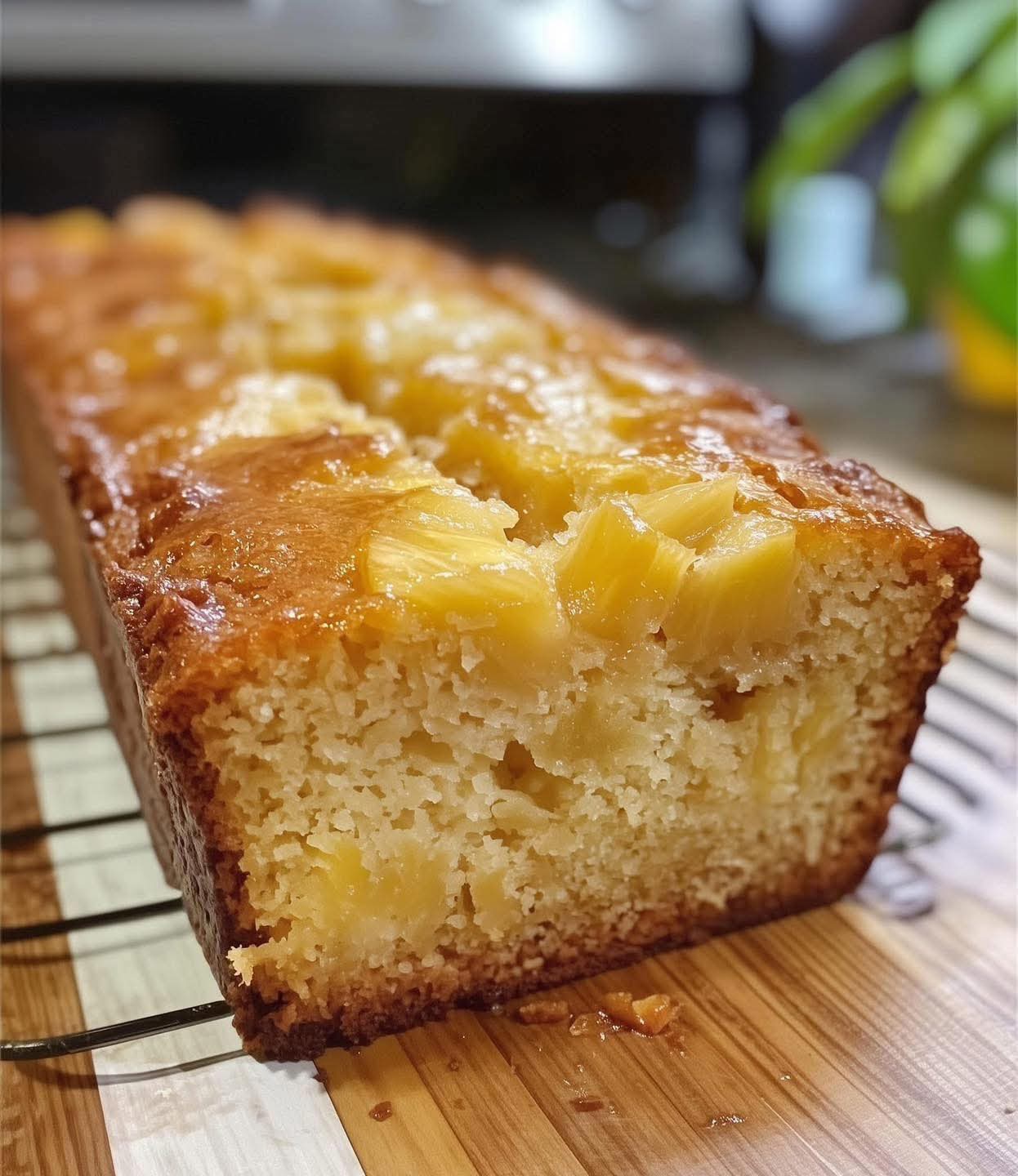
Of course! Here is a complete, large-format recipe built around the sentiment of your nostalgic memory. We’ll imagine it’s for a classic, comforting dish like Grandma’s Southern-Style Chicken and Dumplings.
—
A Bowl of Love: Grandma’s Chicken and Dumplings
Introduction:
There are dishes that feed your body,and then there are dishes that feed your soul. This recipe for Chicken and Dumplings is the latter—a hug in a bowl. It’s the taste of Sunday dinners, of chilly afternoons in a warm kitchen, and of a grandmother’s boundless love. For anyone who has longed for that specific, tender, savory comfort of a childhood favorite, this recipe is a time machine. It’s not fancy, but it is profoundly perfect. Recreating it is an act of love, both for the memory and for those you share it with today.
—
Ingredients
For the Stewed Chicken:
· 1 whole chicken (3-4 lbs), or 2 lbs bone-in, skin-on chicken thighs and breasts
· 3 quarts (12 cups) cold water
· 1 large yellow onion, quartered
· 3 celery stalks, cut into large chunks
· 2 large carrots, cut into large chunks
· 4 cloves garlic, smashed
· 2 bay leaves
· 1 tablespoon black peppercorns
· 1 tablespoon kosher salt
For the Dumplings:
· 2 cups all-purpose flour
· 1 tablespoon baking powder
· 1 teaspoon salt
· 3/4 cup whole milk
· 1/4 cup (4 tablespoons) cold unsalted butter, grated or finely chopped
For the Soup Finish:
· 2 tablespoons unsalted butter
· 2 medium carrots, diced
· 2 celery stalks, diced
· 1 medium onion, diced
· 3 tablespoons all-purpose flour
· 1/4 cup heavy cream or whole milk (optional, for richness)
· 1/2 cup frozen peas
· 2 tablespoons fresh parsley, chopped
· Salt and freshly ground black pepper to taste
—
Instructions & Methods
Part 1: Building the Foundation – The Broth
1. Poach the Chicken: In a large, heavy-bottomed Dutch oven or stockpot, combine the chicken, water, onion, celery, carrots, garlic, bay leaves, peppercorns, and salt. Bring to a gentle boil over medium-high heat.
2. Simmer: Immediately reduce heat to low, cover partially, and simmer gently for 1 to 1.5 hours, until the chicken is falling-off-the-bone tender.
3. Strain and Reserve: Carefully remove the chicken to a large bowl to cool. Strain the broth through a fine-mesh sieve into a clean bowl or large measuring cup. Discard the solids. You should have about 8-10 cups of rich broth. Skim off excess fat if desired (but reserve some for flavor).
4. Shred: Once the chicken is cool enough to handle, shred all the meat, discarding skin and bones.
Part 2: The Heart of the Dish – The Dumplings
1. Mix Dry Ingredients: In a medium bowl, whisk together the flour, baking powder, and salt.
2. Cut in Butter: Add the grated cold butter. Use your fingers or a pastry cutter to work the butter into the flour until the mixture resembles coarse meal.
3. Add Liquid: Make a well in the center and pour in the milk. Stir gently with a fork until just combined and a soft, shaggy dough forms. Do not overmix.
4. Rest: Let the dough rest for 10-15 minutes while you prepare the soup base.
Part 3: Bringing It All Together
1. Sauté Vegetables: In the now-empty Dutch oven, melt 2 tablespoons of butter over medium heat. Add the diced carrots, celery, and onion. Cook, stirring, until softened, about 8-10 minutes.
2. Make a Roux: Sprinkle the 3 tablespoons of flour over the vegetables and cook, stirring constantly, for 2 minutes to cook out the raw flour taste.
3. Create the Soup: Gradually whisk in the reserved chicken broth. Bring to a gentle simmer. The soup will thicken slightly.
4. Cook the Dumplings: Drop tablespoon-sized portions of the dumpling dough into the simmering soup. Do not crowd them. Cover the pot tightly and simmer on low for 15-20 minutes. DO NOT PEEK for the first 15 minutes—this ensures the dumplings steam properly and don’t become gummy.
5. Final Touches: Uncover. Gently stir in the shredded chicken, peas, and optional cream. Heat through for 5 minutes. Taste and season generously with salt and pepper. Stir in fresh parsley.
—
History & Tradition
Chicken and dumplings is a dish born of frugality and ingenuity, with roots in several cultures. Southern U.S. versions likely evolved from British and Irish stews and “doughboys,” adapted by enslaved African cooks who transformed simple ingredients into profound nourishment. It was a way to stretch a single chicken to feed a large family, making a hearty, filling meal where nothing was wasted. The “slick” or flat dumplings (as opposed to fluffy ones) are particularly iconic in the American South, representing a legacy of home-cooked, farmhouse comfort.
—
Nutrition & Benefits
While decadently comforting, this dish offers balanced nutrition:
· High-Quality Protein: Chicken provides essential amino acids for muscle repair and satiety.
· Vital Vegetables: Carrots, celery, and onions offer vitamins A, C, K, and fiber.
· Homemade Broth: Rich in minerals like calcium and magnesium, and contains gelatin, which can support joint and gut health.
· Mindful Cooking: Preparing a meal from scratch allows you to control sodium and avoid preservatives found in canned or frozen versions.
· Soul Food: The emotional and psychological benefits of eating a beloved, nostalgic food are real—it reduces stress and fosters a sense of connection and well-being.
—
For the Lovers of This Dish
This recipe is for you—the memory-keepers and comfort-seekers.
· The Nostalgic: It will transport you back to your grandmother’s kitchen table.
· The Home Cook: It teaches foundational skills: making stock, building flavor, and mastering a simple dough.
· The Comfort Seeker: It’s the ultimate remedy for a bad day, a cold night, or when you just need something that feels like home.
· The Gatherer: It’s a one-pot meal meant to be shared from the center of the table, encouraging stories and togetherness.
—
Conclusion
Grandma’s Chicken and Dumplings is more than a recipe; it’s a legacy. It proves that the most cherished dishes are often the simplest, built on patience, care, and humble ingredients. By taking the time to simmer the broth, hand-make the dumplings, and bring it all together, you’re not just cooking—you’re preserving a story. Each steamy, savory, tender bite is a testament to the fact that the foods we love in childhood never leave us. They become a part of us, waiting for the moment we decide to stir the pot and pass that love on.
“My grandma used to make this all the time but I haven’t had it in years!! I still love it as much as I used to. Will definitely be serving this again!”
And now, you can. Welcome home.