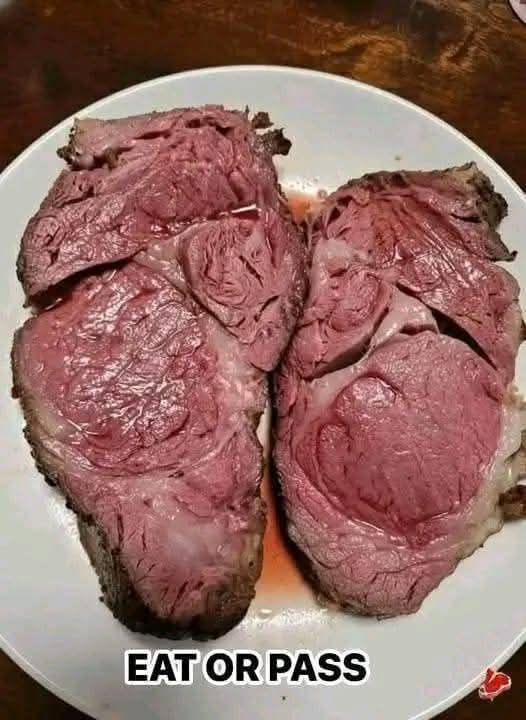
Of course! Here is a comprehensive, full-bodied recipe for Perfect Prime Rib Roast, complete with history, methods, and all the elements you requested.
—
The Crown Jewel of Feasts: A Guide to the Perfect Prime Rib Roast
The prime rib roast, often called a “standing rib roast,” is the undisputed king of holiday tables and celebratory dinners. It is a cut of grandeur, representing abundance, tradition, and culinary mastery. More than just a piece of meat, it is a centerpiece—a beautifully broned, succulent, and flavor-packed masterpiece that commands attention. Cooking a perfect prime rib, with a crisp, herb-flecked crust giving way to a uniform, juicy, pink interior from edge to edge, is a rite of passage for any serious home cook. This guide will walk you through the history, science, and step-by-step artistry of achieving roast beef perfection.
—
Historical Roots & Lore
The tradition of roasting large joints of meat over fire dates back centuries, a symbol of prosperity and communal gathering. The specific cut “prime rib” comes from the primal rib section of the cow (ribs 6 through 12). The term “prime” originally referred to the USDA grade (Prime, Choice, Select), though it’s now often used colloquially for the cut itself, regardless of grade. The “standing” in “standing rib roast” refers to roasting the meat bones-down, using the rib bones as a natural rack. This method was favored in the grand kitchens of English and French estates, eventually becoming the centerpiece of the classic British Sunday roast and the American Christmas dinner.
—
Ingredients & Formation
The Star:
· 1 bone-in standing rib roast (prime rib), about 5–6 lbs (3-4 ribs). Ask your butcher for the “first cut” or “loin end” (ribs 10-12) for more even marbling and larger eye muscles. Have them remove the backbone (chine bone) for easier carving and tie the roast securely between the ribs.
The Simple Flavor Foundation:
· 3 tablespoons high-quality olive oil or softened, unsalted butter
· 1 tablespoon coarse kosher salt (Diamond Crystal is preferred; if using fine sea salt or table salt, use about 1.5 teaspoons)
· 1 tablespoon freshly cracked black pepper
· 4–6 cloves garlic, minced
· 2 tablespoons fresh rosemary, finely chopped
· 2 tablespoons fresh thyme leaves
For the Pan:
· 2 large onions, roughly chopped
· 3 large carrots, roughly chopped
· 3 ribs celery, roughly chopped
· 1 cup red wine, beef broth, or water (for the jus/gravy)
—
The Crucial Method: Reverse Searing
We will employ the “Reverse Sear” method, a modern technique favored by chefs and food scientists. Instead of searing first then roasting, we slowly bring the meat to the desired internal temperature in a low oven, then finish with a blazing-hot sear. This guarantees:
· Perfect edge-to-edge doneness with no gray “overcooked” band.
· A drier surface for a superior, crackling crust.
· Less stress and precise timing, as the slow cook gives you a wide window before the final sear.
—
Step-by-Step Instructions
1. Preparation & Dry Brine (The Day Before/The Morning Of):
· Pat the roast extremely dry with paper towels. This is the single most important step for good browning.
· In a small bowl, combine the salt, pepper, minced garlic, rosemary, and thyme. Rub the roast all over with olive oil, then massage the herb-salt mixture onto every surface, including the bones.
· Place the roast on a wire rack set over a baking sheet, uncovered, in the refrigerator for at least 12 hours, or up to 24 hours. This dry-brine seasons the meat deeply and further dries the surface.
2. Slow Roast to Temperature:
· Remove the roast from the refrigerator 2-3 hours before cooking to take the chill off.
· Preheat your oven to a low 225°F (110°C).
· Scatter the chopped onions, carrots, and celery in the bottom of a heavy roasting pan. Place the roast, bone-side down, on top of the vegetables (they act as a natural rack and flavor base).
· Insert a reliable probe thermometer into the very center of the roast, avoiding fat or bone.
· Slow roast until the internal temperature reaches your desired doneness. This is the only metric that matters.
· 115-118°F (46-48°C) for Very Rare to Rare (for Medium-Rare after sear)
· 120-125°F (49-52°C) for Medium-Rare to Medium (after sear)
· Do not exceed 125°F before searing. The sear will add 10-15 degrees.
· This slow roast will take approximately 3.5 to 4 hours for a 5lb roast. Start checking the temperature after 3 hours.
3. The Blazing Finishing Sear:
· Once the target temperature is hit, carefully remove the roast from the oven. Tent loosely with foil and let it rest while you crank your oven to its highest setting, 500°F (260°C) or use the broiler. Ensure the rack is in the upper-middle position.
· When the oven is screaming hot, return the roast (uncovered) to the oven. Sear for 8-12 minutes, watching closely, until the exterior is deep brown, sizzling, and crisp.
· Remove and let rest again, tented with foil, for at least 20-30 minutes. The internal temperature will continue to rise (carryover cooking) to your final doneness.
4. Make the Simple Jus:
· While the roast rests, make the jus. Place the roasting pan with vegetables over medium heat on the stovetop. Add the red wine or broth, scraping up all the glorious browned bits (fond) with a wooden spoon. Simmer for 5 minutes. Strain into a saucepan, skim excess fat, and season to taste. Keep warm.
5. Carving (For the Lovers of Ritual):
· For lovers of presentation and ease, carve the roast properly. Use a long, sharp carving knife. First, slice along the bones to remove the entire bone section in one piece. Then, turn the roast onto its flat, boneless side and slice across the grain into ¾ to 1-inch thick slabs. Serve each slice with a bone for the enthusiasts.
—
Nutrition & Benefits
Prime rib is a rich source of high-quality protein, iron (heme iron, which is easily absorbed), zinc, selenium, and B-vitamins, particularly B12, which is crucial for nerve function and energy metabolism. It contains healthy fats, including oleic acid (the same found in olive oil), and conjugated linoleic acid (CLA). As with any rich food, it is best enjoyed in moderation as part of a balanced diet. The satisfaction and communal joy it brings also contribute to its place as a celebratory food, feeding both body and spirit.
—
Conclusion: A Dish for Lovers
Perfect prime rib is a dish for lovers—lovers of tradition, of craft, of shared abundance, and of profound flavor. It is for those who appreciate the alchemy of simple ingredients transformed by time and technique into something extraordinary. It is a generous act of cooking, a gift to your guests and yourself. By understanding its history, respecting the science of the reverse sear, and executing with care, you elevate a meal into a memory. The moment you present that majestic roast, slice into its rosy interior, and see the faces around your table light up, you’ll understand why this dish has reigned supreme for generations. It is, quite simply, the perfect feast.
Final Internal Temperature Guide (After Rest & Sear):
· Rare: 120-125°F | Medium Rare: 130-135°F (Ideal) | Medium: 140-145°F
· Serve with classic accompaniments: creamy horseradish sauce, Yorkshire puddings, roasted garlic mashed potatoes, and a bold Cabernet Sauvignon. Enjoy your masterpiece.