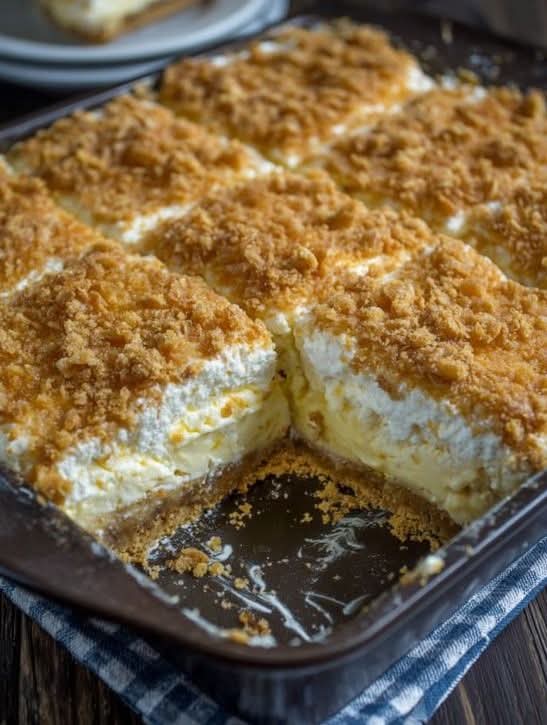
Absolutely! Let’s transform your short description into a full, rich cheesecake recipe with history, method, tips for lovers of cheesecake, and a proper conclusion. I’ll make it detailed and indulgent.
Classic Cheesecake Recipe: A Quiet Little Treat
“This cheesecake feels like a quiet little treat at the end of the day. Cool, light, and easy to enjoy slowly with a fork.”
There’s something magical about cheesecake. With its creamy texture, buttery crust, and delicate sweetness, it’s the kind of dessert that invites you to pause, savor, and enjoy the moment. This recipe is for a classic, New York-style cheesecake that balances richness with lightness—perfect for dessert lovers everywhere.
History of Cheesecake
Cheesecake is one of the oldest desserts in history. The earliest records date back to Ancient Greece, where it was served to athletes during the first Olympic games as a form of energy. Over centuries, it evolved across Europe—particularly in Italy and Germany—before the classic cream cheese version became popular in the United States in the late 19th century. Today, it’s a staple dessert that can be elegant enough for fine dining yet comforting enough for a quiet evening at home.
Ingredients
Crust:
- 1 ½ cups (150 g) graham cracker crumbs (or digestive biscuits)
- ⅓ cup (65 g) granulated sugar
- 6 tbsp (85 g) unsalted butter, melted
Filling:
- 4 packages (32 oz / 900 g) cream cheese, softened
- 1 ¼ cups (250 g) granulated sugar
- 1 tsp pure vanilla extract
- 4 large eggs, room temperature
- 2/3 cup (160 ml) sour cream
- 2/3 cup (160 ml) heavy cream
Optional Topping:
- Fresh berries (strawberries, blueberries, raspberries)
- Fruit compote or chocolate drizzle
Method
1. Preparing the Crust:
- Preheat your oven to 325°F (160°C).
- In a medium bowl, combine graham cracker crumbs, sugar, and melted butter until the mixture is like wet sand.
- Press the mixture firmly into the bottom of a 9-inch (23 cm) springform pan.
- Bake the crust for 10 minutes, then let it cool while preparing the filling.
2. Preparing the Filling:
- In a large bowl, beat the softened cream cheese with sugar and vanilla until smooth and creamy.
- Add eggs one at a time, mixing gently after each addition. Avoid overmixing to prevent cracking.
- Mix in the sour cream and heavy cream until fully combined.
3. Baking the Cheesecake:
- Pour the filling over the cooled crust.
- Place the springform pan in a larger roasting pan and fill the outer pan with hot water halfway up the sides (water bath method helps prevent cracks).
- Bake at 325°F (160°C) for 60–70 minutes, until the edges are set but the center slightly jiggles.
- Turn off the oven and leave the cheesecake inside with the door slightly open for 1 hour to cool gradually.
4. Chilling:
- Remove cheesecake from the water bath and let it cool to room temperature.
- Refrigerate for at least 6 hours, preferably overnight, for best texture.
Serving and Lovers’ Tips
- Cheesecake lovers know that simplicity is elegance. A slice alone, with a cup of coffee or tea, is enough to satisfy.
- Top with fresh fruit or a drizzle of chocolate for added indulgence.
- For a romantic touch, serve with a few berries arranged like hearts or a dusting of powdered sugar.
- When cutting, dip a knife in hot water and wipe between slices to get perfect, clean edges.
Conclusion
This classic cheesecake is more than just dessert—it’s a quiet celebration. Its smooth, creamy texture and subtle sweetness make it perfect for lovers of rich, comforting flavors. Whether enjoyed alone at the end of a long day or shared with friends and family, this cheesecake invites slow, mindful enjoyment.
For those who cherish the art of baking, it’s a creation worth savoring, slice by slice, forkful by forkful.
If you want, I can also add a “romantic lovers’ version” with chocolate swirl and strawberry hearts” to make it feel even more special for couples or celebrations.
Do you want me to create that version too?