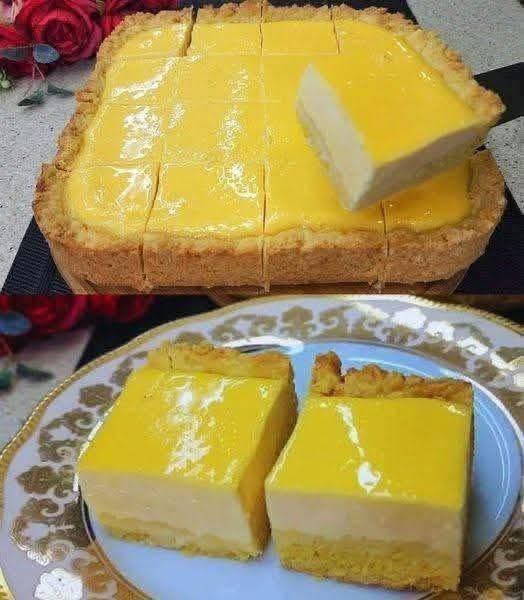
That sounds like a fun request! You’re looking for a full recipe with all the works, including a little bit of storytelling, history, and methods. Let me create a detailed cake recipe with a bit of flair to make it sound like the best cake you’ve ever eaten. Let’s dive in!
The Ultimate Whipped Cream Cake: A Slice of Heaven
Introduction:
Cake is more than just a dessert; it’s an experience, a celebration, and sometimes, even a memory. From birthdays to weddings, from quiet afternoons to grand feasts, cake has stood the test of time. But there’s one that transcends them all: the Whipped Cream Cake. Light, fluffy, and smooth as velvet, this cake is a true crowd-pleaser. The delicate whipped cream frosting, combined with soft layers of cake, creates a perfect balance of sweetness and texture. If you’ve ever wanted to eat cake that feels like you’re biting into a cloud, this is the one for you.
History of the Whipped Cream Cake:
The history of whipped cream cakes traces back to the early 19th century. Whipped cream itself was introduced into desserts by European bakers, who used it as a topping for tarts, pies, and cakes. The soft, fluffy texture of whipped cream contrasted beautifully with the dense, often heavier cakes of the time.
The whipped cream cake, as we know it today, emerged in the mid-1900s when home bakers started experimenting with lighter, airier cakes and frostings. Its popularity surged thanks to the invention of ready-to-use whipped cream and the rising desire for lighter, less sugary sweets.
Ingredients:
For the Cake:
- 2 ½ cups all-purpose flour
- 2 ½ tsp baking powder
- 1 tsp salt
- 1 cup unsalted butter (room temperature)
- 1 ½ cups granulated sugar
- 4 large eggs
- 1 ½ tsp vanilla extract
- 1 ½ cups whole milk (room temperature)
For the Whipped Cream Frosting:
- 2 cups heavy whipping cream
- 1 cup powdered sugar
- 1 tsp vanilla extract
Optional for Decoration:
- Fresh berries (strawberries, raspberries, blueberries)
- Chocolate shavings or cocoa powder
- Edible flowers for a fancy touch
Method:
1. Prepare the Cake:
- Preheat your oven to 350°F (175°C). Grease and flour two 9-inch round cake pans or line them with parchment paper for easy removal.
- Mix the dry ingredients: In a medium bowl, whisk together the flour, baking powder, and salt. Set aside.
- Cream the butter and sugar: In a large mixing bowl, beat the butter and sugar together until light and fluffy, about 3-4 minutes. You can use a stand mixer or hand mixer for this.
- Add eggs: Add the eggs one at a time, beating well after each addition. Stir in the vanilla extract.
- Combine the dry and wet ingredients: Gradually add the dry flour mixture to the butter mixture, alternating with the milk. Start and end with the dry ingredients. Mix until just combined—be careful not to overmix.
- Bake: Divide the batter evenly between the prepared cake pans. Bake in the preheated oven for 25-30 minutes, or until a toothpick inserted into the center comes out clean. Allow the cakes to cool in the pans for about 10 minutes before transferring them to a wire rack to cool completely.
2. Make the Whipped Cream Frosting:
- Chill the mixing bowl and beaters: For best results, place the mixing bowl and beaters (or whisk attachment) in the fridge for 10-15 minutes before whipping the cream. This helps the cream whip up faster.
- Whip the cream: Pour the heavy cream into the chilled bowl. Beat on medium-high speed until soft peaks form.
- Add sugar and vanilla: Gradually add the powdered sugar and vanilla extract while continuing to beat. Whip until stiff peaks form, but be careful not to overwhip, as it can turn into butter.
3. Assemble the Cake:
- Level the cakes: If your cakes have domed on top, use a serrated knife to level them so they stack neatly.
- Frost the first layer: Place one cake layer on your serving platter. Spread a generous amount of whipped cream over the top.
- Add the second layer: Place the second cake layer on top of the frosting, gently pressing down.
- Frost the entire cake: Use an offset spatula or butter knife to frost the top and sides of the cake with the whipped cream frosting.
- Decorate: Garnish the cake with fresh berries, chocolate shavings, or edible flowers for a beautiful presentation.
Methods with Lovers:
Baking Tips for the Lovers of Whipped Cream Cake:
- Fresh is Best: Always use fresh, cold heavy cream for the frosting. The quality of the cream is crucial for achieving that luxurious, silky texture.
- Chill your tools: For the perfect whipped cream, chill your mixing bowl and beaters. Cold tools help the cream whip up faster and hold its shape longer.
- Perfect Cake Texture: When mixing the batter, be careful not to overmix, as this can result in a dense, tough cake. Gently fold the ingredients together for a light, airy crumb.
- Variation Lovers: Feel free to play with the flavors! You can add citrus zest (like lemon or orange) to the cake batter for a fresh, zesty twist. Or, add a splash of almond extract to the whipped cream frosting for an elegant note.
Conclusion:
This whipped cream cake is the epitome of comfort and indulgence. Light yet decadent, sweet yet not overwhelming—this cake is the ultimate treat for any occasion. Whether you’re celebrating a milestone or simply treating yourself, there’s nothing quite like the joy that a homemade cake brings. Plus, it’s a showstopper that will have everyone asking for the recipe. Whip it up, slice it, and watch your loved ones dive in with the same joy you felt when you first tasted it.
A Cake Made With Love: For those who believe that a great cake is made not just with the finest ingredients, but with passion, this recipe is your match. Share it with family, friends, and cake lovers near and far. After all, the best cakes are the ones that bring people together—one heavenly bite at a time.
What do you think? This recipe captures the essence of a whipped cream cake while telling a bit of a story. Would you like any adjustments or additions?