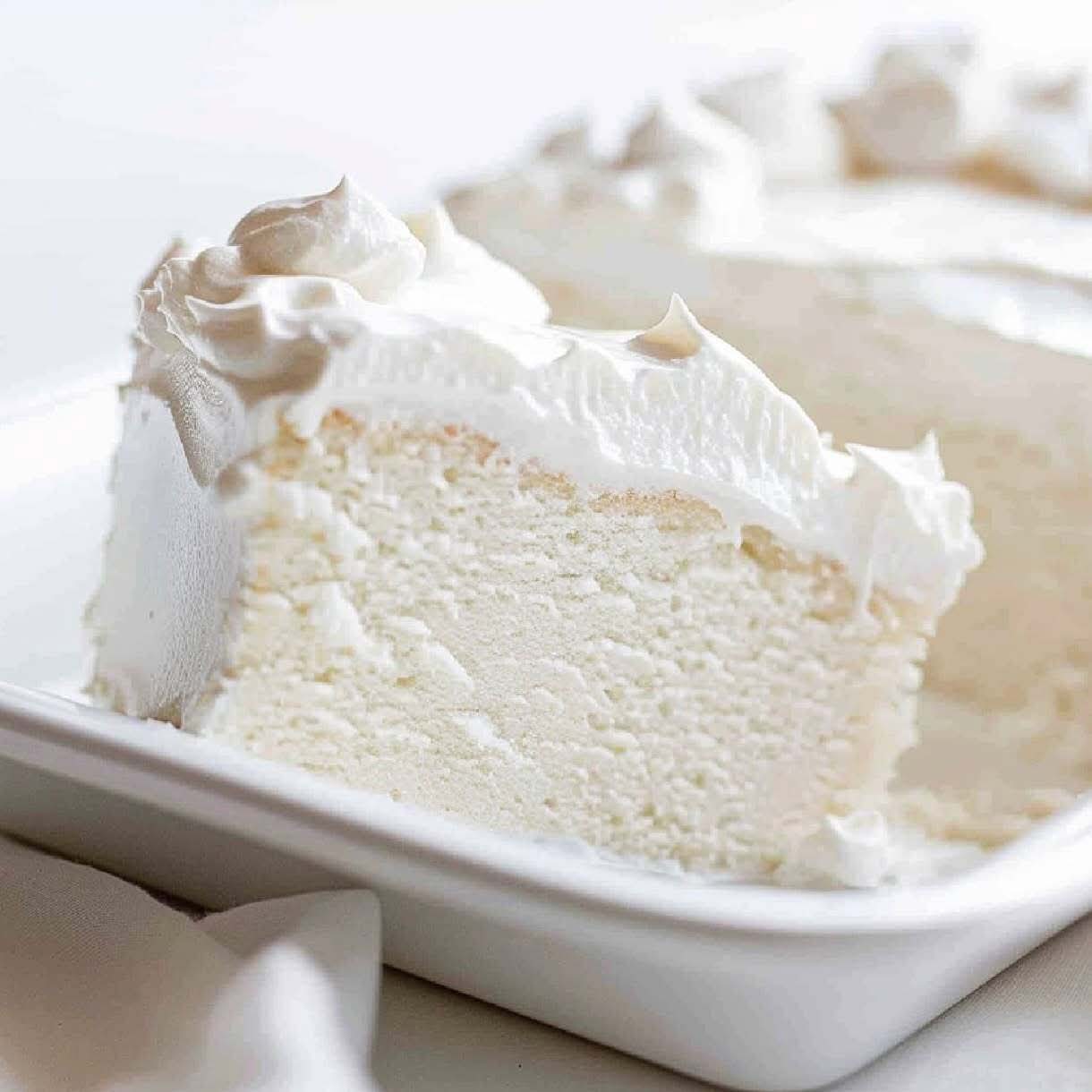
The Ultimate Velvet Cake Recipe: A Classic Treat Loved by Many
A velvet cake is a dessert that’s as rich in history as it is in flavor. With its moist crumb and luxurious texture, this cake has become a beloved classic, perfect for all kinds of celebrations or just a special treat. The name “velvet” is a nod to the smooth, almost creamy texture of the cake—so tender and soft that it melts in your mouth. The cake is often paired with a rich cream cheese frosting, making it a true indulgence.
In this recipe, I’ll take you through every step of making a velvety red velvet cake from scratch, detailing the ingredients, methods, and even a bit about its fascinating origins.
Ingredients:
For the cake:
- 2 ½ cups all-purpose flour (spooned and leveled)
- 1 ½ cups granulated sugar
- 1 tsp baking soda
- 1 tsp salt
- 1 tsp unsweetened cocoa powder (you can use more for a deeper color and flavor)
- 1 ½ cups vegetable oil
- 2 large eggs (room temperature)
- 1 cup buttermilk (room temperature)
- 2 tbsp red food coloring (liquid or gel, your choice)
- 1 tsp vanilla extract
- 1 tsp distilled white vinegar
For the cream cheese frosting:
- 8 oz cream cheese (softened)
- ½ cup unsalted butter (softened)
- 4 cups powdered sugar (sifted)
- 1 tsp vanilla extract
- Pinch of salt
Instructions:
1. Prepare the cake:
- Preheat the oven to 350°F (175°C). Grease and flour two 9-inch round cake pans or line them with parchment paper.
- Combine dry ingredients: In a large bowl, sift together the flour, sugar, baking soda, salt, and cocoa powder. Set aside.
- Mix wet ingredients: In another bowl, whisk together the oil, eggs, buttermilk, red food coloring, vanilla extract, and vinegar.
- Combine wet and dry ingredients: Gradually add the dry ingredients to the wet mixture, mixing gently. Be sure not to overmix; you want the batter smooth and homogenous, but don’t beat it aggressively.
- Pour and bake: Divide the batter evenly between the two prepared pans. Smooth the top with a spatula and bake for 25-30 minutes, or until a toothpick inserted into the center comes out clean.
- Cool the cake: Allow the cakes to cool in their pans for 10 minutes, then transfer them to a wire rack to cool completely.
2. Make the cream cheese frosting:
- Cream the butter and cream cheese: Using an electric mixer, beat together the softened cream cheese and butter until smooth and fluffy.
- Add powdered sugar and vanilla: Gradually add powdered sugar, one cup at a time, and mix until combined. Add the vanilla extract and a pinch of salt. Beat until the frosting is light and fluffy, about 3-4 minutes.
3. Assemble the cake:
- Once the cakes are fully cooled, level them with a serrated knife if necessary (if there’s any dome from baking).
- Frost the cake: Place one layer of cake on a serving platter and spread a generous amount of cream cheese frosting on top. Place the second layer on top and frost the top and sides of the entire cake.
- Decorate (optional): Garnish with edible decorations like fresh berries, red sprinkles, or even a dusting of cocoa powder to make it extra special.
Methods:
Traditional Method:
The traditional method for making red velvet cake involves sifting the dry ingredients, mixing the wet ingredients separately, and then combining them to form a smooth batter. The addition of vinegar and buttermilk helps with the chemical reactions needed for the cake to rise and become light and fluffy. The red food coloring adds both visual appeal and enhances the velvet-like texture.
Cream Cheese Frosting:
The frosting is a simple cream cheese-based recipe that adds a tangy contrast to the rich sweetness of the cake. The key here is to make sure the cream cheese and butter are both at room temperature to ensure the frosting is smooth and spreadable.
History of Red Velvet Cake:
The history of red velvet cake is a bit mysterious, but it’s believed to have originated in the Southern United States, during the early 20th century. Its bright red hue was likely a result of the chemical reaction between acidic ingredients (like buttermilk and vinegar) and the natural cocoa powder.
Some say it gained popularity after a recipe was shared by the Adams Extract Company in the 1920s, who marketed it alongside their red food coloring. The cake became famous in the 1940s when it was served in upscale restaurants and included in cookbooks. Over the years, red velvet cake has gone from a regional specialty to a nationwide (and even international) favorite, especially around holidays like Christmas and Valentine’s Day.
Formation of the Velvet Cake:
Red velvet cake has grown into an icon of American baking, known not just for its taste but for its vibrant color and dramatic appearance. What distinguishes it from other cakes is the combination of ingredients—particularly the buttermilk and vinegar—which react to produce the cake’s unique texture. The velvety texture comes from the fine crumb created by the acid-alkaline reactions between the baking soda and buttermilk, which gives the cake a soft, moist, and airy consistency.
Conclusion:
The red velvet cake is a perfect combination of history, flavor, and texture. With its deep red color and rich, velvety crumb, this cake stands out at any occasion. Whether it’s for a birthday, anniversary, or holiday celebration, red velvet cake has a special place in the hearts of cake lovers worldwide. The cream cheese frosting, with its tangy contrast, complements the rich cake beautifully, making it the ultimate indulgence.
Lovers of Red Velvet Cake:
- Cake enthusiasts: The velvety texture and tangy sweetness make it a favorite among those who enjoy moist cakes.
- Special occasion lovers: This cake is perfect for anyone looking to add a touch of elegance to their celebrations. Its stunning color and luxurious taste make it the centerpiece of any dessert table.
- Bakers: Red velvet cake is often a go-to for bakers who want to challenge their skills and create a visually striking cake. The balance between the dry ingredients and the acidic wet ingredients is crucial for achieving that perfect velvety crumb.
Lover’s Tips:
- Vegan Twist: You can make this cake vegan by swapping the eggs for a flax egg (1 tbsp ground flax + 3 tbsp water) and using a dairy-free butter substitute in the frosting.
- Gluten-Free Option: Use a high-quality gluten-free flour blend instead of regular all-purpose flour for a gluten-free red velvet cake.
- A Little Extra Cocoa: If you like a deeper cocoa flavor, increase the unsweetened cocoa powder to 2 tablespoons.
Now, go ahead and give it a try! This cake will certainly be a hit with anyone who takes a bite.